Allium strictum Care

Allium strictum

About Allium strictum

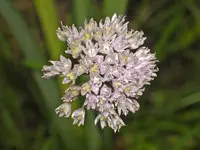
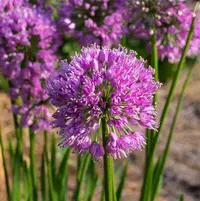
Allium strictum is a hardy, clump-forming wild onion species with slender, hollow leaves and upright stems topped by small, rounded clusters of pink to purple flowers. It has a compact, grass-like look that suits rock gardens and naturalistic plantings.

This species is native to cold and temperate regions of Eurasia, where it grows in open, often rocky or grassy habitats. It is generally robust and long-lived, but needs well-drained soil to avoid bulb rot.

Allium strictum prefers full sun and moderately moist conditions, tolerating poor, mineral soils better than heavy, waterlogged ground. Once established, it is relatively low-maintenance, which makes it easier to care for Allium strictum in suitable climates.


Main Plant Requirements

Care Difficulty

Moderate Care

Light Preference

Full Sun

Water Requirements

Moderate Water

Temperature Preference

Cold Hardy

Hardiness Zone

3–7

Soil Texture

Sandy, Loamy, Rocky

Soil pH

Slightly acidic (6.5–7.0), Neutral (7.0)

Soil Drainage

Well-drained

Fertilization

Minimal (feed rarely)

Get Personalized Care Plan

Scan your plant to receive care tips personalized for your specific plant

Available on iOS and Android

How to Care for the Allium strictum

This hardy bulb favors cool, bright conditions with direct sun for much of the day.

  • Provide 6–8 hours of direct sun, ideally with strong morning sun and lighter afternoon exposure to prevent leaf scorch in hot summers.
  • Allow light partial shade (2–3 hours less sun) in regions with intense afternoon heat; flowering may be slightly reduced but foliage will stay healthier.
  • Protect from deep shade, which leads to weak, elongated stems and fewer blooms; choose an open site with no dense tree canopy when growing Allium strictum.

This species prefers evenly moist but not saturated soil during active growth.

  • Water only when the top 3–5 cm of soil feels dry, then soak the root zone thoroughly and let excess drain away to avoid bulb rot.
  • Reduce watering sharply after flowering as foliage yellows, keeping soil barely moist; keep bulbs almost dry when fully dormant in late summer or early fall.
  • Watch for mushy bulbs, yellowing leaves, or a sour smell as signs of overwatering, and for limp, folding leaves and very dry soil as signs of underwatering; always use sharply drained, gritty soil.

This cold-tolerant allium handles a wide range of outdoor temperatures when planted in the ground.

  • Aim for 55–70°F (13–21°C) during active spring growth, when shoots and flower stalks develop best.
  • Dormant bulbs tolerate cold down to about 0°F (−18°C) with mulch, but prolonged freeze-thaw cycles in wet soil can damage them.
  • The plant copes with summer heat up to about 85–90°F (29–32°C) if soil is well drained and roots are not waterlogged, but foliage may naturally die back and enter dormancy.

This bulb tolerates a wide humidity range and usually does not need special humidity management indoors or outdoors.

  • Aim for 30–60% relative humidity, which matches most heated or air-conditioned homes.
  • Dry air rarely harms Allium strictum if soil moisture is appropriate and roots are not stressed.
  • Suspect humidity issues only if leaves desiccate while soil stays evenly moist, in which case place the pot away from strong hot drafts.

Allium strictum grows best in mineral, free-draining soil that prevents bulbs from staying wet.

  • Use a sandy or gravelly loam with 20–40% coarse mineral material such as sharp sand, grit, or fine gravel to keep pore spaces open.
  • Target slightly alkaline to neutral pH around 7.0–7.5; mix in a small amount of compost if native soil is very poor.
  • Improve drainage and aeration in heavy or clay soil by double-digging and blending in coarse sand plus grit rather than only organic matter.
  • Avoid dense, water-retentive mixes or low spots where water lingers, which promote bulb rot and weak, elongated growth.

This species is suitable for container growing when the pot is set up to keep the bulbs dry between waterings.

  • Choose a pot at least 20–25 cm deep so roots can extend downward while bulbs sit well above the drainage layer.
  • Use a straight-sided or slightly heavy container to prevent tipping if the flower stalks become tall and wind-exposed.
  • Line the bottom with a thin layer of coarse grit above the drainage holes to speed water exit without creating a perched water table.

This hardy bulb from poor soils needs only light feeding in cultivation.

  • Apply a balanced slow-release fertilizer (around 10-10-10) at half strength once in early spring as new growth emerges.
  • Avoid rich compost layers; a thin top-dressing of gritty compost or leaf mold is enough on lean soils.
  • Do not feed during summer dormancy or winter, as Allium strictum rests and excess nutrients can cause bulb rot.
  • In containers, use a low-dose, balanced liquid feed every 4–6 weeks during active growth, well diluted in water.

Pruning needs for this bulb are minimal and mainly hygienic.

  • In late summer or fall, remove yellowed or dead foliage at the base using clean, sharp scissors or hand pruners.
  • Cut spent flower stalks after seed ripens if self-seeding is not desired, to keep clumps tidy.
  • Leave green leaves intact until they naturally wither, so the plant can recharge bulbs for next season.
  • Thin out crowded flowering stems only if they flop, trimming a few at ground level without disturbing bulbs.

This species is usually grown in the ground, with transplanting only needed occasionally.

  • Plan to lift and divide clumps every 3–5 years or when flowering declines and bulbs crowd each other.
  • Transplant in late summer to early fall, after foliage has died back and bulbs are dormant.
  • Loosen soil gently, lift bulbs with a fork, and separate offsets by hand, keeping roots and basal plates intact.
  • Replant bulbs at the same depth in well-drained soil, water lightly, and avoid heavy watering until new roots establish.

Allium strictum is most often multiplied by bulb division, with seed used for larger-scale growing.

  • Divide mature clumps in late summer or early fall when bulbs are dormant and foliage has withered.
  • Gently separate firm, healthy offsets from parent bulbs and replant them at similar depth in free-draining soil.
  • For seeds, sow fresh in fall in trays outdoors or a cold frame, allowing natural winter chilling for germination.
  • Keep the medium just moist, not wet, and expect seedlings to take 2–3 years to reach flowering size.

This cold-hardy bulb normally needs little winter attention in most temperate climates.

  • In the ground, dormant bulbs tolerate freezing temperatures if soil drains well and does not stay waterlogged.
  • In very cold or exposed sites, apply a light mulch layer (straw, leaves, or bark) after the soil has cooled.
  • Move containers into a sheltered, unheated spot to avoid repeated freeze–thaw cycles that can damage bulbs or pots.

Care Tips

Bulb lifting schedule

In colder or poorly drained sites, lift bulbs every 3–4 years right after foliage dies back, dry them in a shaded airy place for 7–10 days, then replant or store them in paper bags in a cool, dry location to maintain vigor and reduce rot risk.

Clump division technique

When flowering becomes sparse, divide crowded clumps in late summer by gently teasing apart offsets, discarding any soft or damaged bulbs, and replanting only firm, healthy bulbs at the original depth to renew the planting.

Targeted weed control

Keep a clear, mulch-free zone of 5–8 cm around each bulb and remove weeds by hand or with a narrow hand fork to prevent competition for nutrients and avoid damaging the shallow root system.

Flower support management

In windy or exposed sites, place low, open ring supports or discreet bamboo canes around emerging stems in early spring so the inflorescences stay upright without constricting or rubbing the stems.

Rotation and sanitation

Avoid replanting bulbs in the same exact spot for more than 4–5 years, and promptly remove any diseased foliage or misshapen bulbs, as this simple rotation and sanitation routine greatly lowers the risk of fungal and nematode problems when growing Allium strictum.

Common Pests and Diseases

Onion thrips

This pest feeds on leaves and flower stalks, causing silvery streaks, tiny black specks, and overall weakening of the plant. Symptoms include distorted growth and reduced flowering, especially in warm, dry weather.

Solution

Inspect foliage and flower stalks regularly and rinse plants with a firm spray of water to dislodge insects. For heavier infestations, use insecticidal soap or a spinosad-based spray, applied in the evening and repeated as needed, and avoid nearby grassy weeds that can host thrips when growing Allium strictum outdoors.

Allium leaf miner

This pest creates winding tunnels and blotches inside leaves and scapes, which may collapse or bend. Larval feeding can weaken bulbs and reduce flowering the following season.

Solution

Remove and destroy affected leaves and flower stalks as soon as damage is seen, and avoid composting infested material. In regions where this insect is present, use fine insect mesh over allium beds during the adult flight periods and rotate planting sites to reduce local build-up.

Downy mildew

This disease produces pale, yellowish patches on leaves that later develop gray-purple fuzzy growth, especially in cool, moist conditions. Affected foliage may collapse early, weakening bulbs and reducing vigor.

Solution

Space plants to improve air movement, water at soil level in the morning, and promptly remove and discard infected leaves. In areas with frequent outbreaks, use a labeled copper or phosphonate fungicide preventively on emerging foliage and avoid overhead irrigation during cool, humid weather.

Botrytis leaf blight

This disease causes elongated, water-soaked or tan lesions on leaves that may coalesce, leading to rapid dieback in wet, crowded plantings. Humid, cool to mild conditions favor the spread of gray mold spores on foliage and flower stalks.

Solution

Clear away dense plant debris around clumps, provide good spacing, and remove symptomatic leaves immediately to reduce spore load. In persistent wet periods, protect susceptible plantings with a labeled fungicide and avoid prolonged leaf wetness by watering at soil level.

Bulb nematodes

These microscopic roundworms invade bulbs and the basal plate, causing swollen, misshapen, or soft tissue and stunted, yellowed shoots. Infested bulbs deteriorate in storage and may introduce the problem into new beds.

Solution

Discard any suspect bulbs rather than replanting, and never store or plant bulbs showing soft spots or unusual swelling. Use clean, certified stock, rotate away from alliums for several years on infested sites, and keep stored bulbs cool, dry, and well ventilated to limit nematode survival and spread.

Interesting Facts

Arctic-steppe specialist

This species naturally occurs in cold, often continental climates from northern Europe across Siberia to parts of Central Asia, typically in dry meadows, rocky slopes, and steppe habitats rather than woodlands.

Onion scent chemistry

Like other wild onions, it releases a noticeable onion or garlic scent when leaves or bulbs are crushed due to sulfur-containing compounds, but its overall size and aroma are usually milder than common culinary onions.

Nodding flower posture

Its pink to lilac bell-shaped flowers are carried on slender stalks that often nod or lean, which may help protect reproductive structures from rain and cold wind in its native open habitats.

Botan icon

Did you know?

Allium strictum has been used as a regional indicator species for cold steppe and tundra–steppe vegetation in parts of its Eurasian range, so its presence can help botanists identify and classify specific grassland and rocky slope community types in ecological surveys.

FAQs about Allium strictum

Lack of flowers often comes from bulbs being too small, overcrowded, or depleted after previous seasons. Excess shade, very dry spring soil, or heavy nitrogen fertilization also reduce flowering. Divide crowded clumps and ensure full sun and moderate nutrition.

Grow Healthy Plants with Botan Care

Keep your plants happy and healthy with plant identification, disease detection, and easy care guidance.

Botan plant care app — identify plants on mobile

Explore More Plants