Prionosciadium thapsoides Care

Prionosciadium thapsoides

About Prionosciadium thapsoides

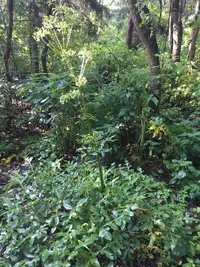
Prionosciadium thapsoides is a herbaceous plant in the carrot family, forming tall, branched stems with divided, fern-like foliage and flat-topped umbels of small flowers. It has a somewhat architectural look when mature, but remains relatively airy and open in structure.

This species is native to parts of Mexico, where it typically grows in open, seasonally dry habitats. It can be challenging outside its natural range because it dislikes heavy, waterlogged soils and strong root disturbance.

Gardeners who want to care for Prionosciadium thapsoides should focus on free-draining soil, moderate moisture, and an open, sunny position that avoids prolonged frost or extreme humidity.

Main Plant Requirements

Care Difficulty

Moderate Care

Light Preference

Partial Shade

Water Requirements

Moderate Water

Temperature Preference

Warm Climate

Hardiness Zone

Unknown

Soil Texture

Loamy

Soil pH

Slightly acidic (6.5–7.0)

Soil Drainage

Well-drained

Fertilization

Minimal (feed rarely)

Get Personalized Care Plan

Scan your plant to receive care tips personalized for your specific plant

Available on iOS and Android

How to Care for the Prionosciadium thapsoides

This umbel family perennial prefers bright, open conditions but not harsh, all-day exposure.

  • Provide 6–8 hours of sun, ideally full morning sun with light afternoon shade, especially in hotter regions.
  • Prionosciadium thapsoides tolerates light partial shade, but stems may elongate and flowering can decrease if it receives under 4–5 hours of direct light.
  • Watch for pale, leggy growth as a sign of insufficient light, and for scorched, crisped leaf edges as an indicator of excessive, intense midday sun.

This species prefers evenly moist but well-drained soil, without prolonged saturation.

  • Water when the top 3–5 cm of soil feels dry, letting water soak through and drain fully rather than applying frequent light splashes.
  • During active growth in spring and early summer, allow only slight surface drying; in late summer to fall, extend drying a bit deeper to reduce rot risk.
  • Overwatering shows as yellowing, limp foliage and soft roots, while underwatering causes drooping, dull leaves and dry, shrinking soil away from the roots.

This temperate plant handles mild heat and cool weather but is sensitive to hard frost.

  • Aim for active growth in 60–75°F (16–24°C), conditions that support steady foliage and root development.
  • Protect from temperatures below 28°F (-2°C); light frosts may damage leaves, and repeated freezing can kill crowns and fine roots.
  • In hot spells above 86°F (30°C), provide afternoon shade and consistent soil moisture to limit stress, leaf scorch, and premature dieback.

This species tolerates a wide humidity range but benefits from moderately moist air in cultivation.

  • Aim for 40–60% humidity, similar to many temperate homes, avoiding prolonged extremes below 30%.
  • Expect humidity stress as leaf tip browning, crisping edges, or slowed growth during very dry indoor heating periods.
  • Increase humidity locally with grouped plants, a pebble tray with water below (not touching the pot), or a nearby humidifier rather than misting foliage.

Soil should be loose, well-drained, and moderately fertile to support healthy root development.

  • Use a sandy loam with 30–40% coarse sand plus organic matter such as compost to combine drainage with steady moisture retention.
  • In containers, mix roughly 50% peat- or coir-based potting mix, 25% compost, and 25% perlite or fine grit for aeration and rapid drainage.
  • Target a slightly acidic to neutral pH of about 6.0–7.0, avoiding strongly acidic or alkaline substrates that reduce nutrient availability.
  • Avoid heavy clay, compacted ground, or waterlogged sites, which favor root rot and weaken Prionosciadium thapsoides over time.

This species can be grown successfully in containers when given enough depth and sharp drainage.

  • Choose a deep, narrow pot that accommodates its taproot-type growth rather than a shallow, wide container.
  • Select a rigid, heavier material like terracotta or ceramic if plants become tall, to reduce tipping risk in wind.
  • Position the pot slightly raised on feet or bricks so drainage holes stay clear and excess water escapes quickly after rain or irrigation.

This wild umbellifer is adapted to low-nutrient soils, so Prionosciadium thapsoides needs only light, occasional feeding in cultivation.

  • Use a balanced, diluted liquid fertilizer (around 10-10-10 at 1/4–1/2 strength) during active spring–summer growth if foliage looks weak or pale.
  • Apply no more than every 4–6 weeks to avoid excessively lush, floppy growth and root stress.
  • Incorporate a thin layer of compost around the root zone instead of heavy chemical feeding where soils are poor.
  • Stop feeding in late fall and through winter dormancy to allow natural rest and prevent soft, cold-sensitive growth.

Prionosciadium thapsoides needs only light structural pruning to maintain a healthy, open form.

  • Best timing is late winter to very early spring, before vigorous new growth begins.
  • Remove dead, damaged, or rubbing stems first, cutting back cleanly to healthy tissue with sharp, disinfected pruners.
  • Thin congested interior shoots to improve light and air movement, which supports sturdier growth and reduces disease risk.
  • Avoid heavy cutting into older woody sections; maintain the plant’s natural outline with small, well-placed cuts.

This species is more often grown in the ground than in pots, so focus on careful transplanting rather than frequent repotting.

  • Transplant in early spring or early fall, when temperatures are mild and soil is workable.
  • Choose a site with well-drained soil; amend heavy clay with coarse sand or fine gravel to reduce waterlogging risk.
  • Move plants only when necessary, disturbing roots as little as possible and watering thoroughly afterward to settle soil.
  • If container-grown, shift to a slightly larger pot only when roots circle the sides or growth becomes clearly stunted.

Propagation of this species is usually done by seed, and it is considered more specialized than common garden perennials.

  • Collect ripe seeds and sow fresh in fall or late winter, as some may benefit from natural cold stratification outdoors.
  • Use a sharply drained mix, keep evenly moist but not saturated, and provide bright, indirect light for germination.
  • Label sowing containers clearly and allow time, since germination can be slow and uneven in this genus.
  • Seedlings should be pricked out gently once they have several true leaves, minimizing root disturbance during transplanting.

This plant is generally tolerant of cool conditions but benefits from simple winter protection in colder climates.

  • In regions with frost, apply a 5–8 cm mulch layer around the root zone to buffer temperature swings.
  • Avoid waterlogged soil in winter, as cold, saturated conditions increase root rot risk.
  • For container-grown plants in colder zones, move pots to a sheltered, unheated but frost-sheltered area with good light.

Care Tips

Deep rooting space

Use a tall, deep container or raised bed at least 30–40 cm deep so the strong taproot can develop fully and the plant remains stable in wind.

Staking for wind

Install a slim, sturdy stake on the windward side when planting and secure the stem loosely with soft ties to prevent rocking that can damage the root collar.

Targeted slug control

Protect young rosettes from slugs and snails with physical barriers like copper tape or gritty mulch around the crown, as early leaf loss can significantly slow growth.

Seed stratification

Improve germination by cold-stratifying seed for 4–6 weeks at 35–40°F in slightly moist medium before sowing, then sow thinly to avoid overcrowding and damping-off disease.

Biweekly pest scouting

Inspect leaf undersides and stems every 2 weeks for aphids or mite stippling and rinse infestations off with a firm water spray before considering any targeted insecticidal treatment when caring for Prionosciadium thapsoides.

Common Pests and Diseases

Leaf-mining flies

This pest is suspected on umbelliferous plants in the genus due to tunnels or blotches within leaf tissue. Symptoms include winding, pale trails between the leaf surfaces and gradual yellowing of affected areas.

Solution

Remove and destroy mined leaves to break the life cycle and reduce reinfestation. For persistent problems, use sticky traps to monitor adults and apply a targeted insecticidal soap or neem oil spray to young larvae on new foliage, avoiding application during high heat or strong sun.

Aphids

These insects often colonize young stems and flower stalks on umbellifer relatives, sucking sap and excreting sticky honeydew. Symptoms include curled or distorted new growth and the presence of ants tending the colonies.

Solution

Rinse colonies off with a firm stream of water and remove heavily infested stems if possible. If needed, apply insecticidal soap or a light horticultural oil to all leaf surfaces, repeating at 5–7 day intervals until populations are reduced, and avoid excess nitrogen fertilization that encourages soft, aphid-prone growth.

Powdery mildew

This disease can affect foliage and flowering stems in dense plantings, forming white, dusty patches on upper leaf surfaces. Symptoms include dull, mottled leaves that may yellow and decline over time.

Solution

Increase spacing and airflow around plants, irrigate at soil level, and avoid wetting foliage in the evening. Remove heavily infected leaves, and if disease pressure stays high, apply a sulfur or potassium bicarbonate-based fungicide labeled for ornamental umbellifers, following all label directions as part of broader Prionosciadium thapsoides care instructions.

Interesting Facts

Endemic Mexican umbel

This species is native and restricted to central Mexico, where it grows in montane habitats and open woodlands as part of the diverse carrot family (Apiaceae).

Tall taprooted herb

It forms a robust, often tall herb with a pronounced taproot, a feature that helps it access deeper soil moisture in seasonally dry environments.

Distinct umbrella flowers

The plant bears characteristic compound umbels, where many small flowers are grouped into umbrella-like clusters that efficiently attract a wide range of insect pollinators.

FAQs about Prionosciadium thapsoides

This species behaves as a short-lived perennial or biennial. It usually forms foliage in the first season, then flowers and sets seed later. After seeding, individual plants often decline and may die back completely.

Grow Healthy Plants with Botan Care

Keep your plants happy and healthy with plant identification, disease detection, and easy care guidance.

Botan plant care app — identify plants on mobile

Explore More Plants