Cantaloupe Care (Cucumis melo var. flexuosus)

Also known as: melon, musk melon, Armenian Cucumber, Serpent Melon
Cantaloupe

About Cantaloupe

Cantaloupe, Cucumis melo var. flexuosus, is a warm-season vining melon grown for its elongated, often mildly sweet fruits. It belongs to the cucurbit family, the same group as cucumbers and traditional cantaloupes.

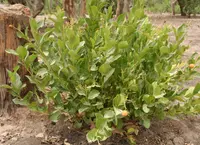
The plant has trailing stems with tendrils, soft green leaves, and small yellow flowers that develop into long, slender melons. It is typically grown in sunny, open ground or raised beds in warm, frost-free climates.

This variety tends to grow quickly and can be productive when given enough heat, light, and space to spread. Good soil drainage and consistent moisture make it easier to care for Cantaloupe, especially for beginners in warm regions.

Main Plant Requirements

Care Difficulty

Moderate Care

Light Preference

Full Sun

Water Requirements

Regular Water

Temperature Preference

Tropical / Frost Sensitive

Hardiness Zone

9–11

Soil Texture

Sandy, Loamy, Organic-rich

Soil pH

Acidic (5.5–6.5), Slightly acidic (6.5–7.0)

Soil Drainage

Moist but well-drained

Fertilization

Moderate (every 2–4 weeks)

Get Personalized Care Plan

Scan your plant to receive care tips personalized for your specific plant

Available on iOS and Android

How to Care for the Cantaloupe

This vining melon thrives in strong, consistent sun during the warm season.

  • Provide 6–8 hours of direct sun daily; full sun is best, especially morning sun with some protection from harsh late-afternoon exposure in very hot regions.
  • It tolerates light partial shade (2–3 hours filtered light), but fruiting and flavor may decline, similar to Cantaloupe grown with insufficient sun.
  • Watch for pale, stretched vines as a sign of low light, and for scorched, crispy leaf edges as a sign of intense, reflected heat.

This plant prefers evenly moist, well-drained soil that never stays soggy for long periods.

  • Water when the top 3–5 cm of soil feels dry, soaking the root zone deeply, then allow excess water to drain away.
  • Use loose, well-draining soil or beds raised enough that water does not pool; standing water around Cucumis melo var. flexuosus encourages root rot and fungal issues.
  • In hot, dry weather, expect more frequent watering and watch for dull, wilting leaves as a sign of thirst, while yellowing, soft stems suggest overwatering.

This warm-season crop needs consistently mild to hot conditions for reliable growth and fruiting.

  • Ideal growing temperatures are 70–90°F (21–32°C); growth slows noticeably below 65°F (18°C).
  • Plant outdoors only after frost risk passes and soil has warmed; it is damaged near 32°F (0°C) and can be killed by light frost.
  • The vines tolerate brief heat up to about 100°F (38°C) if soil moisture is steady, but extended heat with dry soil stresses plants and reduces fruit set.

Humidity is a minor factor for Cucumis melo var. flexuosus, which adapts well to typical outdoor ranges similar to Cantaloupe.

  • Aim for 40–60% humidity; plants tolerate drier air if soil moisture is consistent.
  • Watch for curling leaf edges and slow growth in very dry, hot, windy conditions as signs of humidity stress.
  • Increase local humidity outdoors with organic mulch over the root zone and windbreaks rather than misting foliage.

Cucumis melo var. flexuosus needs loose, well-drained, organically enriched soil to support fast vining growth and fruiting.

  • Use a loamy or sandy loam structure with plenty of organic matter so roots spread easily and oxygen reaches deeper layers.
  • Aim for pH 6.0–7.0, blending garden loam with 30–40% mature compost and 10–20% coarse sand or perlite for drainage.
  • Improve heavy clay by raising the bed 15–20 cm and incorporating coarse sand plus compost to prevent waterlogging around the crown.
  • Avoid compacted, soggy, or saline soils, which encourage root rot and nutrient imbalance and drastically reduce yield.

This species can be grown in containers if the pot is large and managed to support vigorous vines.

  • Choose a container at least 40–50 cm wide and deep to allow extensive rooting and better moisture buffering.
  • Use a heavy or weighted pot, or secure the container, so vigorous vines and supports do not tip the plant in wind.
  • Select a slightly porous material like unglazed terracotta only if you can compensate for faster drying with more frequent watering.

This vining melon benefits from steady nutrition during its warm growing season for strong vegetative growth and fruiting.

  • Apply a balanced soluble fertilizer around 10-10-10 or 15-15-15 at half strength every 10–14 days once vines are 10–15 cm long.
  • Use well-rotted compost or aged manure incorporated into the topsoil before planting for a slow nutrient release.
  • Pause feeding in late fall or once vines decline; Cantaloupe relatives are warm-season annuals and do not need winter fertilization.
  • Avoid overfeeding with nitrogen, which drives excess leaf growth at the expense of flowers and fruits.

Pruning Cucumis melo var. flexuosus helps manage vine length and direct energy into fruit production.

  • Carry out main pruning in early to mid-summer once vines are established and flowering has begun.
  • Use clean, sharp pruning shears to remove weak, damaged, or badly tangled shoots along the runners.
  • Pinch back overly long leading vines to encourage branching and more flowering side shoots.
  • Thin excessive young fruits so remaining ones size up better and reduce strain on the vine.

This plant is usually grown as a seasonal crop and is transplanted outdoors rather than long-term repotted.

  • Start seeds in small cells or pots indoors 3–4 weeks before the last frost, transplanting once roots lightly fill the plug.
  • Move seedlings outdoors after frost risk passes, when nights stay above about 55°F and plants have 2–3 true leaves.
  • Transplant on a cloudy day, handling by the root ball, not the stem, to reduce mechanical stress.
  • Water thoroughly after planting, then keep soil evenly moist for 1–2 weeks to support root establishment and reduce transplant shock.

Cucumis melo var. flexuosus is most commonly propagated from seed as an annual vegetable crop.

  • Sow seeds indoors 3–4 weeks before the last frost or directly outdoors once soil reaches about 65°F.
  • Provide bright light, consistently moist but not waterlogged soil, and 70–80°F temperatures for reliable germination.
  • Plant seeds 1.5–2 cm deep in a loose, well-drained mix, using clean trays or pots to limit damping-off disease.
  • Discard weak seedlings, then transplant only the strongest plants to their final position for better yield and vigor.

This warm-season annual melon does not tolerate frost and does not overwinter in most climates.

  • Expect vines to die back after the first hard frost; plan to replant from seed each year.
  • In short-season areas, grow in raised beds or black plastic mulch to warm soil before and after cool spells.
  • Container plants can be moved into a sheltered, frost-free spot in late fall to extend harvest slightly, but long-term winter survival is unlikely.

Care Tips

Horizontal training

Lay the young vines along the soil surface in a shallow zigzag and lightly pin them down with landscape staples so additional nodes can root and strengthen the plant for heavier yields.


Fruit sling support

When fruits form on trellised vines, cradle each developing fruit in a soft fabric sling tied to the support to prevent stems from snapping under the weight.

Timed side-dressing

Apply a narrow band of balanced granular fertilizer or compost 10–15 cm away from the row just as vines begin to run and again at first flowering to match nutrient supply to peak demand.

Targeted pest scouting

Inspect the undersides of leaves and vine junctions twice weekly for aphids, spider mites, and cucumber beetles, and remove or treat infestations early before they spread along the fast-growing vines.

Mulch and airflow strip

Mulch the bed but keep a 5–8 cm soil strip directly under the stems and crown free of dense mulch to reduce stem rot while still suppressing weeds and stabilizing soil moisture when growing Cantaloupe.

Common Pests and Diseases

Powdery mildew

This disease causes white, powdery patches on leaves, stems, and sometimes fruit, often starting on older foliage in warm, dry conditions with high humidity at night. Symptoms include yellowing, curling, and early leaf drop that can reduce yield and fruit quality.

Solution

Remove heavily infected leaves and plant debris, improve spacing and airflow, and avoid overhead watering, especially late in the day. Use a sulfur, potassium bicarbonate, or biological fungicide labeled for cucurbits at the first signs of infection and rotate planting areas yearly to reduce inoculum in the soil and surrounding area as part of consistent Cucumis melo var. flexuosus plant care.

Downy mildew

This disease shows as yellow angular spots on the upper leaf surface with gray to purple fuzzy growth on the underside, favored by cool, humid, or rainy weather. Symptoms include rapid leaf blighting that can leave vines largely defoliated and fruits exposed to sunscald.

Solution

Remove and destroy infected leaves, water at soil level early in the day, and increase airflow by proper spacing and pruning excess foliage. Apply a copper-based or other labeled downy mildew fungicide preventively or at first symptoms, and practice strict crop rotation, avoiding cucurbits in the same spot for 2–3 years.

Cucumber beetles

These insects chew small holes in leaves, flowers, and young stems, and larvae may feed on roots, weakening vines. This pest also transmits bacterial wilt, which can cause sudden vine collapse even when insect feeding seems moderate.

Solution

Use floating row covers to protect young plants, remove covers at flowering, and handpick beetles in small plantings early in the morning when they are less active. Place yellow sticky traps near plants, keep weeds down around beds, and target adults with a neem-based or other labeled insecticide if monitoring shows sustained high numbers.

Aphids

These insects cluster on young shoots and leaf undersides, sucking sap and causing curling, distortion, and sticky honeydew that can attract sooty mold. This pest also serves as a vector for several mosaic viruses in melons and related crops.

Solution

Spray plants with a firm stream of water to knock off colonies, and encourage beneficial insects such as lady beetles by minimizing broad-spectrum insecticide use. If populations remain high, use insecticidal soap or horticultural oil, ensuring thorough coverage of leaf undersides and repeating as needed according to label directions.

Fusarium wilt

This disease causes one-sided wilting of vines, leaf yellowing starting from the base, and brown discoloration in the vascular tissue when stems are cut open. Symptoms include gradual vine decline, often more severe in warm soils and in repeated melon plantings on the same site.

Solution

Remove and discard infected plants and avoid planting melons or other cucurbits in the same bed for at least 3–4 years. Use resistant or tolerant varieties when available, improve soil drainage and organic matter, and solarize or deeply rotate soil where the disease has been severe to lower pathogen pressure and support healthier growing Cantaloupe.

Interesting Facts

Snake-like growth habit

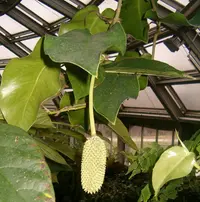
This melon produces very long, narrow, snake-like fruits that can reach over 1 m, reflecting strong apical dominance where the tip of the vine drives elongation with minimal lateral swelling of the fruit.

Harvested immature for flavor

Unlike many melons, its fruits are usually eaten while still immature, when the flesh is crisp and cucumber-like, and they are botanically considered a melon but culinarily treated as a cucumber.

Regional selection diversity

Different landraces from the Middle East and North Africa show noticeable variation in fruit curvature, striping, and surface smoothness, reflecting long-term regional selection by farmers for local taste and appearance preferences.

Botan icon

Did you know?

In traditional agriculture of parts of the Middle East, extremely long and evenly curved fruits of this melon have been prized for display at markets, where size and symmetry can significantly influence their perceived quality and value.

FAQs about Cantaloupe

Yellowing leaves often result from nutrient deficiency, soil staying too wet, or natural aging of older foliage. Check drainage, avoid constant soggy soil, and provide balanced fertilizer. Root damage, pests, or cool temperatures can also slow growth and cause yellowing.

Grow Healthy Plants with Botan Care

Keep your plants happy and healthy with plant identification, disease detection, and easy care guidance.

Botan plant care app — identify plants on mobile

Explore More Plants