Mulch For Roots
Apply a 5–8 cm layer of pine bark or pine needle mulch over the root zone, keeping it 3–5 cm away from stems, to stabilize soil moisture, protect shallow roots, and maintain the acidic conditions preferred by this species.

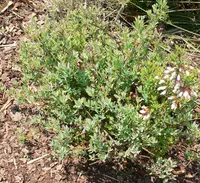
Darrow's blueberry, Vaccinium darrowii, is a compact, evergreen blueberry species native to the sandy pinewoods and scrub habitats of the southeastern United States. It forms low, dense mounds with small, narrow leaves that often show blue-green or reddish tones.
In spring it produces urn-shaped white to pink flowers, followed by small, edible blue berries that attract wildlife. Its naturally dwarf habit and ornamental foliage make it suitable for low hedges, mixed borders, and containers.
This species prefers acidic, well-drained soil, consistent moisture, and full sun to light shade, similar to other blueberries. Once established, it shows good heat tolerance, which simplifies how to care for Darrow's blueberry in warm climates.

Care Difficulty
Moderate Care

Light Preference
Full Sun

Water Requirements
Regular Water

Temperature Preference
Warm Climate

Hardiness Zone
7–9

Soil Texture
Sandy, Loamy, Organic-rich

Soil pH
Strongly acidic (4.5–5.5)

Soil Drainage
Moist but well-drained

Fertilization
Minimal (feed rarely)
Scan your plant to receive care tips personalized for your specific plant
Available on iOS and Android
This lowbush blueberry prefers bright outdoor conditions with several hours of direct sun for good flowering and fruiting.
This shrub prefers evenly moist, acidic, well-drained soil rather than alternating between soggy and very dry conditions.
This species is adapted to warm-temperate climates and handles both summer heat and mild winter cold when established.
This species prefers moderately moist air but usually adapts to typical outdoor humidity.
Vaccinium darrowii needs acidic, well-drained, aerated soil to support healthy roots and fruiting.
This species grows well in containers when given adequate root space and sharp drainage.
This native blueberry needs modest feeding when grown in poor or soilless media but relies mainly on acidic, organic-rich soil.
Vaccinium darrowii responds well to light structural pruning that maintains a compact, productive shrub.
This lowbush blueberry is usually grown in the ground, but container plants or young shrubs sometimes need transplanting.
Vaccinium darrowii is commonly propagated vegetatively to maintain cultivar traits and predictable fruit quality.
This species is relatively cold hardy in suitable climates but benefits from basic winter care, especially in containers.

Plant Health Check
Not sure what's wrong with your plant? Check your plant's health inside the app.
This species is one of the few North American blueberries that stays evergreen to semi-evergreen in mild climates, holding small, leathery leaves year-round rather than dropping them completely in winter.
It is naturally adapted to dry, acidic, sandy soils of the southeastern US sandhills and scrub habitats, tolerating conditions that are too nutrient-poor and drought-prone for many other blueberry species.
Plant breeders have used this species extensively in southern highbush blueberry hybrids to introduce heat tolerance, low chilling requirement, and compact growth suited to warm climates.

In its native range, this shrub often forms low, dense colonies that provide both food and structural cover for small wildlife, making it an important component of southeastern US scrub and pine flatwoods ecosystems.
The fruits are edible and usually safe when ripe and pesticide-free. They are smaller than many commercial blueberries but flavorful and suitable for fresh eating, baking, and preserves. Avoid green, unripe berries, which can cause digestive discomfort.
Keep your plants happy and healthy with plant identification, disease detection, and easy care guidance.