Pineapple Broom Care (Argyrocytisus battandieri)

Pineapple Broom

About Pineapple Broom

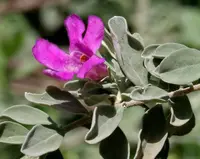
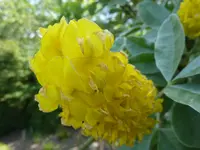
Pineapple broom, Argyrocytisus battandieri, is an evergreen shrub or small tree grown mainly for its upright habit and strongly scented yellow flower spikes. The blooms resemble small pineapples, which gives the plant its common name.

This species comes from the Atlas Mountains of Morocco, where it experiences hot, dry summers and cooler winters with good light. It tends to form an open, architectural shape with silvery, softly hairy leaves.

In suitable climates it is generally robust, provided it has full sun, shelter from harsh winds, and sharply drained soil. Gardeners who understand these basic needs find it relatively straightforward to care for Pineapple Broom.

Main Plant Requirements

Care Difficulty

Moderate Care

Light Preference

Full Sun

Water Requirements

Low Water

Temperature Preference

Cool Climate

Hardiness Zone

7–9

Soil Texture

Sandy, Loamy

Soil pH

Slightly acidic (6.5–7.0), Slightly alkaline (7.0–7.5)

Soil Drainage

Well-drained

Fertilization

Minimal (feed rarely)

Get Personalized Care Plan

Scan your plant to receive care tips personalized for your specific plant

Available on iOS and Android

How to Care for the Pineapple Broom

This shrub prefers bright, open conditions to flower and maintain dense growth.

  • Provide full sun for 6–8 hours daily; morning and midday sun are ideal, while light afternoon shade helps in very hot inland sites.
  • Pineapple Broom tolerates light partial shade, but flowering and compact form decline if it receives less than about 4–5 hours of direct sun.
  • In cooler regions, choose a south- or west-facing position; in hotter climates, protect from reflected heat and scorching from walls or paving.

This drought-tolerant shrub prefers infrequent, deep watering once established.

  • Allow the top 5–8 cm of soil to dry before watering; the surface should feel dry and the soil below just slightly cool, not wet.
  • Use sharply drained soil or a sloped site; persistent wetness, sour smell, or yellowing, soft leaves indicate overwatering and risk of root rot.
  • During the first growing season, water when foliage starts to lose turgor and soil is dry at finger depth; reduce watering further in autumn and winter.

This shrub prefers mild, dry conditions and tolerates moderate cold once established.

  • Optimal growth occurs around 60–75°F (16–24°C), especially in spring and early summer when new shoots and flower buds develop.
  • Mature plants of Argyrocytisus battandieri generally tolerate down to about 15–20°F (-9 to -6°C) if soil drains well; young plants are more frost-sensitive.
  • In hot summers above 90°F (32°C), provide some afternoon shade and avoid reflected heat traps; cold, wet winters are more damaging than dry cold alone.

This shrub is adapted to dry, Mediterranean-type conditions, so indoor humidity control is rarely critical.

  • Target 30–50% humidity, similar to typical heated homes, without extra humidification.
  • Plants tolerate dry air well; do not use trays, pebble baths, or humidifiers for Pineapple Broom.
  • If leaves blacken at the base or stems rot, excess moisture around foliage and soil, not low humidity, is usually the cause.

Argyrocytisus battandieri prefers light, sharply drained soil that prevents waterlogging around its roots.

  • Use a sandy or gritty loam with a loose, crumbly structure to keep roots aerated.
  • Aim for slightly acidic to neutral pH, around 6.0–7.5, which suits most garden and container mixes.
  • Blend roughly 50–60% loam-based mix with 30–40% coarse sand or grit and 10–20% fine gravel or perlite for fast drainage.
  • Avoid heavy clay, high peat content, or compacted beds, which trap water and increase risk of root rot.

This species can be grown in containers, especially in cooler climates or small gardens.

  • Choose a deep, heavy container to stabilize the tall, woody top growth against wind rock.
  • Raise the pot on feet or bricks so drainage holes stay clear and excess water exits quickly after rain or watering.
  • Select a slightly porous material such as unglazed clay to allow slow moisture loss and reduce the chance of root-zone stagnation.

This shrub grows well in lean soils and usually needs only light feeding to support flowering and foliage.

  • Apply a balanced slow-release fertilizer (around 8-8-8 or 10-10-10) once in early spring as new growth begins.
  • Use a modest dose, at 1/2 label strength, especially for container-grown Pineapple Broom to avoid soft, weak growth.
  • Incorporate a thin layer of compost over the root zone in spring to improve soil structure rather than push rapid growth.
  • Stop feeding by late summer and avoid fertilizing in winter when the plant is semi-dormant.

Thoughtful pruning keeps Argyrocytisus battandieri compact, stable, and flowering well.

  • Carry out main pruning just after flowering in late spring or early summer to avoid removing next year’s flower buds.
  • Remove dead, damaged, rubbing, or congested branches with clean, sharp bypass pruners or loppers.
  • Shorten overly long shoots to maintain a balanced framework and prevent the shrub becoming top-heavy or wind-prone.
  • Avoid cutting into very old, leafless wood; focus on younger shoots to encourage healthy regrowth and flower production.

This plant is usually grown in the ground, so focus on careful transplanting rather than frequent repotting.

  • Transplant in early spring or early fall when temperatures are mild and soil is workable, reducing stress on roots.
  • Look for signs such as roots circling a container, water running off quickly, or slow growth before shifting to a larger pot or planting site.
  • Move to a hole or container only 1–2 sizes larger, keeping the rootball intact and setting it at the same soil level.
  • Water thoroughly after planting, then keep soil lightly moist (not waterlogged) for several weeks to support new root establishment.

New plants are most often raised from semi-ripe cuttings, as seed-grown Argyrocytisus battandieri can be variable.

  • Take semi-ripe cuttings in mid to late summer from non-flowering shoots about 8–10 cm long.
  • Remove lower leaves, dip the cut base in rooting hormone, and insert into a free-draining mix of sand and peat-free compost.
  • Provide bright, indirect light, high humidity, and gentle bottom warmth around 68–72°F to encourage rooting.
  • Seed propagation is possible in spring after scarifying and soaking seeds, but plants may not match the parent exactly.

Established plants are moderately cold hardy but benefit from some winter protection in colder regions.

  • Tolerates light frost, but prolonged temperatures below about 10–15°F can damage top growth, especially in exposed sites.
  • Apply a 5–8 cm mulch of bark or compost around the root zone in late fall, keeping it clear of the main stems.
  • In very cold or windy areas, shelter young shrubs with a breathable fleece wrap around the framework.
  • Grow containers in a protected spot and move them into an unheated garage or porch during severe freezes.

Care Tips

Windbreak placement

Site the shrub near a fence, wall, or mixed hedge to give moderate wind shelter, as strong prevailing winds can distort new growth and reduce flowering on this tall, top-heavy plant.

Staged formative pruning

In the first 3–4 years, remove only weak, crossing, or awkwardly placed stems after flowering so the plant builds a strong, open framework before any harder shaping is attempted.

Multi-stem support

For plants grown in exposed or open positions, insert 2–3 discreet stakes around the base and link main stems loosely with soft ties to reduce rocking at the root plate and prevent wind snap.

Flower spike management

On young or recently planted specimens, remove a portion of the first heavy flush of flower spikes after they fade to reduce seed set and help the plant put more energy into root and framework development when growing Pineapple Broom.

Soil surface protection

Maintain a 5–8 cm ring of inert mulch such as gravel or coarse bark around, but not touching, the stem base to reduce weed competition and soil splash without increasing moisture against the crown, which is sensitive to rot.

Common Pests and Diseases

Scale insects

This pest feeds on sap along stems and leaves, causing yellowing, sticky honeydew, and sooty mould growth on pineapple broom foliage.

Solution

Brush or wipe colonies off stems with a cotton pad dipped in diluted alcohol or insecticidal soap, then rinse with water; for heavier infestations on mature shrubs, use a systemic insecticide labeled for ornamental legumes and repeat treatment as needed while also pruning out heavily infested twigs to improve airflow.

Aphids

These insects cluster on young shoots and flower buds, curling new growth and excreting honeydew that can attract sooty mould on Argyrocytisus battandieri.

Solution

Spray affected shoots with a strong jet of water to dislodge colonies, then apply insecticidal soap or a light horticultural oil, repeating every 5–7 days until populations drop, and encourage natural predators such as ladybird beetles by avoiding broad-spectrum insecticides.

Powdery mildew

This disease appears as white, powdery patches on leaves and young stems, which can lead to distortion and premature leaf drop during warm, dry periods with poor air circulation.

Solution

Prune dense, crowded growth to improve airflow, avoid overhead watering, and treat early outbreaks with a fungicide labeled for ornamental shrubs or a sulfur-based product, ensuring thorough coverage of both upper and lower leaf surfaces.

Leaf spot

Symptoms include small brown or purplish spots on foliage that may merge into larger blotches, causing affected leaves on pineapple broom to yellow and fall early in humid or wet conditions.

Solution

Remove and dispose of fallen and heavily spotted leaves, water at the base rather than over foliage, and if spotting progresses, apply a targeted ornamental shrub fungicide according to label directions to protect new growth.

Spider mites

This pest thrives in hot, dry conditions, causing fine stippling, dull foliage, and light webbing on the undersides of leaves, which can reduce vigor in growing Pineapple Broom.

Solution

Increase humidity around the plant slightly, hose down foliage thoroughly (especially leaf undersides), and use insecticidal soap or a specific miticide if populations remain high, repeating applications to target newly hatched mites while monitoring stress from drought or heat.

Interesting Facts

Distinct pineapple scent

The bright yellow flower spikes produce a strong pineapple-like fragrance, which is unusually fruity for a legume shrub and is most noticeable in warm, still weather.

High-altitude origins

This species is native to the Atlas Mountains of Morocco, where it grows on rocky slopes and open hillsides, naturally adapted to intense sun, wind, and relatively poor, well-drained soils.

Nitrogen-fixing shrub

Like many members of the legume family, this plant forms root nodules with symbiotic bacteria that fix atmospheric nitrogen, helping it grow in nutrient-poor conditions and subtly improving surrounding soil over time.
Botan icon

Did you know?

The species was introduced to British horticulture in the early 20th century and quickly gained attention for its unusual combination of silver-grey foliage, tall conical flower spikes, and strong tropical fruit scent, leading to its common name pineapple broom and making it a distinctive feature in mild-climate gardens.

FAQs about Pineapple Broom

Lack of flowers is usually due to insufficient light, heavy or poorly drained soil, excessive nitrogen, or hard pruning at the wrong time. Late frosts can also damage developing buds and greatly reduce flowering in that season.

Grow Healthy Plants with Botan Care

Keep your plants happy and healthy with plant identification, disease detection, and easy care guidance.

Botan plant care app — identify plants on mobile

Explore More Plants