common buckthorn Care (Rhamnus cathartica)

Also known as: purging buckthorn, carolina buckthorn, European buckthorn, European waythorn, Hart's thorn
common buckthorn

About common buckthorn

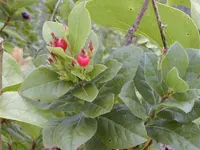
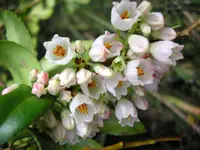
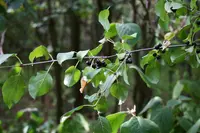
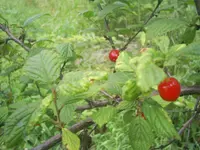
Common buckthorn, Rhamnus cathartica, is a deciduous shrub or small tree known for its dense branching and dark, glossy leaves. It produces small greenish flowers followed by black berry-like fruits.

This species is native to Europe and western Asia but has become widely naturalized and invasive in many parts of North America. It tolerates a wide range of soils and light conditions, which makes it easy to establish but hard to control.

Because it spreads aggressively by seed and root suckers, gardeners are usually advised not to plant it outdoors. Anyone who wants to learn how to care for common buckthorn should first check local regulations and ecological guidelines.

Main Plant Requirements

Care Difficulty

Easy Care

Light Preference

Full Sun

Water Requirements

Low Water

Temperature Preference

Cold Hardy

Hardiness Zone

3–7

Soil Texture

Sandy, Loamy, Clay

Soil pH

Slightly acidic (6.5–7.0), Slightly alkaline (7.0–7.5)

Soil Drainage

Well-drained

Fertilization

Minimal (feed rarely)

Get Personalized Care Plan

Scan your plant to receive care tips personalized for your specific plant

Available on iOS and Android

How to Care for the common buckthorn

This hardy shrub thrives in full sun but also tolerates some shade in many landscapes.

  • Provide 6–8 hours of direct sun daily for densest growth and best fruiting, with morning sun and light afternoon shade ideal in hotter regions.
  • Tolerates partial shade (3–5 hours of direct or strong filtered light), but stems may grow more open and berry production declines in deeper shade.
  • Monitor foliage in summer; pale, weak shoots indicate too little light, while scorched, crispy leaf edges suggest intense afternoon sun exposure for that site.

Rhamnus cathartica prefers moderately moist, well-drained soil once established outdoors.

  • At planting, water deeply, then allow the top 5–8 cm of soil to dry slightly between soakings to encourage a deep root system.
  • In normal rainfall areas, mature plants often need little extra water, except during prolonged drought when leaves begin to droop or curl slightly.
  • Avoid waterlogged sites; yellowing leaves, soft stems, or persistent surface puddles indicate poor drainage and risk of root problems.

This species is a cold-hardy shrub adapted to temperate climates with distinct seasons.

  • Active growth is strongest around 60–75°F (16–24°C), typical of spring and early summer in many temperate regions.
  • Plants tolerate winter lows close to -20°F (-29°C) once established, surviving repeated frosts and snow cover without special protection.
  • Heat tolerance is moderate; in spells above 90°F (32°C), growth may slow and leaves can scorch in exposed sites, especially if soil dries out completely.

Humidity is not a significant factor for Rhamnus cathartica, which adapts well to typical outdoor air conditions.

Rhamnus cathartica tolerates many soils but performs best in structured, moderately fertile ground with reliable drainage.

  • Choose a loamy or sandy-loam soil that is crumbly, not compacted, to let water move through and roots breathe.
  • Aim for slightly acidic to slightly alkaline conditions, roughly pH 6.0–7.8, as common buckthorn is flexible within this range.
  • In heavy clay, work in coarse sand or fine gravel plus compost to improve drainage and aeration before planting.
  • Avoid waterlogged depressions or sites with standing water, which quickly reduce root oxygen and promote rot.

This species is not well suited to long-term container growing due to its vigorous, shrubby root system and invasive behavior.

Rhamnus cathartica usually grows in poor soils without added nutrients, so fertilizing is optional and should stay light.

  • If growth is weak or foliage pale, apply a balanced NPK fertilizer at 1/2 strength once in early spring.
  • Alternatively, top-dress with a thin layer of well-rotted compost around the root zone in spring.
  • In mid-summer, a single application of slow-release granules can support new growth without overfeeding.
  • Do not fertilize in late fall or winter, when the plant is dormant.

Pruning Rhamnus cathartica focuses on controlling size and removing problem wood rather than encouraging flowering.

  • Carry out main pruning in late winter or very early spring before new growth starts.
  • Remove dead, diseased, crossing, or inward-growing branches with clean bypass pruners or a sharp pruning saw.
  • Thin crowded stems to open the canopy, improve light penetration, and maintain a manageable outline.
  • Avoid cutting back to stubs; instead, prune to a side branch or bud to direct new growth.

Common buckthorn is usually grown in the ground, so care centers on timely transplanting rather than container repotting.

  • Transplant young plants in early spring or fall, when soil is moist and temperatures are mild.
  • Look for signs such as roots circling the pot, soil drying very fast, or stunted shoots to decide on moving container plants.
  • Shift to a hole or container 1–2 sizes larger, keeping the root flare at soil level and backfilling with native soil.
  • Water deeply after transplanting, shade the plant from strong sun for 7–10 days, and keep soil evenly moist to limit root stress.

Rhamnus cathartica is most often propagated by seed, which germinates well under the right temperature and moisture conditions.

  • Collect ripe berries in late summer or fall, clean off pulp, and sow seeds outdoors or in trays for natural cold stratification over winter.
  • For controlled stratification, chill moist seeds at 35–41°F for 2–3 months before spring sowing.
  • Sow in a free-draining mix, cover lightly, and keep evenly moist at 60–70°F until germination.
  • Softwood or semi-ripe cuttings in early summer may root under high humidity and bright, indirect light, though success rates can vary.

This species is very cold hardy in most temperate climates and generally needs minimal winter care once established.

  • In exposed sites, apply a 5–8 cm mulch layer around the base in late fall, keeping it clear of the trunk.
  • Container-grown plants benefit from moving pots against a sheltered wall to reduce root freeze-thaw cycles.
  • Water sparingly but do not let container soil stay bone dry during long winter dry spells.

Care Tips

Root spread control

Install a deep root barrier or routinely spade a narrow trench around the planting area every 1–2 years to limit lateral root spread and reduce unwanted suckering into nearby beds or natural areas.

Fruit load management

Remove or thin developing berries before they ripen to reduce bird-dispersed seeding, lower invasive spread risk, and slightly decrease stress on heavily fruiting plants.

Seedling monitoring routine

Survey the surrounding soil at least twice per year and hand-pull young seedlings while their roots are still shallow, which keeps populations contained and simplifies caring for common buckthorn in managed landscapes.

Structured hedge training

If used as a hedge, begin formative pruning early to a clear framework of main stems and maintain a narrow, tapered profile so lower branches keep foliage and the hedge remains dense from top to bottom.

Sanitation for disease control

Collect and dispose of fallen leaves and mummified fruits in late fall to reduce overwintering fungal spores and insect pests that can build up in dense plantings over several seasons.

Common Pests and Diseases

Buckthorn aphids

This pest forms dense colonies on young shoots and leaf undersides, sucking sap and causing curling, distortion, and sticky honeydew. Symptoms include sooty mold growth on the honeydew and overall reduced vigor in heavily infested plants.

Solution

Prune out and destroy heavily infested shoot tips, then spray remaining foliage with a strong stream of water to dislodge colonies. For persistent problems, apply insecticidal soap or a light horticultural oil, making sure to fully coat the undersides of leaves and repeating at 7–10 day intervals as needed.

Crown gall

This disease causes rough, swollen galls at the crown or on lower stems and roots, which can restrict water and nutrient flow. Symptoms include stunted growth, dieback of branches, and poor overall vigor over time.

Solution

Remove and destroy severely affected plants, including as much of the root system as possible, and avoid replanting susceptible species in the same spot for several years. When planting or pruning, avoid wounding the bark, disinfect cutting tools between plants, and source new plants from nurseries that monitor for crown gall.

Verticillium wilt

This disease blocks water-conducting tissues, leading to one-sided wilting, yellowing, and dieback of branches, often more noticeable during hot, dry periods. Symptoms include brown discoloration in the sapwood if a thin slice of stem is examined.

Solution

Prune out affected branches several inches below visible wilt, disinfecting tools between cuts, and dispose of prunings off-site. Keep the plant well watered but not waterlogged, add a light mulch layer to reduce stress, and avoid planting other verticillium-susceptible species in soils known to be infested.

Buckthorn psyllids

These insects feed on young leaves and shoots, causing cupping, curling, and pucker-like distortions that can resemble nutrient problems. This pest also excretes honeydew, which can lead to sooty mold on foliage and nearby surfaces.

Solution

Prune and discard misshapen, highly infested shoot tips early in the season to lower populations. Where needed, use insecticidal soap or a light horticultural oil targeted at tender new growth, making sure to repeat treatments to catch newly hatched nymphs.

Rust fungi

This disease produces yellow to orange spots or pustules on leaves, sometimes with darker spore masses on the undersides, and can cause premature leaf drop. Symptoms include patchy discoloration that may appear or worsen in mid to late summer, particularly in humid conditions.

Solution

Rake and remove fallen leaves to reduce overwintering spores and increase spacing or pruning to improve air movement around plants. In sites with recurring problems, avoid overhead irrigation and consider replacing heavily affected plants with less susceptible species as part of long-term Rhamnus cathartica care instructions.

Interesting Facts

Dual leaf longevity

On individual common buckthorn shrubs, leaves can persist much longer than those of surrounding native trees, often leafing out earlier in spring and staying green late into autumn, which gives the species a competitive advantage for light capture.

Bird-dispersed laxative fruit

The small black drupes contain anthraquinone compounds that act as a laxative for many birds, causing rapid seed passage and efficient long-distance dispersal while the birds are not harmed.

Strong soil impact

Dense stands of this shrub can alter soil chemistry by increasing nitrogen availability and changing leaf litter composition, which may disadvantage some native woodland herbs and tree seedlings.

Botan icon

Did you know?

In several regions of North America, common buckthorn is legally classified as a restricted or prohibited noxious weed, which means it is regulated by law and often must not be sold, transported, or intentionally planted due to its strong invasive behavior.

FAQs about common buckthorn

This species spreads very aggressively through root suckers and bird-dispersed seeds. It quickly forms dense thickets that shade out native plants. In many regions it is officially listed as invasive and should not be planted.

Grow Healthy Plants with Botan Care

Keep your plants happy and healthy with plant identification, disease detection, and easy care guidance.

Botan plant care app — identify plants on mobile

Explore More Plants