Root sucker control
Inspect the surrounding soil 2–3 times per year and promptly cut out root suckers at or below soil level with clean, sharp pruners to keep the plant from spreading into unwanted areas.

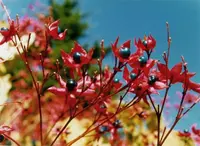
Harlequin glorybower (Clerodendrum trichotomum) is a deciduous shrub or small tree valued for its fragrant summer flowers and striking autumn fruit. It usually forms a rounded, multi-stemmed shape with large, soft leaves that may release a noticeable scent when brushed.
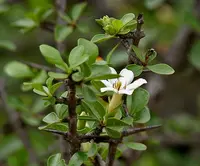
Native to East Asia, it is grown in gardens in mild to cool temperate climates as an ornamental feature plant. Showy star-shaped white flowers followed by bright blue berries set in red calyces give strong seasonal interest.
This species is moderately easy to grow if it has enough light, protection from severe cold, and reasonably moist, well-drained soil. Gardeners who know how to care for harlequin glorybower can keep it vigorous and well-shaped with simple pruning and regular monitoring for suckers.

Care Difficulty
Moderate Care

Light Preference
Full Sun

Water Requirements
Moderate Water

Temperature Preference
Cool Climate

Hardiness Zone
6–9

Soil Texture
Loamy, Sandy, Organic-rich

Soil pH
Acidic (5.5–6.5), Slightly acidic (6.5–7.0)

Soil Drainage
Moist but well-drained

Fertilization
Minimal (feed rarely)
Scan your plant to receive care tips personalized for your specific plant
Available on iOS and Android
This deciduous shrub prefers bright outdoor conditions with some protection from harsh midday sun.
This shrub prefers evenly moist, well-drained soil rather than constant wetness or repeated drought.
This species grows best in temperate climates with warm summers and cool, frost-prone winters.
This deciduous shrub prefers moderate ambient humidity but adapts well to typical indoor air.
Clerodendrum trichotomum grows best in evenly moist, well-drained, fertile soil with plenty of organic matter.
This shrub can be grown successfully in containers when given stable, well-drained root conditions.
Clerodendrum trichotomum responds well to light, balanced feeding but does not need heavy fertilization.
Pruning Clerodendrum trichotomum helps maintain a stable framework, encourage flowering, and remove weak growth.
This species is most often grown in the ground, so focus on transplanting young plants rather than frequent repotting.
Clerodendrum trichotomum is commonly propagated from semi-ripe cuttings and by lifting rooted suckers.
This shrub is generally cold hardy in many temperate regions but benefits from moderate winter preparation.

Plant Health Check
Not sure what's wrong with your plant? Check your plant's health inside the app.
The plant produces metallic blue, almost turquoise berries that sit inside star-shaped bright red calyces, a strong color contrast that makes its late-summer to autumn fruit display very conspicuous to birds.
When the leaves are crushed, they release a strong peanut- or burnt-peanut-like smell caused by volatile organic compounds, which many people find distinctive and sometimes unpleasant.
It flowers in late summer to early autumn, providing fragrant, nectar-rich blooms that are visited by butterflies, bees, and other pollinators at a time when many other shrubs have finished flowering.
In parts of its native range in East Asia, this shrub is one of the few understory species that can readily resprout from the base after cutting, which has allowed it to persist in traditional coppiced woodland systems and hedgerows for long periods.
This shrub can spread moderately by root suckers and self-seeding, especially in warmer regions. Regular removal of unwanted shoots and seedlings, plus thoughtful placement away from natural areas, helps prevent it from becoming a nuisance.
Keep your plants happy and healthy with plant identification, disease detection, and easy care guidance.