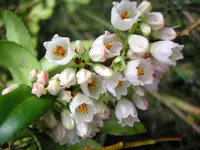
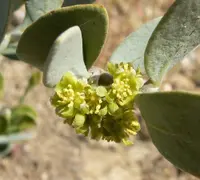
Texas sage Care (Leucophyllum frutescens)

Also known as: cenizo, Texas ranger, Texas sage, Texas silverleaf
Texas sage

About Texas sage

Texas sage, Leucophyllum frutescens, is an evergreen shrub native to arid regions of Texas and northern Mexico. It is widely used in water-wise and low-maintenance landscapes.

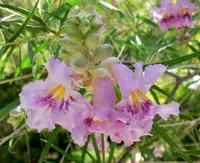
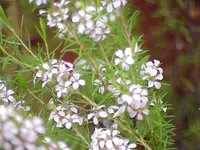
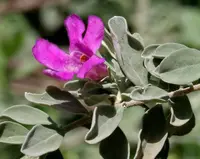
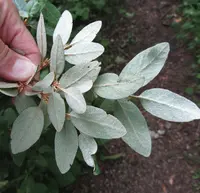
The plant forms a dense, rounded bush with silvery-gray leaves and bursts of purple, pink, or white bell-shaped flowers after periods of rain or high humidity. This growth habit makes it a strong visual accent in dry gardens.

It tolerates heat, drought, and poor, rocky soils, which generally makes it easier to grow than many other flowering shrubs. For best results, it prefers full sun, well-drained soil, and infrequent but deep watering, which guides how to care for Texas sage.

Main Plant Requirements

Care Difficulty

Easy Care

Light Preference

Full Sun

Water Requirements

Low Water

Temperature Preference

Warm Climate

Hardiness Zone

8–11

Soil Texture

Sandy, Loamy, Rocky

Soil pH

Neutral (7.0), Slightly alkaline (7.0–7.5)

Soil Drainage

Well-drained

Fertilization

Minimal (feed rarely)

Get Personalized Care Plan

Scan your plant to receive care tips personalized for your specific plant

Available on iOS and Android

How to Care for the Texas sage

This desert shrub thrives in strong, direct sun and needs bright exposure to stay compact and floriferous.

  • Provide full sun for 6–10 hours daily; open south- or west-facing locations suit Texas sage best.
  • Plant in a spot with unfiltered light; it tolerates brief partial shade but may grow looser and flower less with under 4–5 hours of direct sun.
  • In cooler seasons any full sun is suitable, but in very hot regions, slight afternoon shade can reduce leaf scorch on young plants.

This plant is highly drought-tolerant and prefers infrequent, deep watering once established.

  • Outdoors in the ground, allow soil to dry completely between waterings; check that the top 5–8 cm are dry and foliage is not limp before watering.
  • Use very well-drained, gritty soil; standing water or heavy clay strongly increases root rot risk for Leucophyllum frutescens.
  • In the first growing season, water deeply after long dry spells; once established, reduce to occasional soakings and avoid frequent light sprinkling that encourages shallow roots.

This shrub is adapted to hot, arid climates and tolerates a wide temperature range once established.

  • Optimal growth occurs around 75–95°F (24–35°C), with good tolerance of dry heat as long as soil drains freely.
  • Mature plants generally survive down to about 15–20°F (-9 to -6°C); young or newly planted shrubs are less cold-hardy and benefit from protection.
  • Avoid prolonged hard freezes and sudden cold snaps after warm spells; in marginal climates, plant on a warm, sheltered site that avoids cold air pockets.

This shrub is highly tolerant of dry air, so humidity rarely needs adjustment.

  • Preferred humidity is low, around 20–40%, matching arid or semi-arid outdoor conditions.
  • Texas sage tolerates prolonged dry indoor or outdoor air without leaf damage or reduced flowering.
  • If grown in unusually humid climates, prioritize strong air flow and avoid crowding plants to limit fungal issues.

This desert shrub needs very well-drained, lean soil that never stays waterlogged.

  • Use sandy or gravelly soil with minimal organic matter; a gritty loam prevents roots from sitting in moisture.
  • Aim for slightly alkaline to neutral pH, roughly 7.0–8.0, as Leucophyllum frutescens naturally grows on calcareous soils.
  • Blend coarse sand, small gravel, and a small amount of compost or loam to balance drainage with minimal nutrient retention.
  • Avoid clay-heavy, compacted, or peat-rich substrates and raise beds or mounds if natural soil drains slowly.

This species adapts well to container growing, especially in hot, dry regions.

  • Choose a heavy, wide-based pot to counteract wind, as the shrub can become top-heavy when mature.
  • Select unglazed clay if possible, which allows faster evaporation and helps keep the root zone from staying wet.
  • Use a relatively shallow but broad container so roots can spread laterally while the mix dries quickly between waterings.

This desert-adapted shrub needs minimal feeding, so focus on light support rather than heavy fertilization.

  • Use a balanced slow-release fertilizer (for example, 10-10-10) or a thin layer of compost on established Texas sage in spring.
  • Feed once at the start of the warm growing season; avoid monthly or frequent applications that encourage weak, lush growth.
  • Apply at half the label strength on well-watered soil to reduce root burn risk in dry, alkaline conditions.
  • Skip additional fertilizer in late fall and winter, when growth slows and nutrients are not actively taken up.

Thoughtful pruning keeps Leucophyllum frutescens compact, healthy, and flowering well.

  • Time main shaping cuts for late winter or very early spring, before vigorous new growth begins.
  • Use clean, sharp hand pruners to remove dead, diseased, crossing, or storm-damaged branches back to a healthy junction.
  • Lightly thin crowded interior stems to improve light and air, which supports dense foliage and better bloom display.
  • Avoid shearing into tight geometric shapes; instead, shorten stems selectively to maintain its natural rounded form.

This shrub is usually grown in the ground, but young container plants or poorly placed shrubs sometimes need moving.

  • Look for roots circling the pot drainage holes, slow growth, or quick drying soil as cues a container plant needs a larger pot.
  • Schedule transplanting or repotting for late winter to early spring, allowing roots to re-establish before peak summer heat.
  • For in-ground plants, dig a wide root ball, disturb roots as little as possible, and replant at the same soil depth.
  • Water deeply after moving, then keep soil lightly moist (not saturated) for several weeks to limit transplant shock.

Leucophyllum frutescens is most reliably propagated from semi-hardwood cuttings taken in warm weather.

  • Take 8–12 cm semi-hardwood tip cuttings in late spring to late summer from non-flowering, healthy shoots.
  • Remove lower leaves, dip the base in a rooting hormone, and insert into a very well-drained, sandy mix.
  • Provide bright indirect light, warm temperatures around 70–80°F, and moderate humidity until roots form.
  • Seed propagation is possible but slower; sow fresh seed on a gritty mix and keep barely moist until germination.

This shrub is fairly cold tolerant in mild climates but benefits from simple winter precautions in colder regions.

  • Mature plants usually tolerate light frosts, but young shrubs can suffer damage below about 20°F.
  • Apply a 5–8 cm layer of dry mulch around the root zone, keeping it slightly away from the main stems.
  • In very cold spells, wrap the above-ground portion with breathable frost cloth to reduce stem dieback.
  • Move container-grown plants into an unheated, bright shelter where temperatures stay above roughly 25°F.

Care Tips

Encourage Deep Roots

During the first growing season, water more deeply but less often to encourage roots to penetrate below 20–30 cm, which improves drought resilience and wind stability.

Wind-Training Young Shrubs

In windy sites, lightly stake only the first year and allow some natural movement so stems thicken and form a sturdier framework instead of becoming weak and top-heavy.

Strategic Rain Harvesting

On dry sites, shape a shallow basin or crescent berm upslope of the plant so occasional rain naturally funnels toward the root zone without allowing water to pool against the stem.

Flower Flush Management

After a heavy bloom flush triggered by summer rain, remove spent flowers and light seed set to keep the plant from wasting energy on excess seeds and to maintain a compact habit when growing Texas sage.

Heat-Reflective Placement

In very hot regions, place plants where they receive reflected heat from walls or stone, which this species tolerates well and uses to dry foliage and reduce the risk of fungal issues after summer storms.

Common Pests and Diseases

Cottony cushion scale

This pest forms white, cottony egg sacs and brownish scale bumps on stems and leaves, often causing leaf yellowing and weak growth.

Solution

Prune out heavily infested stems, then wash remaining foliage and branches with a strong stream of water to dislodge insects; follow with repeated applications of insecticidal soap or horticultural oil, making sure to wet stems and leaf undersides thoroughly in dry, mild weather.

Spider mites

These insects thrive in hot, dry conditions, causing fine stippling, dull gray foliage, and delicate webbing between leaves and stems.

Solution

Spray the shrub forcefully with water to knock mites off, then apply insecticidal soap or a light horticultural oil every 5–7 days for several cycles, focusing on inner branches and leaf undersides while keeping the plant well watered but not overwatered.

Texas sage blight

This disease causes scattered twig dieback, thinning foliage, and small dark cankers on stems, usually starting in plants stressed by improper watering or poor drainage.

Solution

Remove and destroy affected twigs back to healthy wood, improve drainage by avoiding overwatering or standing water, and increase airflow by thinning crowded branches; in severe cases, a targeted fungicide labeled for shrub cankers may be used according to label instructions as part of broader Leucophyllum frutescens care.

Foliar leaf spot

Symptoms include small tan to dark spots on leaves that may merge and cause premature leaf drop, especially after periods of prolonged humidity or overhead watering.

Solution

Prune to open the plant’s interior, avoid wetting foliage by using drip or soaker irrigation, promptly remove fallen leaves, and, if spotting continues, apply a suitable ornamental shrub fungicide during wet periods following the product directions carefully.

Interesting Facts

Rain-triggered flowering

This species often produces a sudden flush of purple flowers shortly after summer rain events, a response linked to rapid changes in soil moisture rather than day length. In its native range this makes it a reliable visual cue of recent rainfall in arid landscapes.

Silver foliage adaptation

The small, densely hairy, silver-gray leaves reflect sunlight and reduce water loss by limiting leaf temperature and transpiration. This adaptation allows the shrub to maintain photosynthesis under high heat, strong sun, and low humidity typical of desert and semi-desert habitats.

Native desert range

The plant is native to dry regions of Texas and northern Mexico, where it grows on rocky, alkaline soils that many other shrubs cannot tolerate. Its deep, fibrous root system helps it anchor in shallow, gravelly substrates and access limited water resources.

Botan icon

Did you know?

Despite its common name Texas sage, this shrub is not a true sage and is unrelated to culinary Salvia species; it belongs to the figwort family, Scrophulariaceae, and has distinct floral and leaf anatomy compared with true sages.

FAQs about Texas sage

Lack of blooms often comes from insufficient light, overly rich or frequently fertilized soil, or heavy pruning at the wrong time. Waterlogged roots and very young plants also flower poorly until growth stabilizes.

Grow Healthy Plants with Botan Care

Keep your plants happy and healthy with plant identification, disease detection, and easy care guidance.

Botan plant care app — identify plants on mobile

Explore More Plants