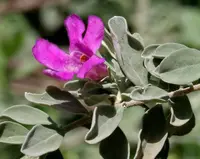
Texas sage (Leucophyllum frutescens) Watering Guide

This page explains when, how often, and how much to water Texas sage for dependable, low-maintenance care.

Water Requirements

Low Water

Leucophyllum frutescens Watering

Native to arid, drought-prone regions, Texas sage thrives in dry, fast-drying soil with only slight moisture between waterings. Leucophyllum frutescens is usually grown outdoors, where watering Texas sage mainly means respecting its naturally lean moisture supply.

In the ground, established plants rely mostly on natural rainfall, while containers need more attentive, but still conservative, watering. This page outlines how to water Texas sage so its roots stay adapted to tough, low-moisture conditions.

Water when the soil is completely dry at least 1–2 inches (3–5 cm) down; this drought-adapted shrub prefers long dry spells between waterings. In containers, this is typically every 10–21 days, but outdoor plants in extreme summer heat may need water a bit more often than in cooler seasons.

Water Texas sage when the top 2-3 inches of soil feel dry, using a slow, deep soak that favors its desert roots.

  • Pour water slowly at the base of the plant, keeping leaves and stems dry to reduce excess surface moisture.
  • Moisten the root zone thoroughly until water reaches 6-8 inches deep, encouraging a strong, drought-tolerant root system.
  • Let excess water drain completely from the pot or bed, ensuring the plant never sits in collected runoff or saucers.
  • In containers, test drainage by watering in stages, pausing briefly so soil can absorb moisture instead of shedding it off the sides.

Incorrect soil moisture can trigger health problems for Leucophyllum frutescens in cultivation.

Yellowing Lower Leaves:

Older leaves gradually yellow and drop when roots sit in compacted, poorly drained soil mix.

Root Rot:

Stems wilt despite damp soil because saturated conditions favor decay of fine feeder roots.

Sparse Flowering:

Blooming declines when irrigation is frequent, preventing soil from drying between deep waterings.

Leaf Drop After Rains:

Foliage sheds heavily when extended storms waterlog heavy soils that lack sharp drainage.

Silvery Foliage Dulling:

Leaves lose their bright gray sheen under chronic overwatering that encourages soft, lush growth.

Allow soil to dry thoroughly between soakings, prioritizing sharp drainage and infrequent, deeper watering.

Unsuitable watering habits weaken Texas sage by keeping roots stressed, making this desert shrub less resilient and shorter lived.

  • Watering by schedule: Following a fixed calendar instead of checking soil moisture keeps Leucophyllum frutescens too wet or too dry; feel soil first, then water.
  • Dense, moisture‑holding soil: Using peat‑heavy or compact soil traps water around roots; switch to a gritty cactus mix that drains and dries quickly.
  • No drainage or saucer pooling: Letting water collect in a pot without drainage or in a full saucer suffocates roots; discard runoff promptly.

Aim for deep, infrequent watering in fast‑draining soil, allowing the root zone to dry noticeably between waterings for long‑term health.

  • Spring: As new growth resumes, water only after the soil is fully dry, especially in containers, but stop if frequent spring rains keep roots moist.
  • Summer: In hot, dry periods, water deeply after extended drought to support flowering, letting soil dry hard between soakings to prevent root issues.
  • Fall: Reduce watering as temperatures ease and growth slows, providing a deep drink only after long dry spells and notably shriveled foliage.
  • Winter: In mild, frost-free climates, watering is rarely needed; in colder areas, water sparingly during prolonged dry, unfrozen periods to limit desiccation.

Your Assistant for Proper Watering

Use Botan for a clear watering guide and simple care steps for Texas sage. The app can also flag possible issues early by checking plant photos over time.

Botan plant care app — identify plants on mobile

Interesting Watering Facts

Rainstorm blooming trigger

Leucophyllum frutescens often flowers in response to humidity changes and rainfall pulses rather than day length, so desert rain events can trigger sudden flushes of blooms. In cultivation, a deep watering after a dry spell can sometimes mimic this natural response.


Adapted to alkaline dryness

In its native Texas and northern Mexico range, Leucophyllum frutescens thrives on dry, rocky, highly alkaline soils with rapid drainage, making it tolerant of minimal supplemental watering once established in similar conditions.

FAQ

Yellowing after watering usually means roots are sitting too wet. The soil may drain poorly or be watered too often. Let the mix dry more deeply, improve drainage, and check for root rot or compacted soil.

More Plant Watering Guides

Is Your Watering Routine Hurting Your Texas sage?

Botan reviews your watering pattern and signals when adjustments may be helpful.

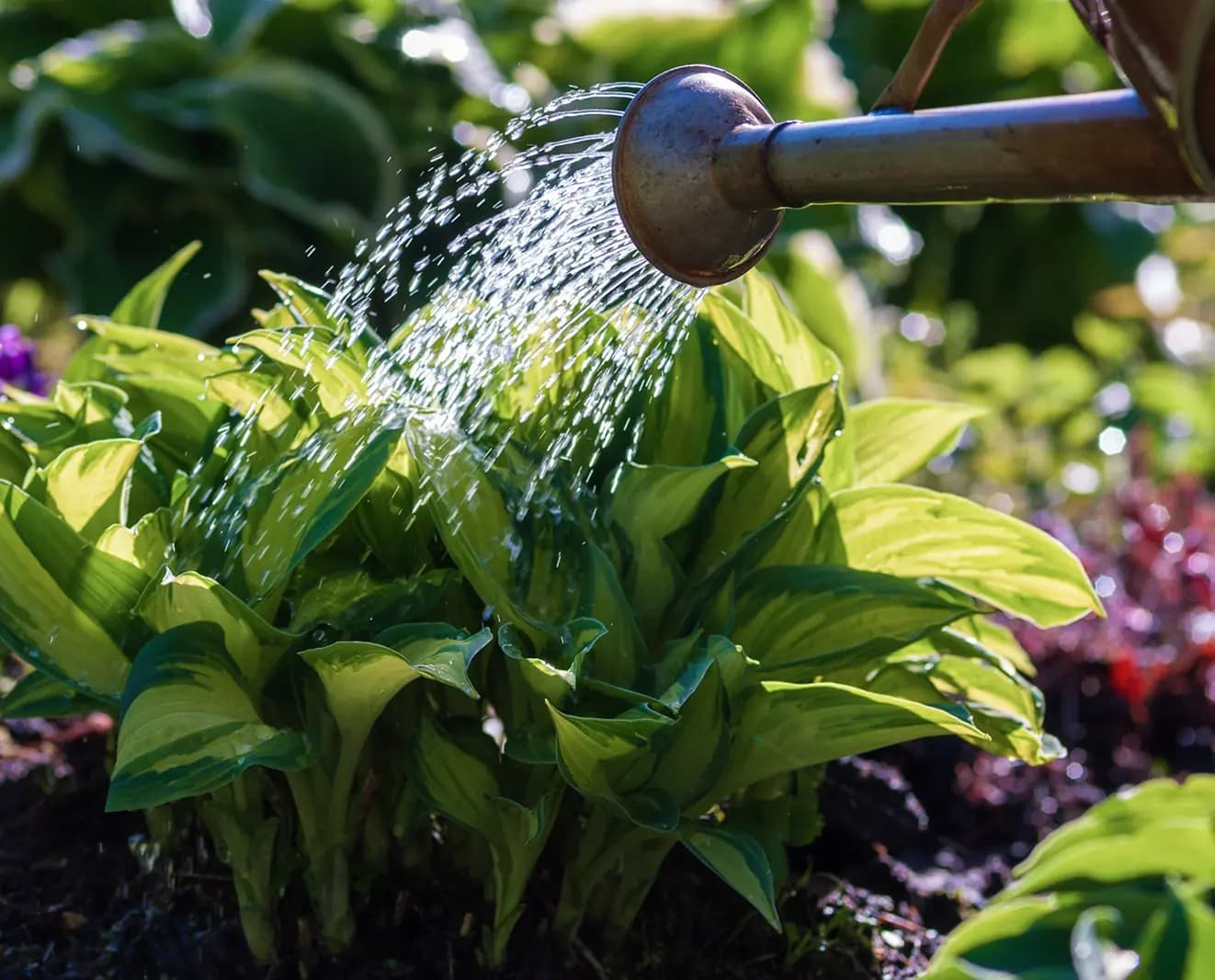
Watering a plant with a copper watering can
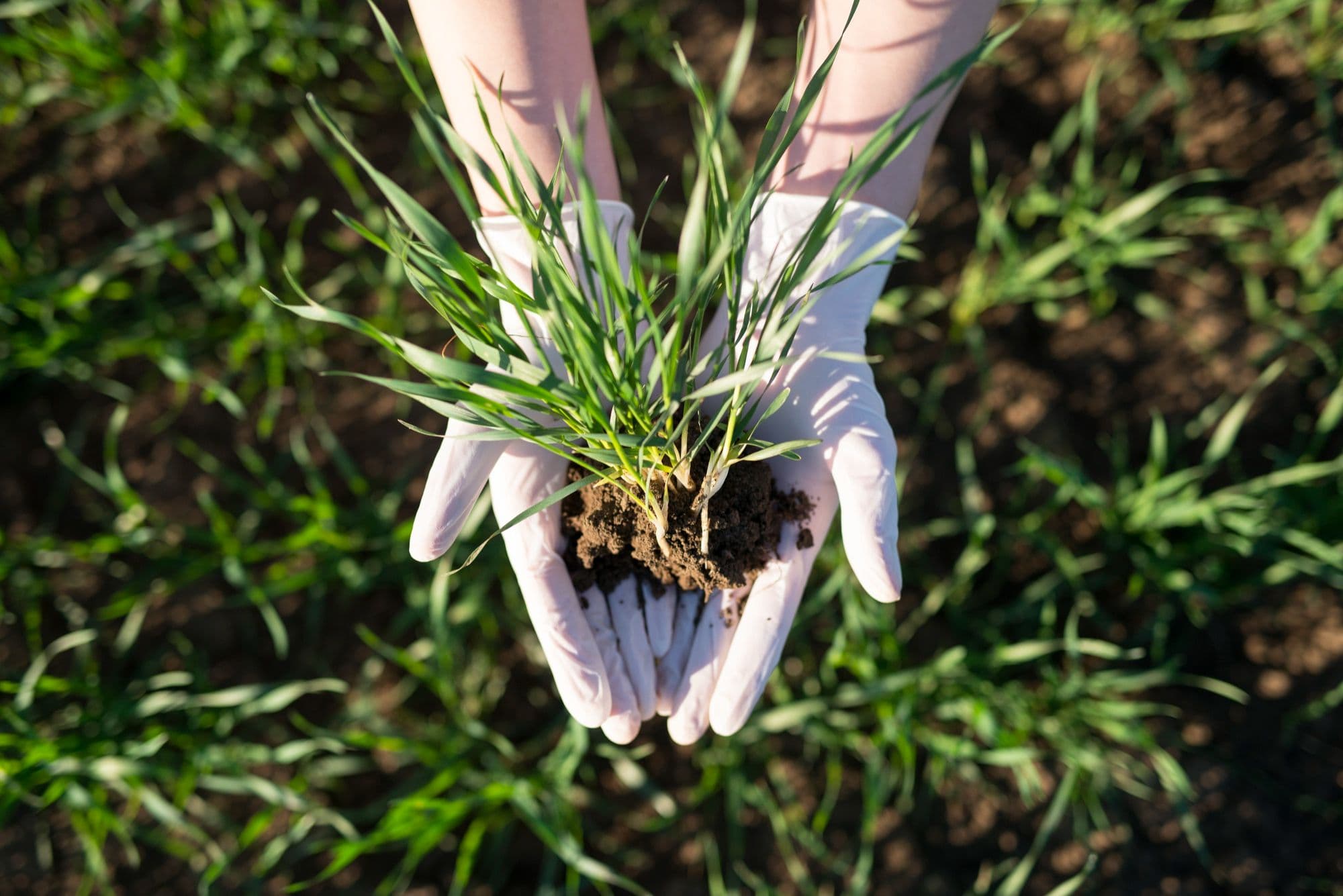
Planting Grass Seed in Summer – What Works and What Fails

7 min read · 6 Aug 2026

Planting Grass Seed in Summer – What Works and What Fails

Summer seeding succeeds when the grass type suits the season, and the soil stays moist. Find out how to prepare the seedbed and choose a safe window for planting.

Plant Care
Planting Grass Seed in Summer – What Works and What Fails
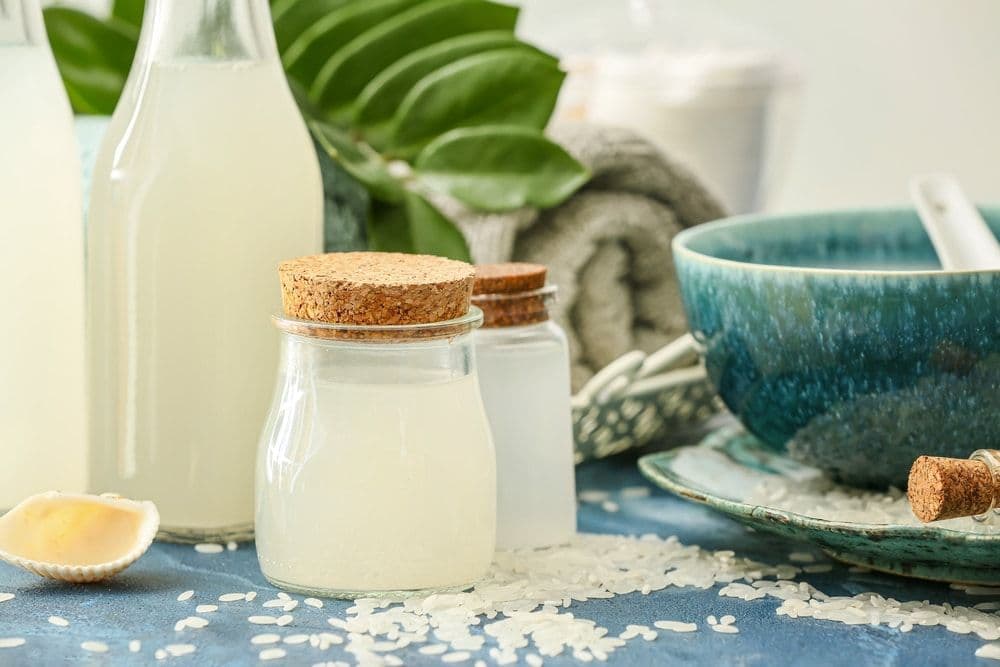
Rice Water for Plants – Which Plants Love It and How to Make It

8 min read · 14 Jul 2026

Rice Water for Plants – Which Plants Love It and How to Make It

Rice water can be an ideal DIY solution for orchids, roses, or fruiting plants. It supports growth, leaf count, and height. We’ll share how to make and apply it correctly for your plant.

Plant Care
Rice Water for Plants – Which Plants Love It and How to Make It
How Long Can Flowers Go Without Water? Everything You Need to Know

6 min read · 10 Jul 2026

How Long Can Flowers Go Without Water? Everything You Need to Know

Flowers can survive without water anywhere from 1-2 hours to several months, depending on the plant type, species, and growing conditions. Some strong-looking flowers are drought-sensitive, while delicate-looking plants may tolerate long dry periods surprisingly well.

Plant Care
How Long Can Flowers Go Without Water? Everything You Need to Know