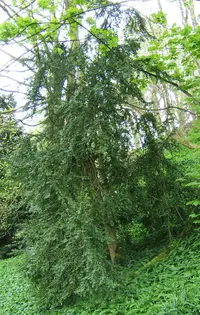
Boxwood (Buxus sempervirens) Watering Guide

This page explains when, how often, and how much to water Buxus sempervirens for practical, reliable care.

Water Requirements

Moderate Water

Buxus sempervirens Watering

Native to regions with moderate rainfall, this shrub manages short dry spells yet benefits from steady soil moisture. Buxus sempervirens prefers slightly moist, not saturated, conditions that keep roots comfortable without staying soggy.

For watering Boxwood, aim for even moisture that neither fully dries out nor stays continually wet. In-ground plants usually need less frequent attention than container-grown specimens, which lose moisture faster and demand closer monitoring.

Water when the top 1–2 inches (3–5 cm) of soil feel dry, whether the plant is in the ground or in a container. Established Buxus sempervirens in the landscape typically need deep watering every 7–14 days during mild weather, with intervals shortening in hot, windy conditions and lengthening in cool seasons.

Water boxwood when the top 1-2 inches (3-5 cm) of soil feel dry, using slow, deep soil-level watering.

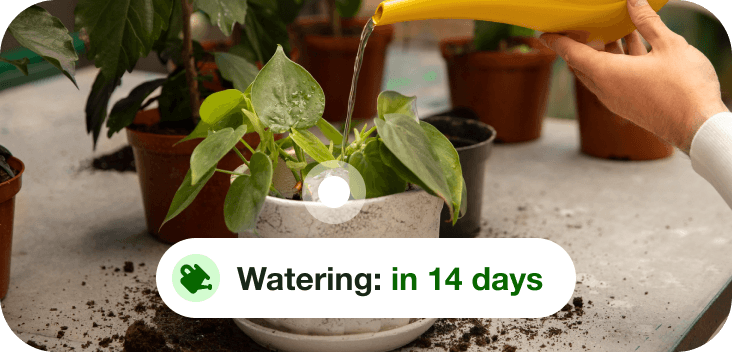
  • Pour water slowly at the base, circling the shrub so moisture spreads evenly through the entire root zone.
  • Continue adding water until the soil is evenly moist to a spade’s depth, without turning soggy or waterlogged.
  • Keep foliage and stems as dry as possible by directing the flow under the canopy rather than over the leaves.
  • Let containers drain freely, then empty saucers or cachepots so roots do not sit in standing water.

Improper moisture levels can disrupt Buxus sempervirens health, weakening growth and stressing roots.

Yellowing Interior Leaves:

Older inner foliage turns pale and drops prematurely from chronically waterlogged roots or compacted soil.

Crisp Browning Tips:

Outer leaf edges dry, brown, and crumble after prolonged drought stress and irregular deep watering.

Root Rot:

Roots blacken, smell sour, and decline in dense, poorly drained beds or containers staying saturated.

Wilting In Soggy Soil:

Shoots droop despite wet substrate because damaged roots cannot uptake oxygen or sufficient moisture.

Provide steady, moderate moisture in well-drained soil, avoiding both drought stress and prolonged saturation.

Unsuitable watering habits weaken Buxus sempervirens, leaving boxwood less resilient to heat, cold, pests, and nutrient imbalances over time.

  • Watering by calendar: Following a fixed schedule ignores changing light, temperature, and pot size; instead, check the top soil and water only when partly dry.
  • Poor draining soil: Dense, heavy mixes stay wet too long; choose a loose, barky mix that drains freely yet still holds moderate moisture.
  • Letting saucers fill: Leaving runoff in a saucer keeps roots submerged; empty saucers quickly so excess water can drain completely away.

Safer watering relies on responsive checks of soil moisture, combined with good drainage conditions that keep boxwood roots evenly moist, not saturated.

  • Spring: As growth resumes, keep soil evenly moist, letting the top inch dry slightly between waterings to support new shoots without waterlogging roots.
  • Summer: In hot, dry periods, water deeply but less often, focusing on root zone moisture and mulching to reduce evaporation around shallow roots.
  • Fall: Gradually reduce watering as temperatures cool, keeping soil lightly moist to help evergreen foliage face approaching winter desiccation.
  • Winter: Water sparingly during thawed periods, preventing soil from staying saturated while avoiding complete dryness that can worsen windburn and leaf bronzing.

Track Watering. Catch Problems Early

Use Botan for a clear watering guide and practical care steps for your Buxus sempervirens, plus gentle photo-based checks that help spot potential issues before they worsen.

Botan plant care app — identify plants on mobile

Interesting Watering Facts

Calcareous soil preference

In its native European range, Buxus sempervirens commonly grows on dry, lime-rich (calcareous) slopes where rainfall drains quickly, so its roots are adapted to relatively low, well-aerated moisture rather than persistently wet or acidic soils.


Tolerant of seasonal drought

Established Buxus sempervirens hedges in traditional European gardens are known to tolerate typical summer dry spells, reflecting the species’ adaptation to rocky, free-draining habitats with intermittent water availability.

FAQ

Use cool to room‑temperature water, roughly 60–75°F (16–24°C). Sudden extremes can shock roots, especially in containers. Let water sit until it loses its chill before routine Buxus sempervirens watering.

Everything About Boxwood

More Plant Watering Guides

Is Your Watering Routine Hurting Your Boxwood?

Botan reviews your watering pattern to highlight when adjustments could support healthier growth.

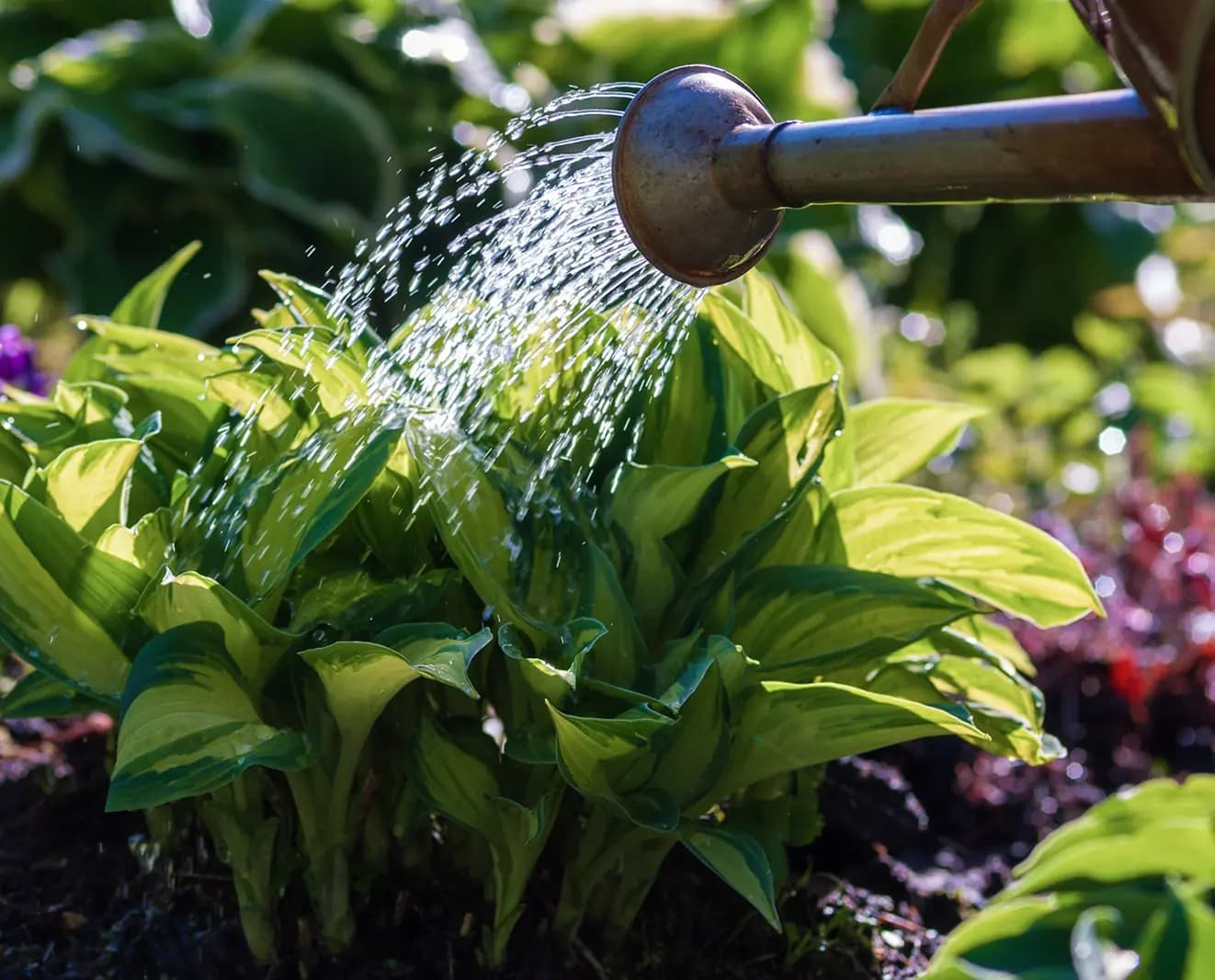
Watering a plant with a copper watering can
Frozen vs Fresh Vegetable Nutrients: Which Option Is Healthier?

6 min read · 8 Sept 2026

Frozen vs Fresh Vegetable Nutrients: Which Option Is Healthier?

Frozen and fresh vegetables are nutritionally comparable: frozen produce often retains vitamins just as well as fresh and may sometimes contain more. Here’s how blanching and storage affect nutrients—and when to choose each.

Plant Recommendations
Frozen vs Fresh Vegetable Nutrients: Which Option Is Healthier?
How Often to Water Fruit Trees

7 min read · 11 Aug 2026

How Often to Water Fruit Trees

Irrigation needs change as roots establish and weather shifts. This guide gives practical starting intervals, explains how soil and tree type change them, and shows how to recognize both excess moisture and drought stress.

Plant Care
How Often to Water Fruit Trees
Best Time to Mow Lawn – A Complete Guide

5 min read · 10 Aug 2026

Best Time to Mow Lawn – A Complete Guide

Explore when to mow your lawn for its health and a pleasant green color. Find out the best time for this task during the summer heat, and follow practical tips for correctly cutting the grass, and learn common mistakes to avoid.

Plant Care
Best Time to Mow Lawn – A Complete Guide