

Boxwood (Buxus sempervirens) Light Needs

Boxwood grows best in partial sun, with bright light and several hours of direct morning sun.

Light Preference

Partial Sun

Buxus sempervirens Light Requirements

In its native range across parts of Europe, North Africa, and western Asia, Buxus sempervirens grows in open woodland, scrub, rocky slopes, and woodland edges. It can receive direct sun in exposed sites and filtered or partial shade under taller vegetation.

This background explains its flexibility in gardens. It tolerates full sun and shade, but dense, even growth is strongest with partial sun.

  • Ideal exposure:

    Boxwood needs about 6–8 hours of partial sun or bright filtered light daily, including 3–6 hours of direct sun.

  • Full sun tolerance:

    Full sun is tolerated when soil and air conditions are not excessively hot or reflected.

  • Best direct sun:

    Morning sun is safer than harsh afternoon sun, especially in warm summer areas.

  • Shade tolerance:

    Light shade is tolerated, but dense shade usually reduces compact, even growth.

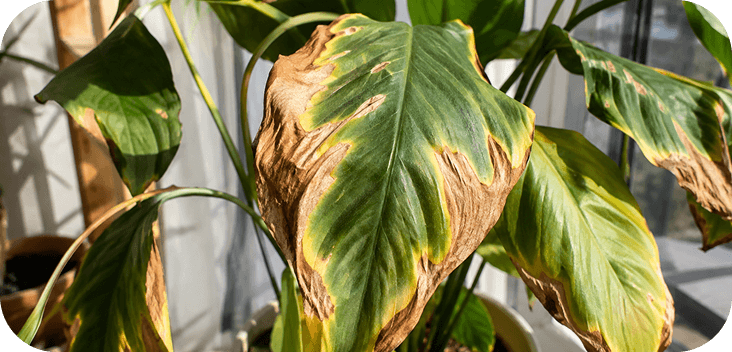
Excess light usually appears on the most exposed foliage.

Bronzed outer leaves:

Leaves on the south or west side may turn bronze or dull brown after strong sun, especially in winter or heat.

Tan scorch patches:

Flat tan areas can appear where leaves receive sudden harsh afternoon sun or reflected heat from walls, paving, or glass.

Uneven damage:

Sun stress often affects the outer shell first, while shaded inner foliage stays greener.

Faded new growth:

Tender new leaves may look pale or dry when moved too quickly from shade into stronger sun.

Shift containers to morning sun and afternoon shade, or add a light shade cloth during the hottest hours. Increase exposure gradually over 1–2 weeks.

Low light makes growth less dense over time.

  • Open habit:

    New shoots may stretch farther apart, giving the shrub a loose outline instead of compact branching.

  • Leaning growth:

    Container plants may grow more strongly toward the brighter side when light comes from one direction.

  • Thin interior:

    Inner stems can become sparse when surrounding shade blocks light from reaching the canopy.

  • Small spring flush:

    New leaves may stay smaller and the active-season growth flush may be weak in deep shade.

Move the plant to a brighter spot with partial sun, or reduce nearby shade if it is growing outdoors. Increase sun exposure gradually to avoid scorch.

Choose morning sun with afternoon shade when the ideal site is not available. This compromise supports dense growth while reducing stress from hot, direct afternoon sun.

Rotate container plants every few weeks so each side receives even light. Thin nearby overhanging growth if it casts heavy shade through the growing season.

Avoid deep shade under dense cover because it produces open, sparse growth.

Get Personalized Care Plan

Scan your plant to receive care tips personalized for your specific plant

FAQ

Boxwood light requirements are best met with partial sun: bright outdoor light plus several hours of direct sun. It can also grow in full sun or light shade when conditions are not extreme.

More Plant Light Guides

Get the Botan App

Discover how to care for your plants with Botan.

Botan app identifying a plant with a phone camera
What Plants Don't Like Epsom Salt?

11 min read · 29 Jul 2026

What Plants Don't Like Epsom Salt?

Learn which plants can be seriously damaged by Epsom salt and which will thrive on it. We’ll explain when and how to use it properly, provide tips for indoor & outdoor plants — read on and enjoy a healthy garden.

Plant Care
What Plants Don't Like Epsom Salt?
Frozen vs Fresh Vegetable Nutrients: Which Option Is Healthier?

6 min read · 8 Sept 2026

Frozen vs Fresh Vegetable Nutrients: Which Option Is Healthier?

Frozen and fresh vegetables are nutritionally comparable: frozen produce often retains vitamins just as well as fresh and may sometimes contain more. Here’s how blanching and storage affect nutrients—and when to choose each.

Plant Recommendations
Frozen vs Fresh Vegetable Nutrients: Which Option Is Healthier?
How to Repot a Plant: A Step-by-Step Guide

7 min read · 28 May 2026

How to Repot a Plant: A Step-by-Step Guide

In spring, many plants need repotting—an essential part of care. To avoid stress, consider the plant’s type and size. This article offers a step-by-step guide for repotting indoors or outdoors and shows how to check plant health and get care tips using the Botan app.

Plant Care
How to Repot a Plant: A Step-by-Step Guide