Best Soil for Boxwood (Buxus sempervirens)

Healthy Buxus sempervirens roots depend on soil that balances moisture retention, airflow, and a near-neutral pH.

Soil Texture

Loamy, Clay, Organic-rich

Soil pH

Slightly acidic (6.5–7.0), Slightly alkaline (7.0–7.5)

Soil Drainage

Moist but well-drained

Buxus sempervirens Soil Guide

Native to parts of southern and western Europe, northwest Africa, and western Asia, Buxus sempervirens often grows in woodland settings and on limestone-influenced soils. Those conditions help explain why Boxwood soil should stay evenly moist yet drain well, with enough mineral structure to avoid becoming stagnant around the roots.

A loamy to clay-loam texture with plenty of organic matter suits its fine, fibrous root system. This kind of soil holds steady moisture and nutrients, but still needs air spaces so roots can function well. The best soil for Boxwood feels rich and moisture-retentive without staying waterlogged or overly loose.


A simple homemade mix can give Buxus sempervirens the balance of structure and moisture control it needs in containers.

100% total mix = 20 scoops
15%
perlite or pumice3 scoops
20%
pine bark fines4 scoops
25%
compost or well-aged leaf mold5 scoops
40%
high-quality loam-based potting soil8 scoops

The finished blend should feel crumbly and lightly springy, holding some moisture while still letting extra water move through without staying soggy.

Boxwood grows best in slightly acidic to slightly alkaline soil, with an ideal range around 6.5–7.5 pH. In that zone, key nutrients stay more available to the roots without becoming excessively locked up.

Buxus sempervirens is fairly adaptable near neutral, but strongly acidic soil can reduce access to nutrients such as calcium and magnesium over time.

Soil issues often develop slowly and may show up first as weaker growth or a less vigorous root system in Boxwood.

Compaction:

Compaction: Dense soil can limit airflow around the roots and slow growth, so gently loosen the surface and check whether the mix has become hard or packed.

Waterlogging:

Waterlogging: Soil that stays wet for long periods can stress roots, so pause extra watering and make sure excess moisture can drain away freely.

Hydrophobic mix:

Hydrophobic mix: Very dry organic soil may repel water at first, so rewet it gradually and evenly instead of soaking all at once.

Salt buildup:

Salt buildup: A crust on the soil surface or pot rim can suggest mineral residue, so flush the container thoroughly and review water quality if it keeps returning.

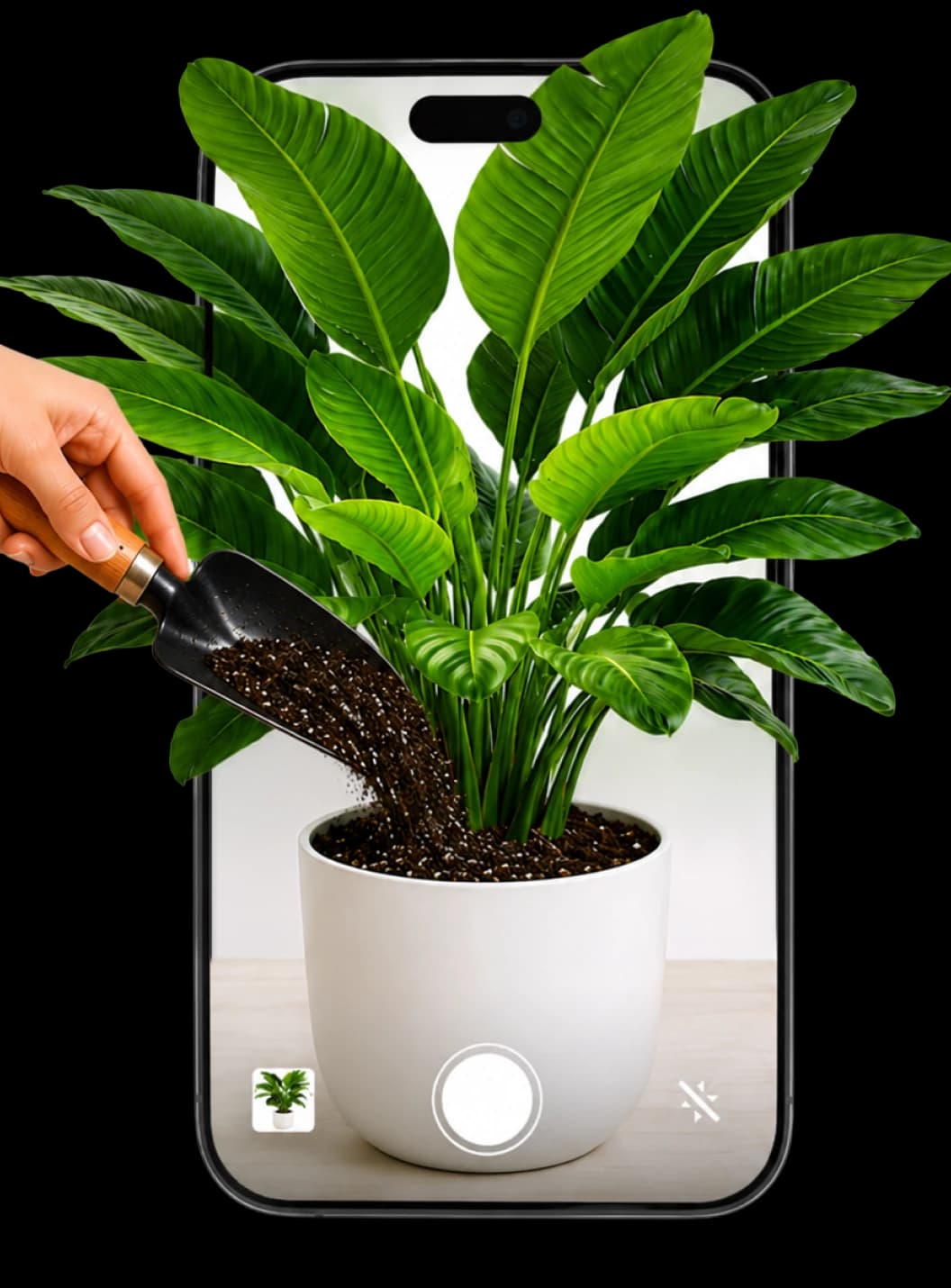
Scan for Soil Tips

Botan can help identify the plant and guide a more suitable soil choice based on how this species typically grows.

FAQ

Yes. A pot with enough depth helps support a broader root zone and more even moisture. Shallow containers dry faster and give roots less buffering from heat and cold.

More Plant Soil Guides

Is Your Soil the Problem?

A photo-based check can help show whether soil conditions may be part of the issue and what to review next.

Botan app helping with soil and plant care
What Plants Don't Like Epsom Salt?

11 min read · 29 Jul 2026

What Plants Don't Like Epsom Salt?

Learn which plants can be seriously damaged by Epsom salt and which will thrive on it. We’ll explain when and how to use it properly, provide tips for indoor & outdoor plants — read on and enjoy a healthy garden.

Plant Care
What Plants Don't Like Epsom Salt?
Frozen vs Fresh Vegetable Nutrients: Which Option Is Healthier?

6 min read · 8 Sept 2026

Frozen vs Fresh Vegetable Nutrients: Which Option Is Healthier?

Frozen and fresh vegetables are nutritionally comparable: frozen produce often retains vitamins just as well as fresh and may sometimes contain more. Here’s how blanching and storage affect nutrients—and when to choose each.

Plant Recommendations
Frozen vs Fresh Vegetable Nutrients: Which Option Is Healthier?
How to Repot a Plant: A Step-by-Step Guide

7 min read · 28 May 2026

How to Repot a Plant: A Step-by-Step Guide

In spring, many plants need repotting—an essential part of care. To avoid stress, consider the plant’s type and size. This article offers a step-by-step guide for repotting indoors or outdoors and shows how to check plant health and get care tips using the Botan app.

Plant Care
How to Repot a Plant: A Step-by-Step Guide