



Best Soil for Mugo pine (Pinus mugo)

Pinus mugo grows best in loose, sharply drained soil that supports oxygen around the roots and steady long-term plant health.

Soil Texture

Sandy, Loamy, Rocky

Soil pH

Acidic (5.5–6.5), Slightly acidic (6.5–7.0)

Soil Drainage

Well-drained

Pinus mugo Soil Guide

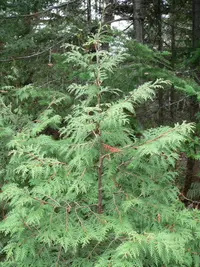
Native to the mountains of central and southern Europe, Pinus mugo grows on slopes, rocky ground, and other fast-draining sites. That background explains why the best soil for Mugo pine is loose, airy, and mineral-rich rather than dense or water-holding.

Its roots need oxygen as much as moisture, so sandy, loamy, or gritty soil suits it better than heavy soil. Good drainage helps the root zone dry at a steady pace, while slight acidity matches the conditions this conifer naturally prefers.

A simple homemade mix can give Pinus mugo the balance of airflow, support, and moderate moisture retention it needs in a container.

100% total mix = 20 scoops
10%
loam-based potting soil2 scoops
20%
perlite or pumice4 scoops
30%
coarse sand6 scoops
40%
pine bark fines8 scoops

The finished mix should feel gritty and open, hold together lightly in the hand, and let excess water pass through without staying soggy.

Soil issues often develop slowly in conifers, so early checks are useful. With Mugo pine, prolonged root-zone stress is more likely than sudden collapse.

Compaction:

Dense soil that stays tight after watering can limit air at the roots; gently loosen the surface and review whether the mix has become too fine.

Persistent wetness:

If the root zone remains damp for long periods, drainage may be insufficient; first check the container base and how quickly excess water escapes.

Hydrophobic mix:

Very dry, peat-heavy soil can shrink and shed water instead of absorbing it; rewet slowly and evenly so moisture can penetrate again.

Salt buildup:

A crust on the surface or pot edge can point to accumulated minerals; flush the soil thoroughly and watch for repeat buildup over time.

Soil Advice in Seconds

Botan helps match this plant to a more suitable soil setup by combining care guidance with photo-based plant identification.

FAQ

Yes. Drainage holes are important because this species handles excess moisture poorly in containers. A pot without them keeps water trapped around the roots and makes stable soil moisture much harder to manage.

More Plant Soil Guides

Check Your Soil Choice

If growth seems off, Botan can help assess whether soil may be one factor by reviewing visible clues from a photo.

Botan app helping with soil and plant care
How Long Can Flowers Go Without Water? Everything You Need to Know

6 min read · 10 Jul 2026

How Long Can Flowers Go Without Water? Everything You Need to Know

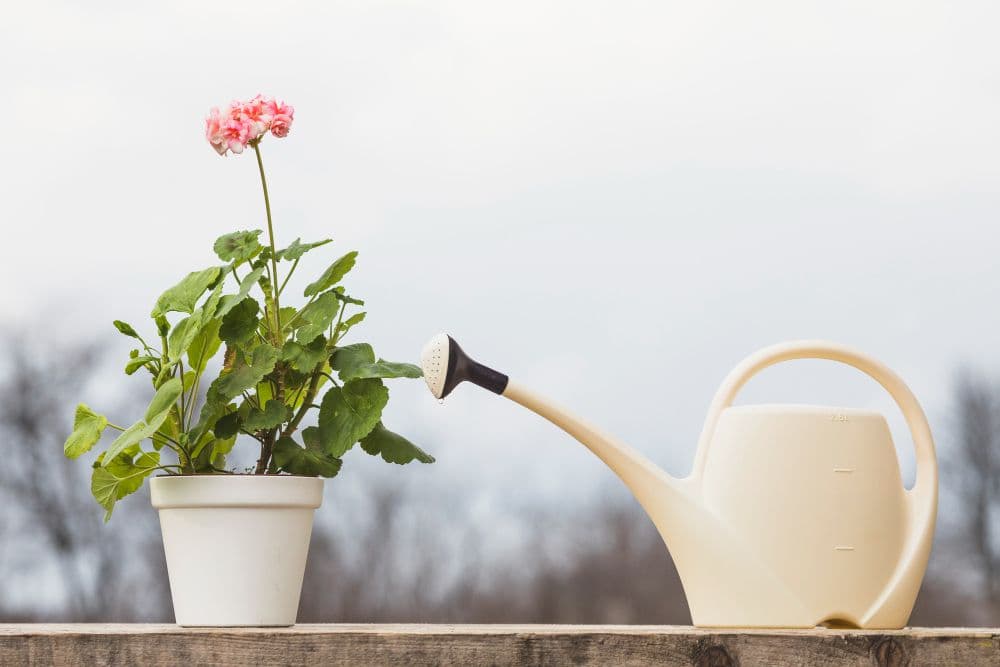
Flowers can survive without water anywhere from 1-2 hours to several months, depending on the plant type, species, and growing conditions. Some strong-looking flowers are drought-sensitive, while delicate-looking plants may tolerate long dry periods surprisingly well.

Plant Care
How Long Can Flowers Go Without Water? Everything You Need to Know
8 Glow-in-the-Dark Plants and Fungi That Really Exist

8 min read · 6 Nov 2026

8 Glow-in-the-Dark Plants and Fungi That Really Exist

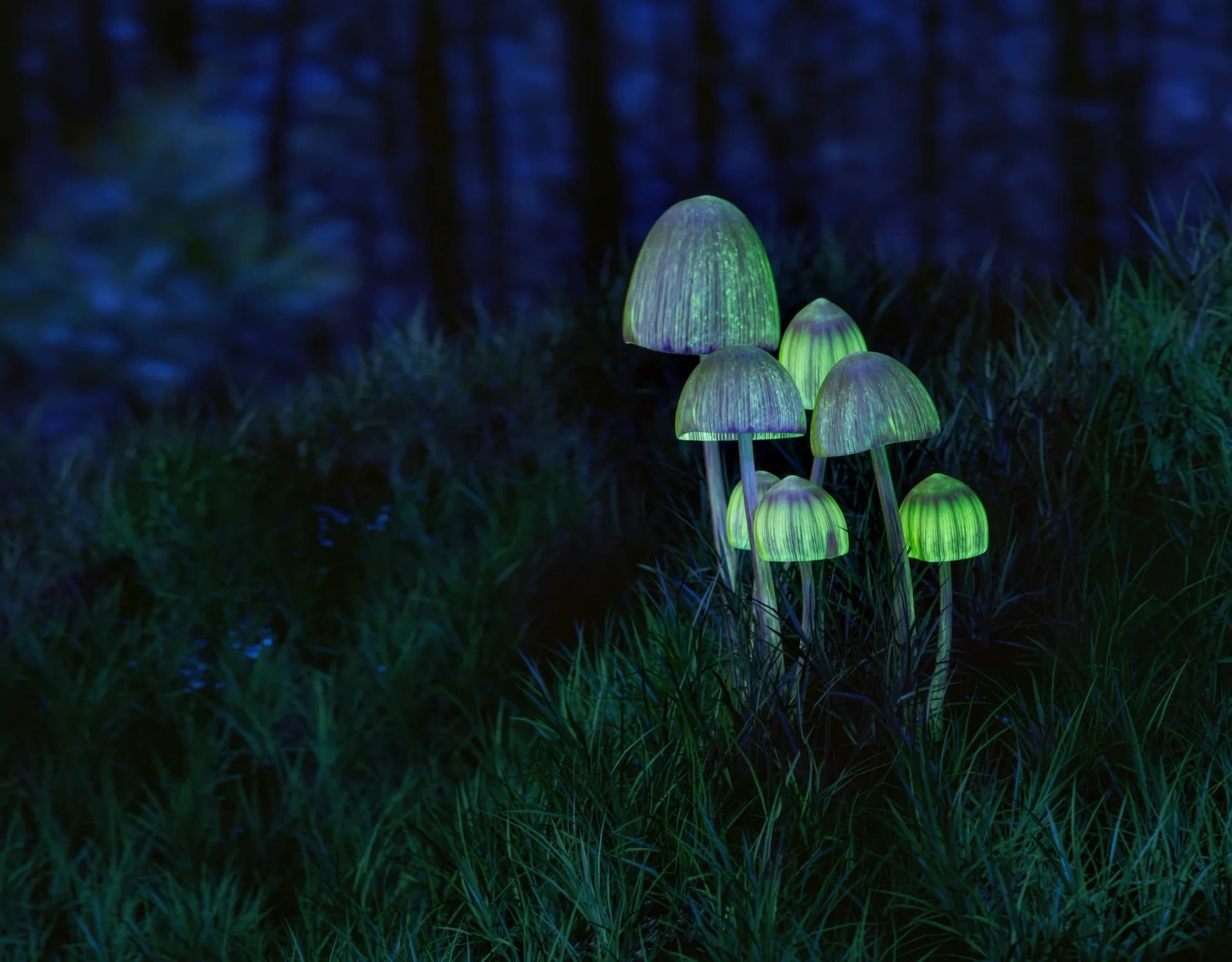
Plants that glow in the dusk really exist. Some of them produce their own light, while others need UV exposure or special treatments. Explore eight fascinating examples, including glowing petunias, bioluminescent mushrooms, fluorescent flowers, and experimental succulents.

Plant Recommendations
8 Glow-in-the-Dark Plants and Fungi That Really Exist
Plants That Repel Bugs – 20 Effective Options

12 min read · 16 Jul 2026

Plants That Repel Bugs – 20 Effective Options

Mosquitoes on the patio? Gnats in the kitchen? Some plants keep them away with the scent of their own leaves. Here are 20 that deal with mosquitoes, flies, aphids, and more, plus where to put them so they help.

Plant Recommendations
Plants That Repel Bugs – 20 Effective Options