





Best Soil for Japanese black pine (Pinus thunbergii)

Pinus thunbergii grows best in gritty, fast-draining soil with some moisture retention, which supports healthy roots and reduces stress underground.

Soil Texture

Sandy, Loamy, Rocky

Soil pH

Acidic (5.5–6.5), Slightly acidic (6.5–7.0)

Soil Drainage

Well-drained

Pinus thunbergii Soil Guide

Native to coastal Japan and Korea, Pinus thunbergii grows in exposed, sandy and often rocky ground where water moves through quickly. That background explains the best soil for Japanese black pine: loose, mineral-leaning, well-drained soil with plenty of air around the roots.

Its root system benefits from oxygen and steady but not lingering moisture, so compact or heavy soil is a poor fit. Sandy or loamy textures suit Japanese black pine soil because they drain well while still holding enough moisture for active roots between waterings.

A homemade mix gives better control over structure and drainage for Pinus thunbergii in containers. The goal is a coarse blend that stays open over time.

100% total mix = 20 scoops
15%
loam-based potting soil3 scoops
20%
coarse sand4 scoops
30%
pumice or perlite6 scoops
35%
pine bark fines7 scoops

The finished blend should feel gritty and airy, hold together lightly when damp, and let excess water move through without staying soggy.

A slightly acidic to acidic range of about 5.5–7.0 suits Japanese black pine well. Within that range, key nutrients stay more available to the roots, which supports steady growth and good needle color.

This species can handle a modest shift within that window, but strongly alkaline soil may make nutrient uptake less efficient over time.

Soil issues often show up slowly in this species, especially when the root zone stays stressed. Japanese black pine is less tolerant of stale, compacted conditions than many beginners expect.

Compaction:

If the surface hardens and water lingers instead of moving through, gently loosen the top layer and check whether the mix has broken down too much.

Poor aeration:

A sour smell or persistently heavy root zone can point to low oxygen around the roots, so improve airflow by replacing dense material near the surface.

Salt buildup:

White crust on the soil or pot rim may mean mineral residue is accumulating, so flush the container thoroughly and reassess water quality.

Hydrophobic mix:

If dry soil shrinks from the pot edge and sheds water at first, rewet it gradually in stages until moisture spreads evenly again.

Match Plant to Soil

Botan helps match this plant to a more suitable growing medium based on its identity, growth habit, and typical root-zone preferences.

FAQ

Yes. Drainage holes help excess water leave the container quickly, which keeps the root zone better aerated and more stable over time in Japanese black pine soil.

More Plant Soil Guides

Soil Problem? Scan It.

A photo check can help show whether soil may be part of the problem. Botan reviews visible stress patterns and points to likely care factors to inspect.

Botan app helping with soil and plant care
Best Bedroom Plants – Top 10 to Grow in Your Space

8 min read · 8 Jul 2026

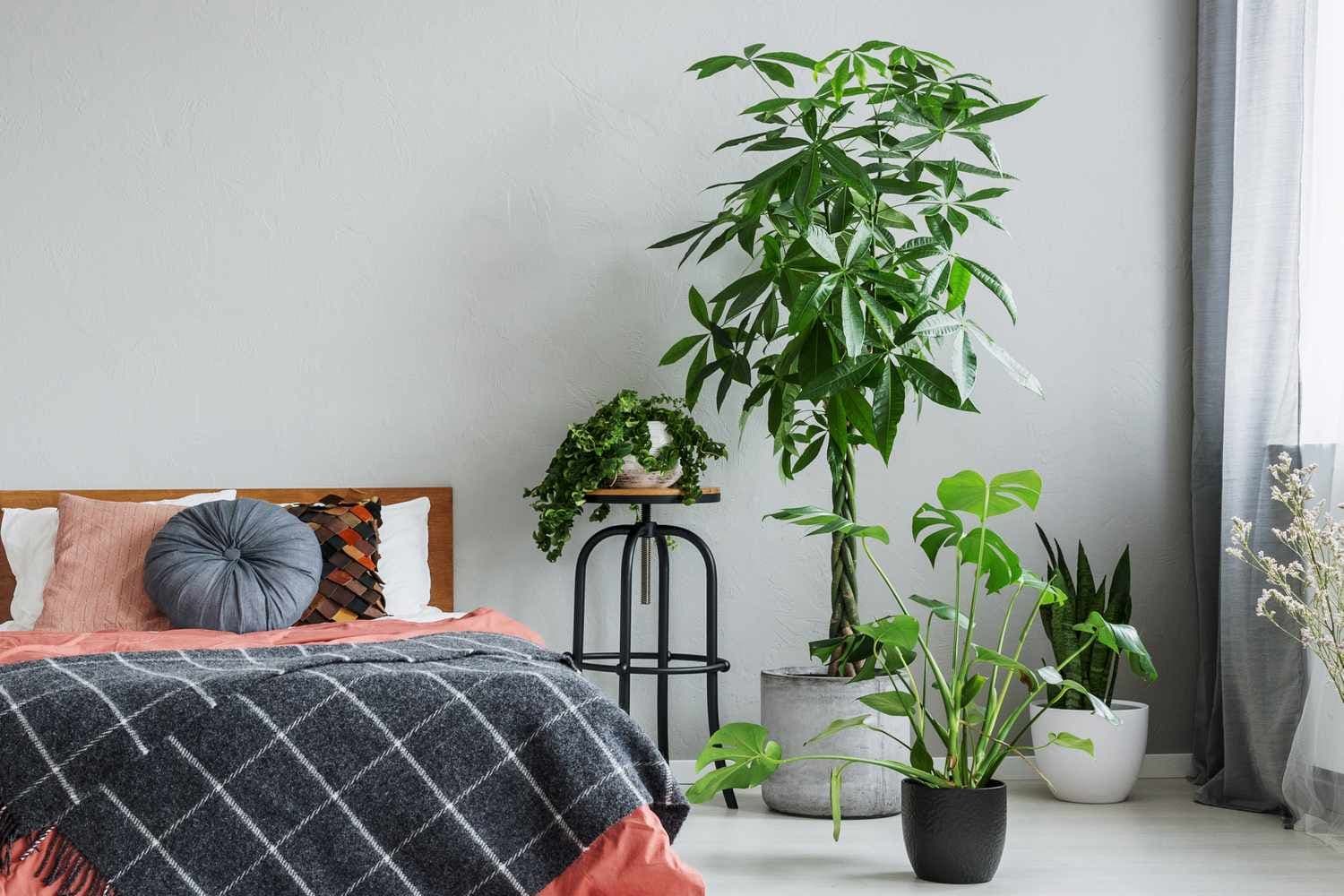
Best Bedroom Plants – Top 10 to Grow in Your Space

Discover the top 10 houseplants that are suitable for growing in your bedroom. Compare their light and water needs, pet safety, and benefits. Find out where best to place greenery in your relaxation space and what species to avoid.

Plant Recommendations
Best Bedroom Plants – Top 10 to Grow in Your Space
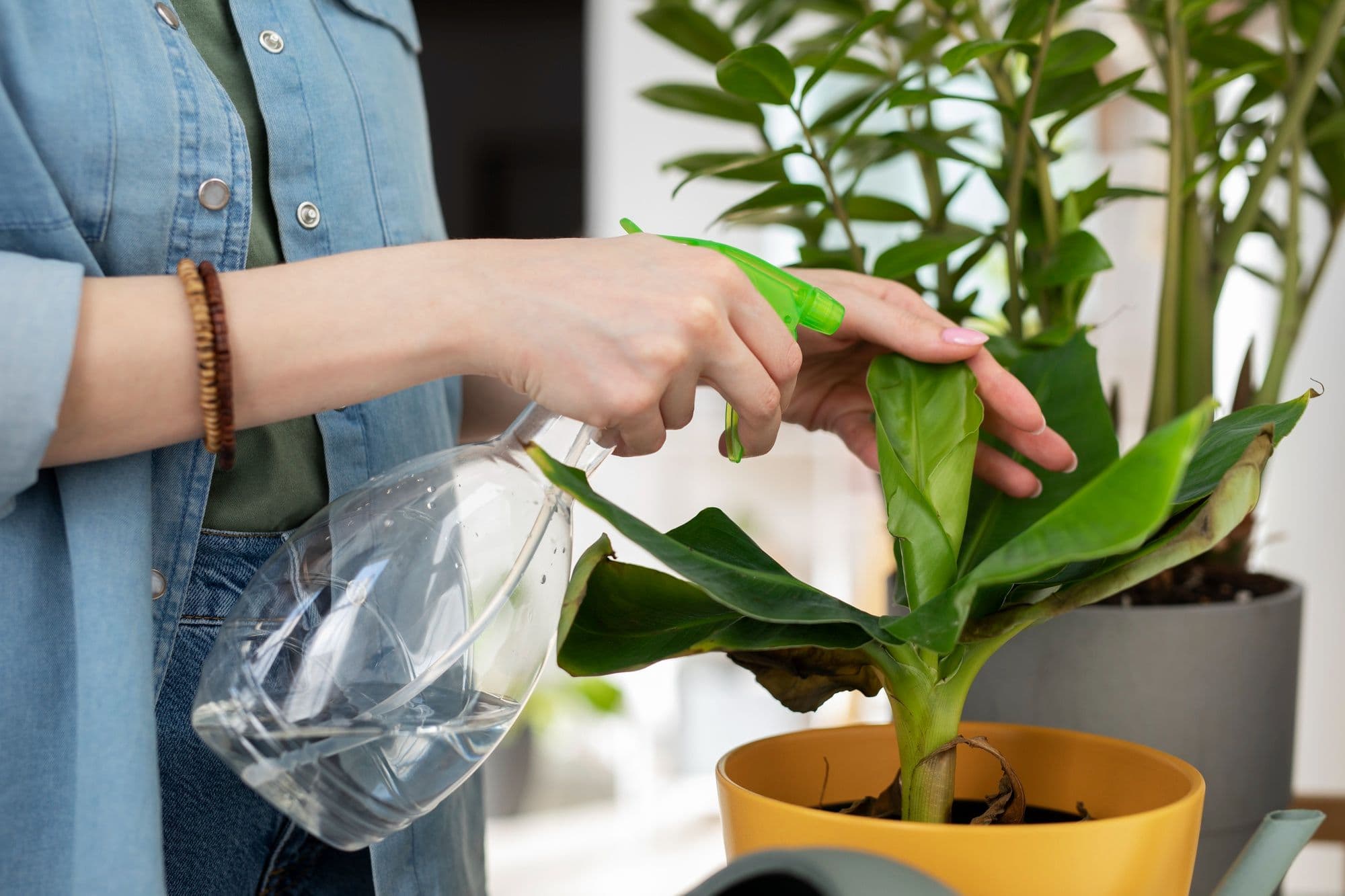
How to Mist Plants – Proper Technique and Common Mistakes

7 min read · 30 Jul 2026

How to Mist Plants – Proper Technique and Common Mistakes

Find out when misting works well and when to avoid it. Here, you’ll find detailed information about compatible and incompatible species, tips on how often to mist plants and do it correctly, and some great alternatives for raising humidity.

Beginner Guides
How to Mist Plants – Proper Technique and Common Mistakes
How to Water Houseplants: Watering Guide

7 min read · 24 Aug 2026

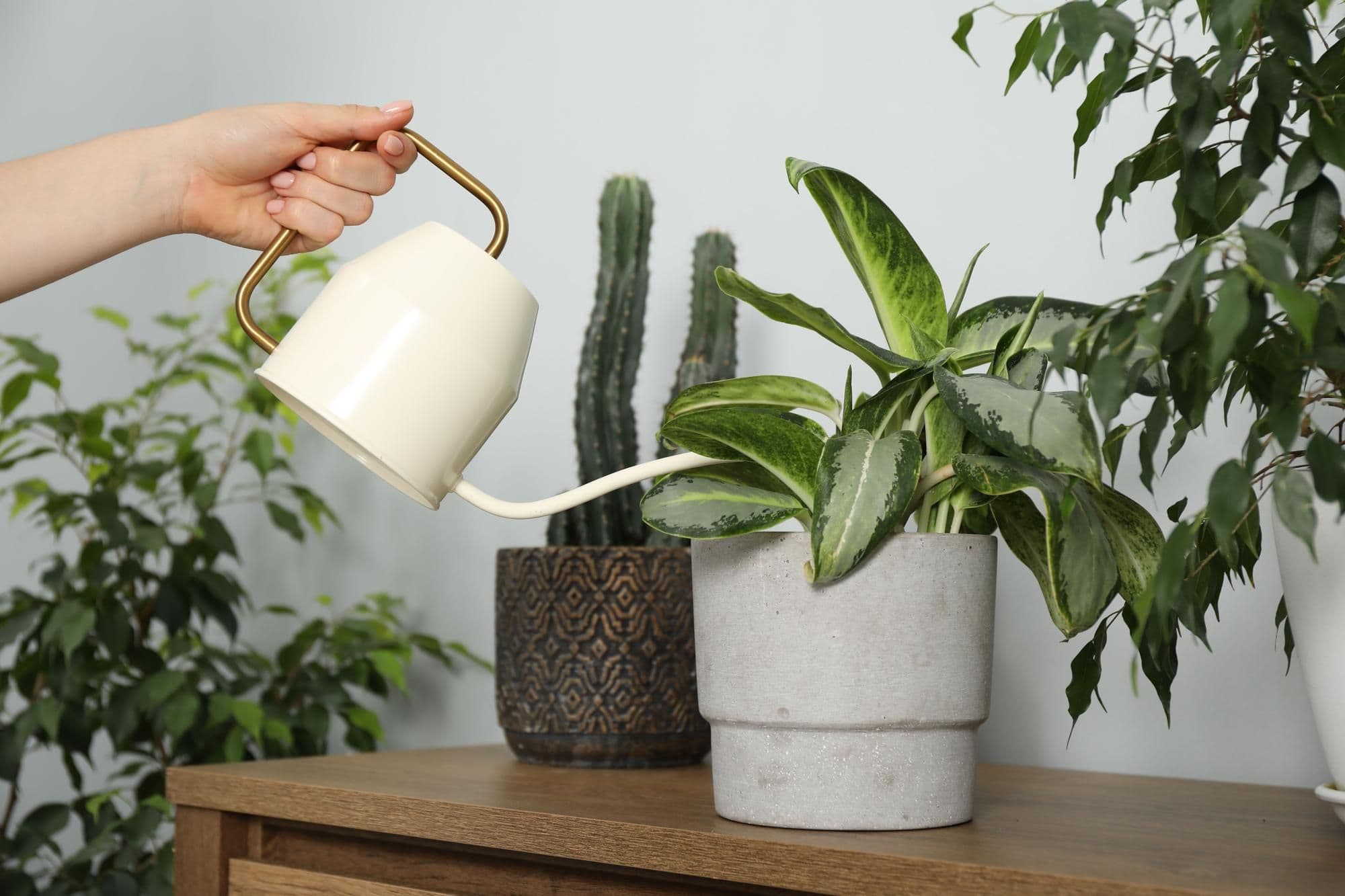
How to Water Houseplants: Watering Guide

Learn how often to water indoor plants, key factors for proper watering, and how to adjust the care routine by plant type, season, pot size, light, and indoor conditions.

Plant Care
How to Water Houseplants: Watering Guide