7 min read · 6 Aug 2026
Planting Grass Seed in Summer – What Works and What Fails
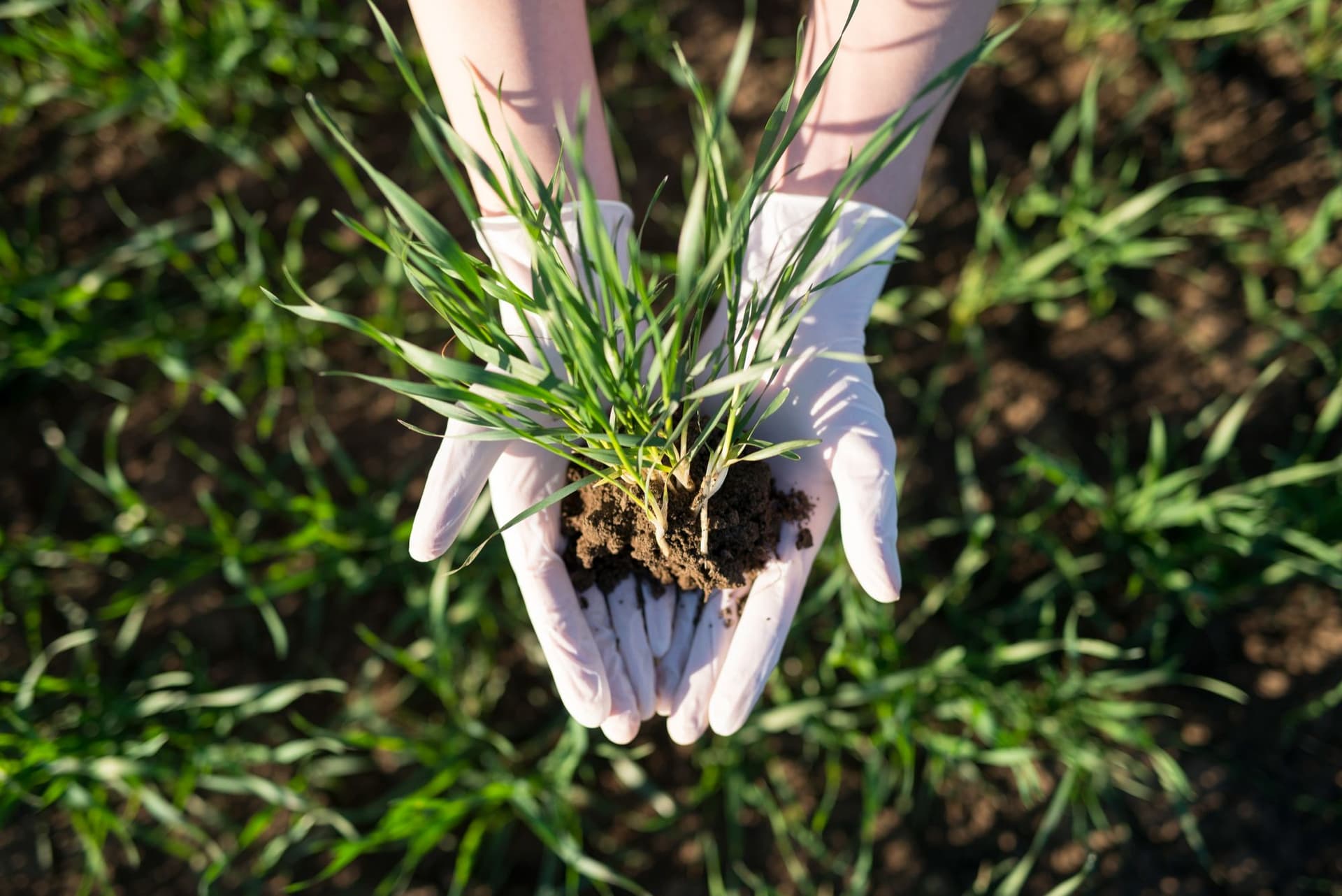
Summer seeding succeeds when the grass type suits the season, and the soil stays moist. Find out how to prepare the seedbed and choose a safe window for planting.

For Salix babylonica, the right soil texture, moisture balance, and pH support steady root expansion and long-term plant health.

Soil Texture
Loamy, Silty, Clay

Soil pH
Acidic (5.5–6.5), Slightly acidic (6.5–7.0)

Soil Drainage
Waterlogged tolerant

Native to China, Salix babylonica comes from streamside and lowland settings where soil stays consistently moist. That background explains why the best soil for weeping willow is loamy, silty, or clay-based ground that holds water well instead of drying quickly.
Its root system is broad and moisture-seeking, so the soil should offer steady contact with water while still having enough structure for oxygen to move through. Rich, slightly acidic to acidic soil with good moisture retention suits this species better than light, fast-draining ground.

A custom mix can give Salix babylonica the moisture reserve it likes without turning dense and stale in a container.
The finished blend should feel rich, slightly weighty, and evenly damp, with slow but steady drainage and good contact around roots.
A good target for weeping willow is mildly acidic to near neutral soil, around 5.5–7.0 pH. This range supports balanced nutrient availability, especially for iron and other micronutrients that can become harder for roots to access in more alkaline conditions.
Salix babylonica is fairly adaptable, but it generally performs best when the root zone stays slightly acidic rather than strongly alkaline. Keeping pH in that moderate range helps nutrients remain available without major imbalance.
This species tolerates wet ground well, but soil conditions can still contribute to stress, especially in containers or compacted sites.
Dense, pressed soil can limit root movement and air exchange; gently loosen the surface and add organic matter if the soil dries into a hard mass.
Light mixes may shrink from the pot sides or become hard to re-wet; soak thoroughly, then refresh with a more moisture-retentive blend.
Old, stale media may smell musty or stay unevenly wet; remove the top layer and replace part of the mix if Salix babylonica is being grown in a pot.
A white crust on the surface can interfere with root function; scrape it away and flush the container mix with clean water.
Botan can help assess your plant and guide a more suitable soil choice based on how this species typically grows.
Yes. Terracotta loses moisture faster, while plastic holds it longer. For a species that prefers even moisture, pot material can change how often the soil needs checking and how stable conditions stay.
Use Botan’s photo-based assessment to check whether soil conditions may be part of the problem and what to review next.


7 min read · 6 Aug 2026
Summer seeding succeeds when the grass type suits the season, and the soil stays moist. Find out how to prepare the seedbed and choose a safe window for planting.

7 min read · 20 Aug 2026
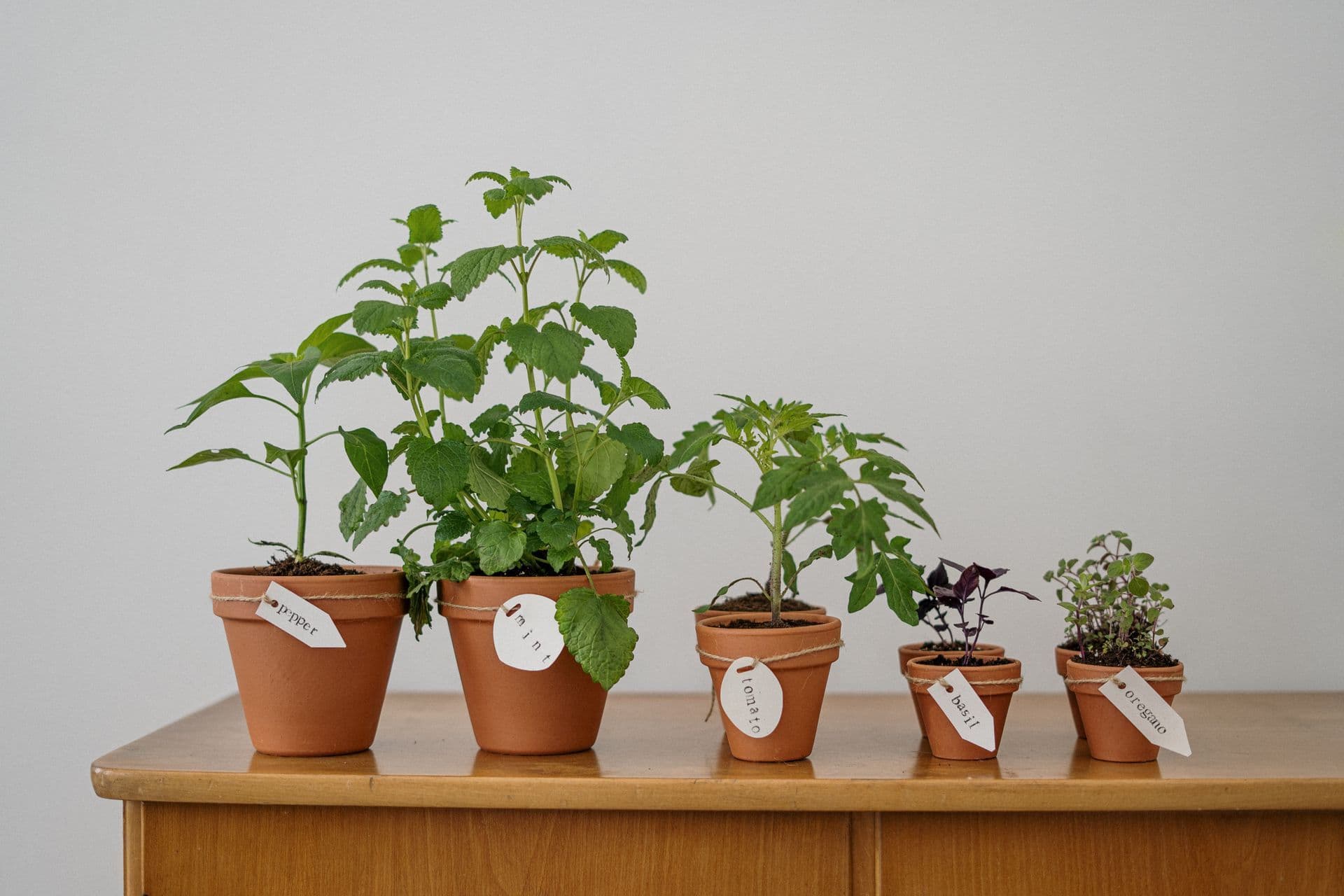
Plant pot sizes can be confusing because the number on the label only tells you part of the required information. A container may look spacious but actually be too shallow. So, how to choose pot size for plant species?

7 min read · 22 Jul 2026
Curious which fruits the world actually eats the most? Here's the top-20 by production volume, an overview of what people choose in each region, and a few figures that defy common assumptions.