




5 min read · 11 Sept 2026
Top 5 Best Indoor Plants for Air Quality
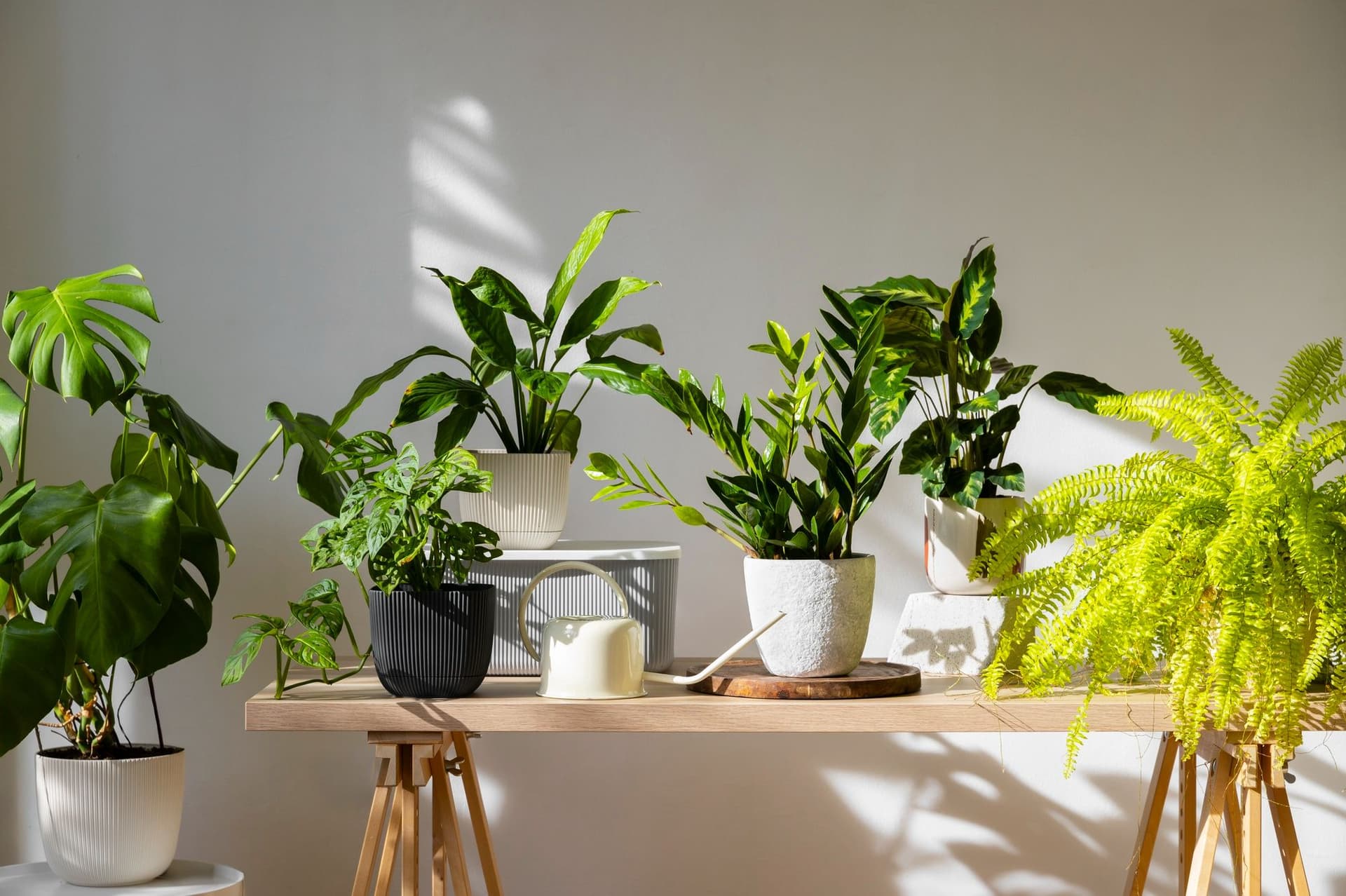
Indoor plants can make a room feel fresher thanks to their air-purifying qualities. Here are 5 of the most suitable choices for your routine and living space.
Plant Recommendations


A loose, organic-rich, well-drained mix helps Ficus microcarpa 'Ginseng' maintain healthier roots and steadier overall growth.

Soil Texture
Loamy, Sandy, Organic-rich

Soil pH
Acidic (5.5–6.5), Slightly acidic (6.5–7.0)

Soil Drainage
Moist but well-drained
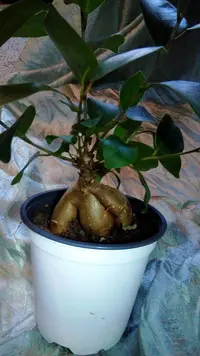
Native to tropical and subtropical Asia, this tree grows in warm, humid conditions where roots have access to air as well as steady moisture. That background explains why the best soil for Ficus microcarpa 'Ginseng' is loose, moisture-retentive, and still quick to drain.
Its thick, swollen roots store some moisture, but the finer feeding roots still prefer oxygen around them. A loamy, slightly sandy, organic-rich substrate suits that balance well, holding enough water for even hydration while preventing heavy, compact conditions that can limit root function.
A simple homemade mix gives Ficus microcarpa 'Ginseng' the balance of airflow and moisture control it needs in a container.
The finished blend should feel springy and crumbly, hold some moisture, and let extra water pass through without turning dense.
Ficus microcarpa 'Ginseng' does best in slightly acidic to near-neutral soil, around 5.5–7.0 pH. That range helps roots access key nutrients like iron, manganese, and magnesium without making the mix too chemically limiting.
It can handle mild variation, but staying near the middle of that range usually supports the most even nutrient uptake over time.
This species can be sensitive to stale, compacted root conditions, especially in containers. Soil may be a factor worth checking when growth slows or the root zone stays unevenly damp.
Compacted mix: if the surface hardens and water stops soaking in evenly, gently loosen only the top layer and plan to replace the medium with a fresher, airier one.
Soggy root zone: if the container stays heavy for too long and the mix feels swampy, improve drainage and remove any material blocking water flow.
Hydrophobic soil: when very dry mix shrinks from the pot edge and sheds water, rewet it slowly in stages until the root ball absorbs moisture again.
Salt buildup: a crust on the surface or pot rim can point to mineral accumulation, so flush the mix thoroughly and avoid letting residue keep collecting.

Plant Soil Guide
Find the right soil mix for your plant and support healthier root growth
Botan helps match this plant to a more suitable soil setup, so texture and drainage choices are easier to judge.
Yes. Drainage holes help excess water leave the pot, which keeps the root zone from staying stagnant and makes it much easier to maintain a healthy potting soil for Ficus microcarpa 'Ginseng'.
A photo-based check can help show whether soil might be contributing to visible decline. Use Botan to look for likely care factors.

5 min read · 11 Sept 2026
Indoor plants can make a room feel fresher thanks to their air-purifying qualities. Here are 5 of the most suitable choices for your routine and living space.
7 min read · 30 Jul 2026
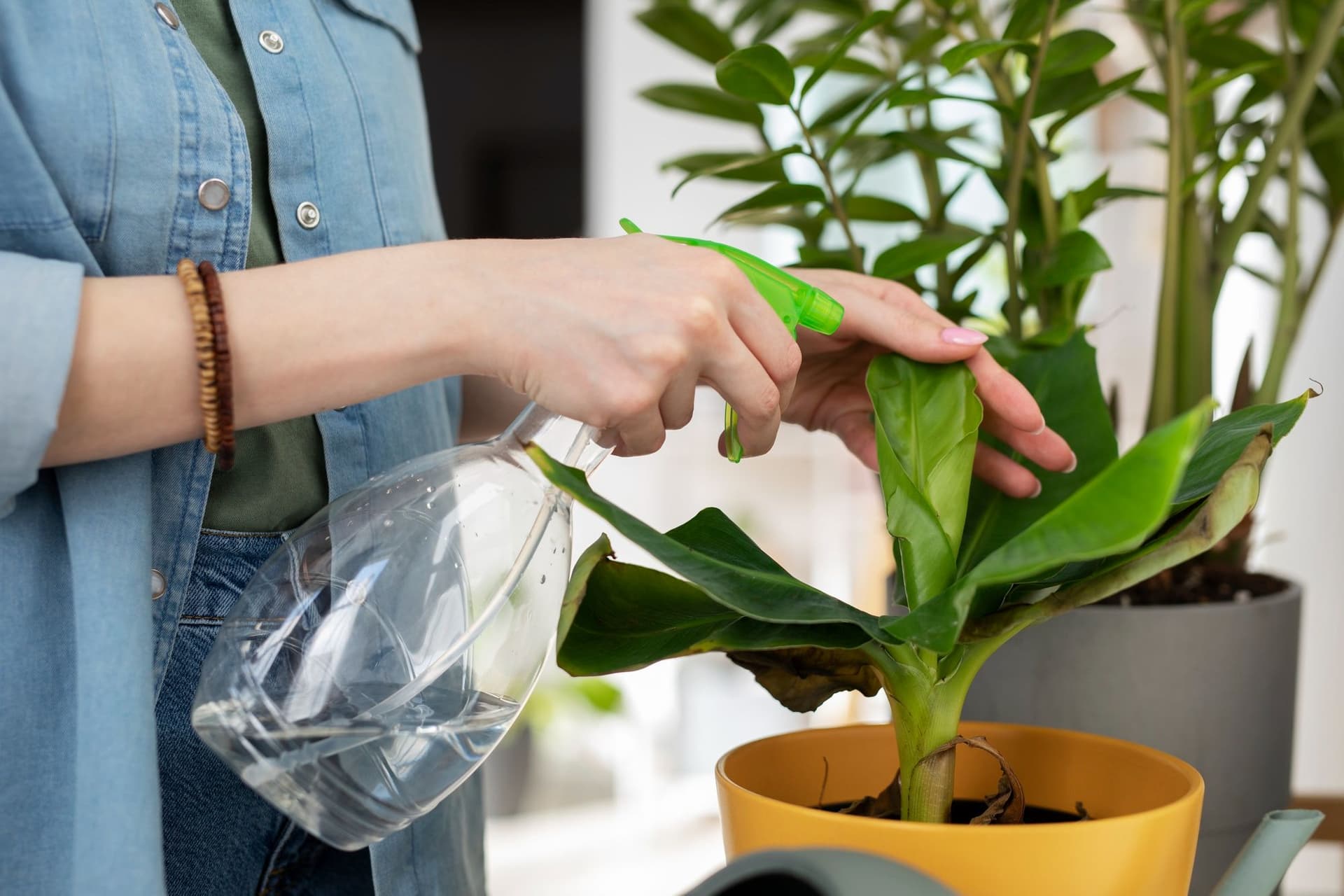
Find out when misting works well and when to avoid it. Here, you’ll find detailed information about compatible and incompatible species, tips on how often to mist plants and do it correctly, and some great alternatives for raising humidity.

7 min read · 4 Nov 2026
A backyard pumpkin patch starts months before the first leaves turn: the harvest that ends up on the porch in October is decided by what a gardener does in late spring.