





5 min read · 11 Sept 2026
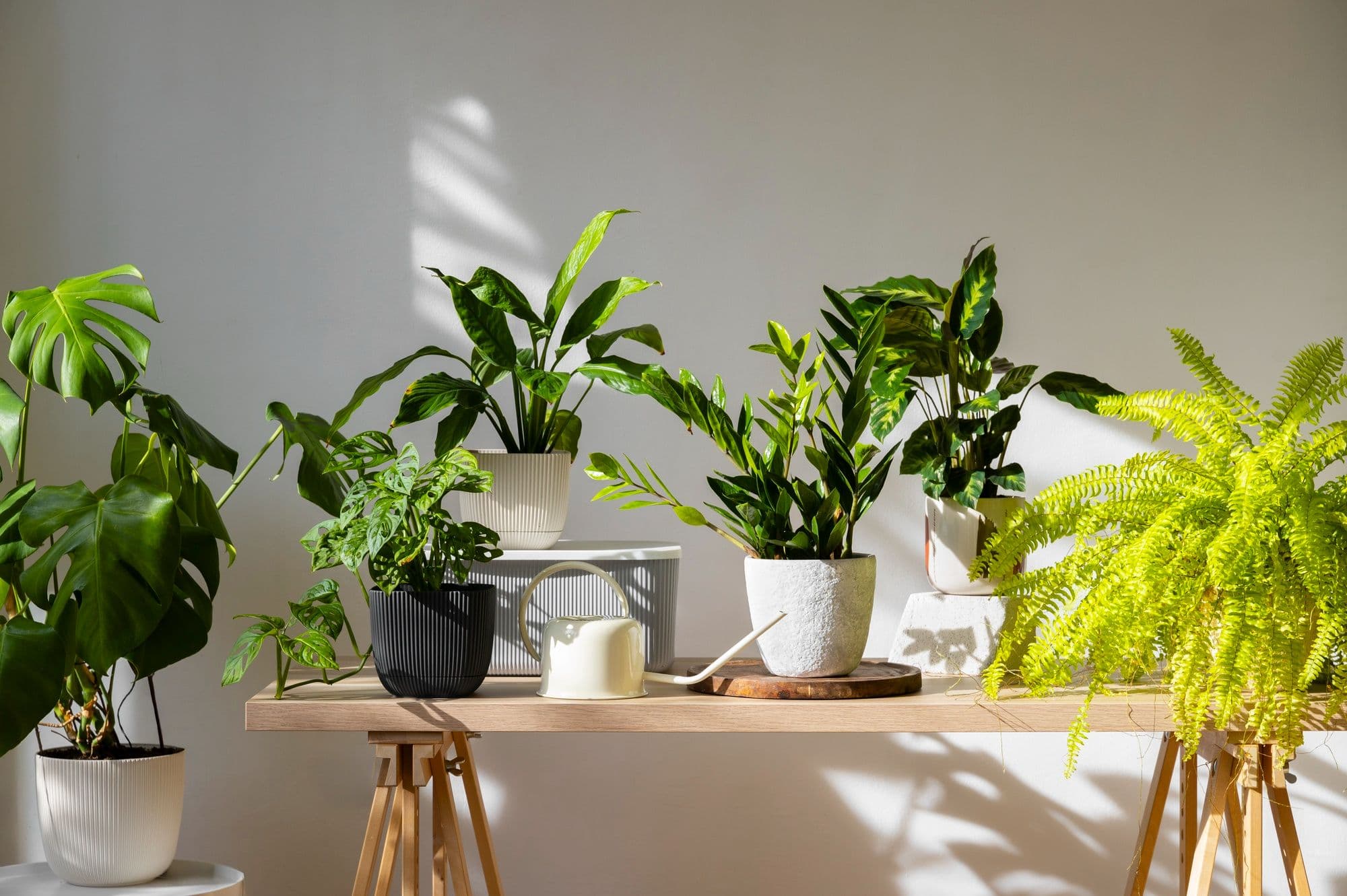
Top 5 Best Indoor Plants for Air Quality
Indoor plants can make a room feel fresher thanks to their air-purifying qualities. Here are 5 of the most suitable choices for your routine and living space.
Plant Recommendations

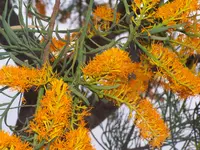
Prunus amygdalus grows best in loose, well-drained soil with a balanced pH that supports healthy root development and steady growth.

Soil Texture
Sandy, Loamy, Rocky

Soil pH
Slightly acidic (6.5–7.0), Slightly alkaline (7.0–7.5)

Soil Drainage
Well-drained

Native to parts of western and central Asia, Prunus amygdalus comes from dry, open landscapes where water moves through the ground quickly. That background explains why Almond soil should feel loose and airy rather than dense or wet for long periods.
The best soil for Almond is well-drained sandy, loamy, or rocky ground with moderate moisture retention and good mineral content. Its roots benefit from oxygen around them, so a porous structure supports steady growth while still holding enough moisture for uptake between waterings.
A homemade mix can give Prunus amygdalus the balance of airflow, structure, and moderate moisture retention it needs in containers.
The finished blend should feel crumbly and gritty, not tight or muddy, and water should pass through evenly without leaving the root area soggy.
A good target is 6.5–7.5 pH. Almond prefers slightly acidic to slightly alkaline soil, close to neutral, where key nutrients stay available without becoming harder for roots to absorb.
Prunus amygdalus can handle a fairly narrow shift around neutral, but strongly acidic or strongly alkaline conditions may reduce uptake of minerals such as iron and phosphorus over time.
Root health can decline when the soil environment stays out of balance for too long. Almond is especially less tolerant of stagnant root conditions than many container-grown species.
Compacted soil: if the surface crusts and water sits instead of sinking in, gently loosen the top layer and improve air space in the root zone.
Waterlogged root area: a potting medium that stays heavy for days can stress roots, so pause extra watering and check that excess moisture can escape freely.
Nutrient lockout: when growth slows despite regular care, test the root zone to see whether pH may be limiting nutrient uptake.
Breakdown of old mix: as older material turns fine and dense, replace part or all of it with a fresher, more open blend.

Plant Soil Guide
Find the right soil mix for your plant and support healthier root growth
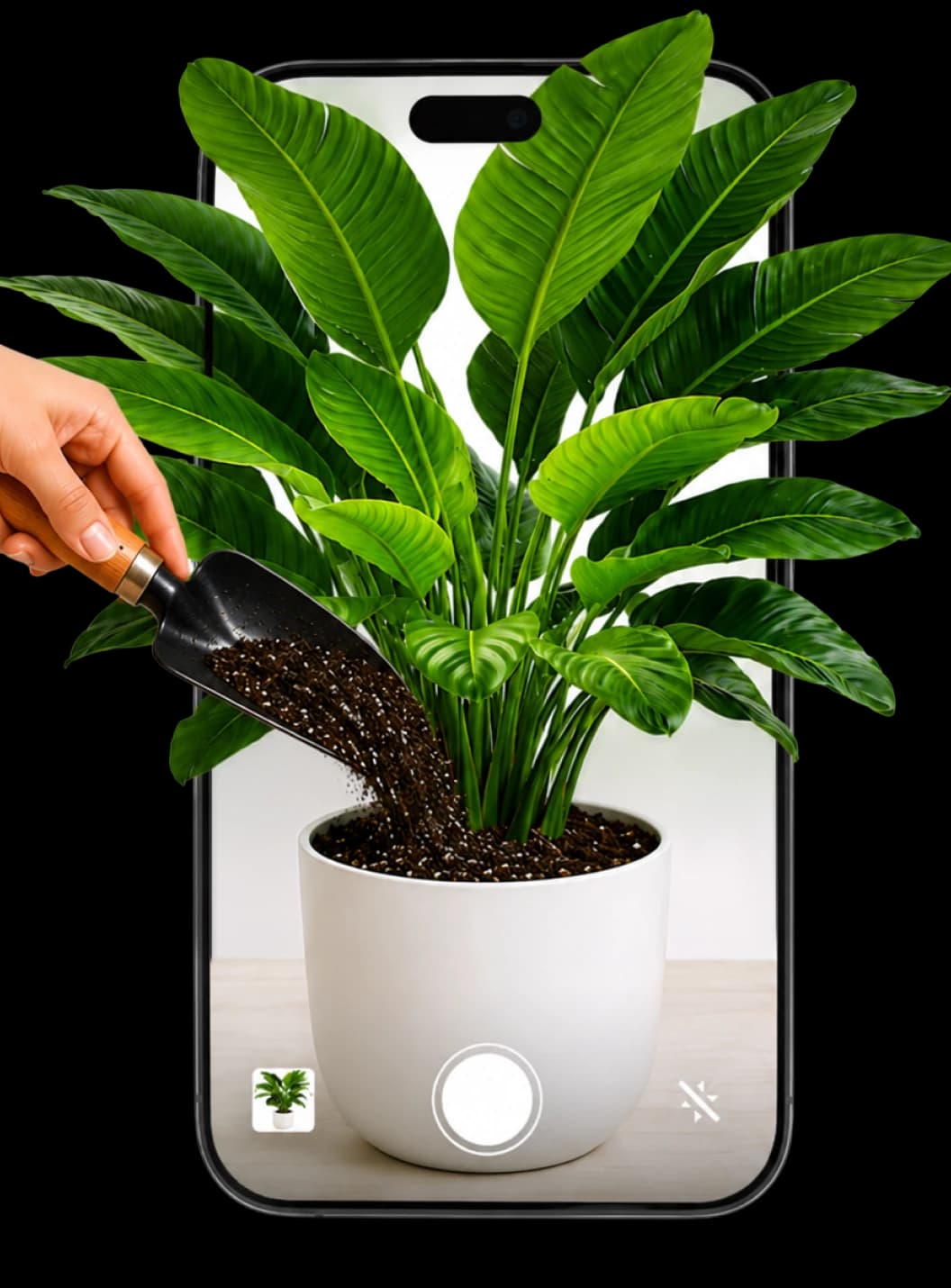
Botan helps match this plant to a more suitable soil setup based on its growth habits and the conditions shown in your photos.
Yes. Drainage holes are important because this species handles excess moisture poorly around the roots. They allow water to leave the container instead of collecting in the lower soil layer.
If growth looks off, the app can help check whether soil conditions may be part of the issue. A photo-based assessment adds useful context.
5 min read · 11 Sept 2026
Indoor plants can make a room feel fresher thanks to their air-purifying qualities. Here are 5 of the most suitable choices for your routine and living space.

6 min read · 8 Sept 2026
Frozen and fresh vegetables are nutritionally comparable: frozen produce often retains vitamins just as well as fresh and may sometimes contain more. Here’s how blanching and storage affect nutrients—and when to choose each.

10 min read · 7 Jul 2026
Bamboo grows extremely fast: some species can reach 5-6 m in just 3-4 months under the right conditions. This guide explains how much bamboo can grow per day, week, and year, and what affects its growth rate.