Best Soil for black walnut (Juglans nigra)

Juglans nigra grows best in soil with balanced texture, steady drainage, and a slightly acidic reaction that supports healthy root expansion.

Soil Texture

Loamy, Sandy, Clay

Soil pH

Acidic (5.5–6.5), Slightly acidic (6.5–7.0)

Soil Drainage

Moist but well-drained

Juglans nigra Soil Guide

Native to eastern and central North America, Juglans nigra grows in deep soils along bottomlands, stream corridors, and lower slopes. Those settings help explain the best soil for black walnut: soil that stays evenly moist but still drains well, with enough air space for steady root growth.

Loam is often the most suitable texture, though black walnut can also grow in sandy or clay soils when moisture and drainage stay balanced. Its strong, deep-reaching root system benefits from soil with good structure, moderate organic matter, and slight acidity, which supports water access without keeping roots waterlogged.


A homemade mix can give Juglans nigra a steadier balance of airflow, moisture retention, and support than a heavy one-note bagged soil.

100% total mix = 20 scoops
15%
perlite or pumice3 scoops
20%
coarse sand4 scoops
25%
compost5 scoops
40%
loam-based topsoil8 scoops

The finished blend should feel crumbly, substantial, and easy to spread by hand, with water moving through evenly instead of pooling on the surface.

Soil issues often show up gradually in this large-rooted species. Check the root zone first when growth seems less vigorous than expected.

Compaction:

Compaction: Dense ground limits air around roots and can slow establishment, so loosen the surrounding soil area and reduce foot traffic nearby.

Poor drainage:

Poor drainage: Water sitting in the root zone for long periods can stress black walnut, so improve runoff or shift excess soil away from low spots.

Surface crusting:

Surface crusting: A hard top layer can reduce airflow and slow water entry, so gently break the crust and add a light organic top layer.

Crowded rooting area:

Crowded rooting area: Nearby roots or dense planting can increase below-ground competition, so clear some space around the base if possible.

Scan for Better Soil

Botan can help assess the plant and guide a more suitable soil choice based on how it is growing and what conditions it is in.

FAQ

Yes. It helps to loosen a broad planting area, remove construction debris, and check how quickly water moves through the site. Preparation matters most where soil is compacted or heavily disturbed.

Everything About black walnut

More Plant Soil Guides

Check Your Soil Choice

If growth or leaf condition seems off, Botan’s photo-based assessment can help you check whether soil may be one factor worth reviewing.

Botan app helping with soil and plant care
How to Group Plants in Landscaping: A Practical Layout Guide

8 min read · 31 Aug 2026

How to Group Plants in Landscaping: A Practical Layout Guide

Good plant grouping can mean the difference between a well-planned garden and one that looks sloppy. This guide explores layers, spacing, cluster shapes, and the plants that thrive when you group them.

Plant Care
How to Group Plants in Landscaping: A Practical Layout Guide
Is Sugar Water Good for Plants?

4 min read · 14 Sept 2026

Is Sugar Water Good for Plants?

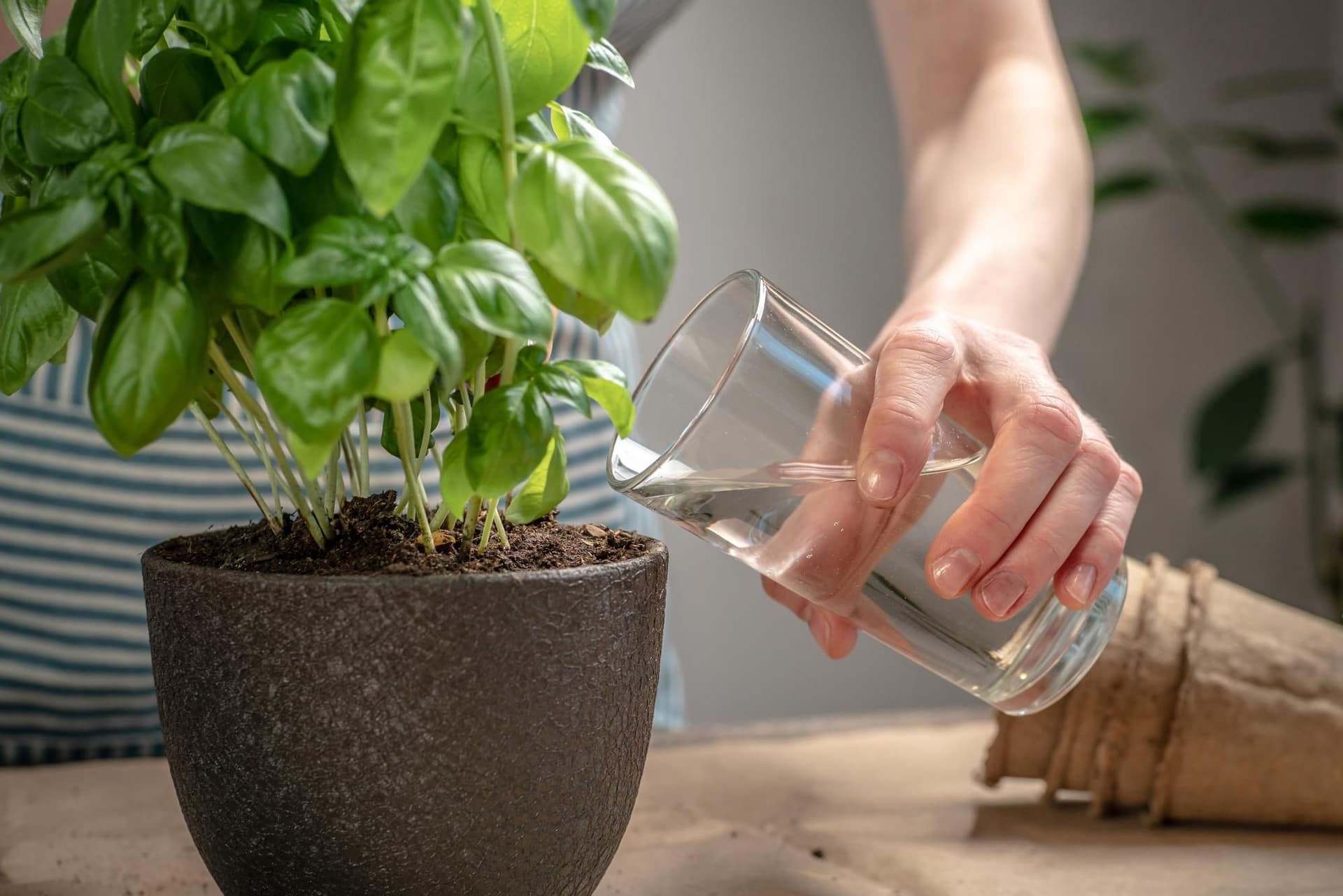
Sugar water may sound like an easy boost, but most rooted plants do not need extra sucrose. This guide explains how green tissues produce carbohydrates, when a sweetened solution can be useful, and why too much can cause problems.

Plant Care
Is Sugar Water Good for Plants?
How to Winterize Your Garden in 6 Steps

5 min read · 28 Sept 2026

How to Winterize Your Garden in 6 Steps

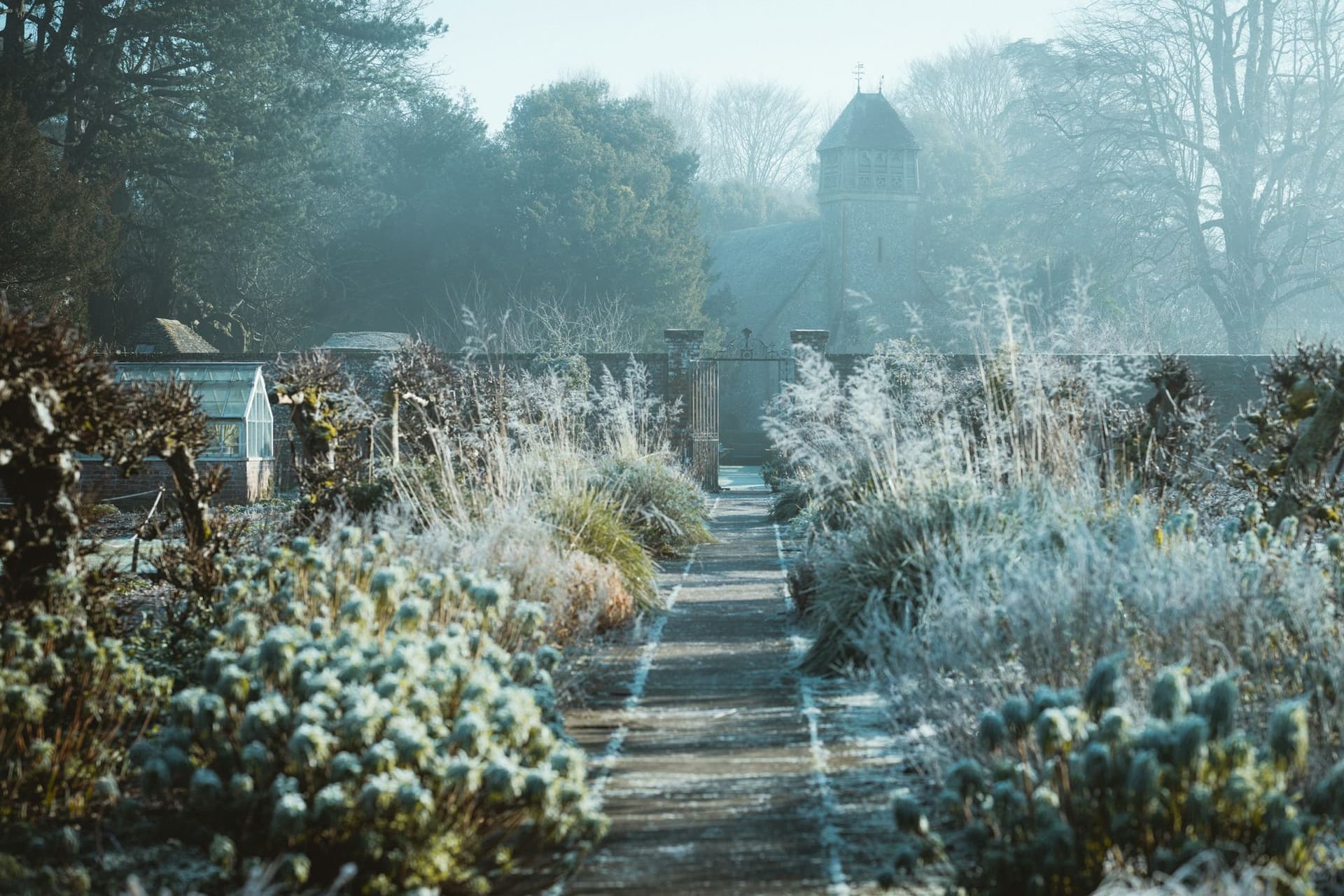
Learn how to prepare your garden for winter with a practical six-step checklist covering cleanup, tender plant care, watering, mulching, winter protection, and winterizing equipment and containers.

Plant Care
How to Winterize Your Garden in 6 Steps