6 min read · 19 Aug 2026
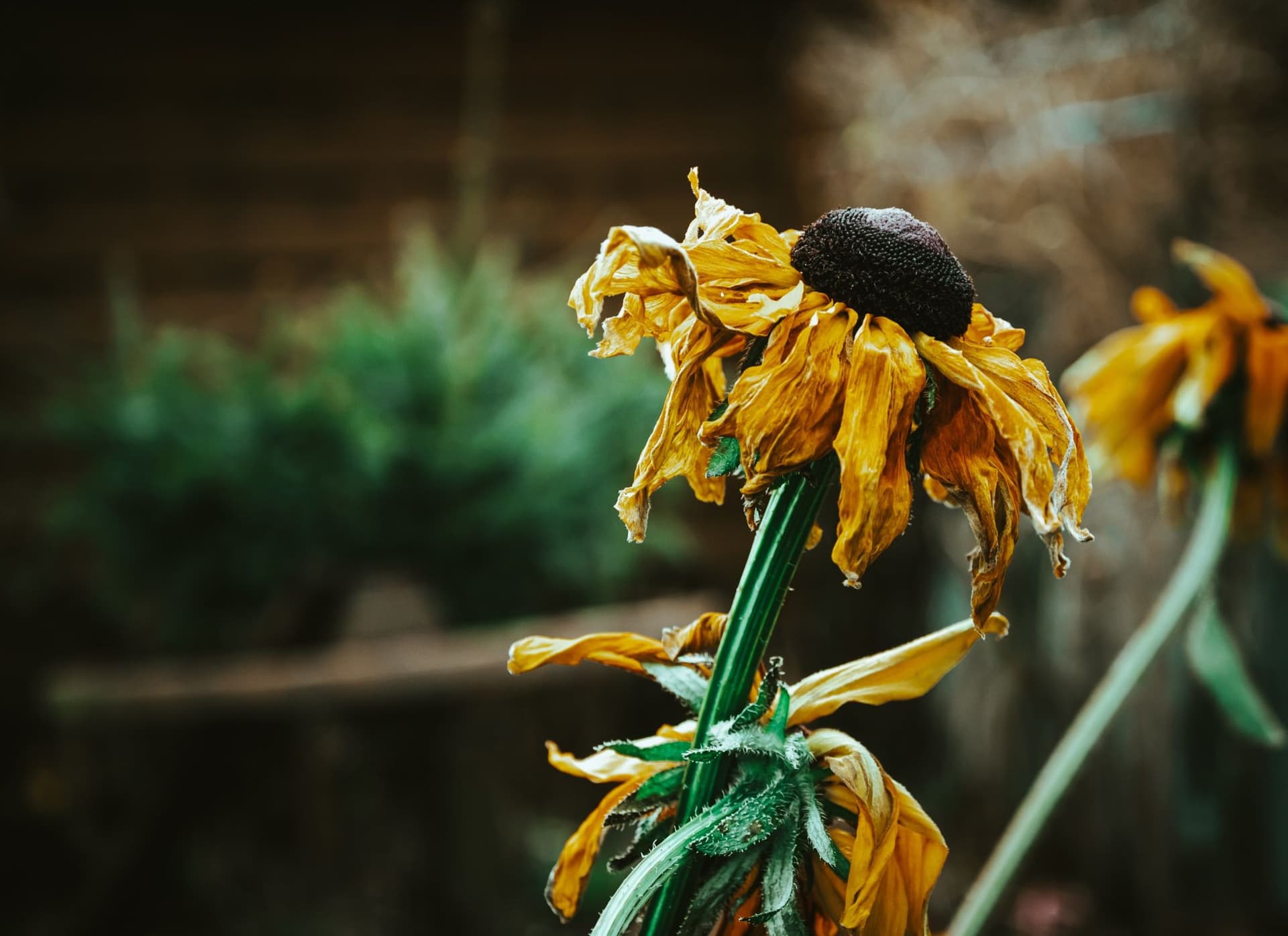
How to Tell if a Plant Is Dead
A plant can lose its leaves, stop growing, or collapse and still remain alive. A closer look at the stems, roots, bulbs, and tubers can show whether the plant still has a chance to recover.

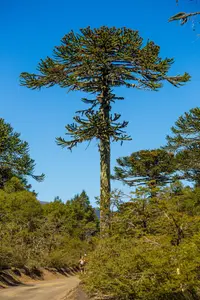
Araucaria araucana grows best in loose, well-drained, slightly acidic soil that supports steady root development and long-term health.

Soil Texture
Sandy, Loamy, Organic-rich

Soil pH
Strongly acidic (4.5–5.5), Acidic (5.5–6.5)

Soil Drainage
Well-drained

Native to south-central Chile and adjacent Argentina, Araucaria araucana grows in cool mountain landscapes where soils are often loose, acidic, and well drained. That background helps explain why Monkey puzzle tree soil should hold some moisture and organic matter without staying dense or wet.
A sandy or loamy texture suits its root system because it allows steady airflow and easy movement of water through the soil profile. The best soil for Monkey puzzle tree feels open rather than compacted, with enough organic content to buffer moisture while still draining freely.

A homemade mix helps balance drainage and moisture for Araucaria araucana in containers. Use simple parts that create structure without turning heavy.
The finished blend should feel crumbly and airy, hold slight moisture, and let excess water pass through without staying soggy.
Monkey puzzle tree prefers acidic soil, with an ideal range around 5.0–6.5 pH. That range helps key nutrients stay available without pushing the root zone too far toward imbalance.
Araucaria araucana can handle some variation within that acidic range, but strongly alkaline soil may gradually limit nutrient uptake. If pH is uncertain, a simple soil test gives a clearer starting point than guessing.
This species can be slow to recover from root stress, so soil issues are worth checking early. Look for patterns, then make one measured adjustment at a time.
Compacted soil: If the surface hardens and water lingers near the root zone, gently loosen the top layer and replace part of the mix with a more open medium.
Poor drainage: A container that stays wet for long periods can strain roots, so check for blocked drainage holes and move the plant into a freer-draining setup if needed.
Salt buildup: White crust on the soil surface may come from minerals in water or leftover fertilizer, so scrape off the crust and flush the soil thoroughly once.
Spent organic mix: Older Monkey puzzle tree soil may shrink and lose structure over time, so refresh the upper portion or replace the mix if it no longer drains evenly.

Plant Soil Guide
Find the right soil mix for your plant and support healthier root growth
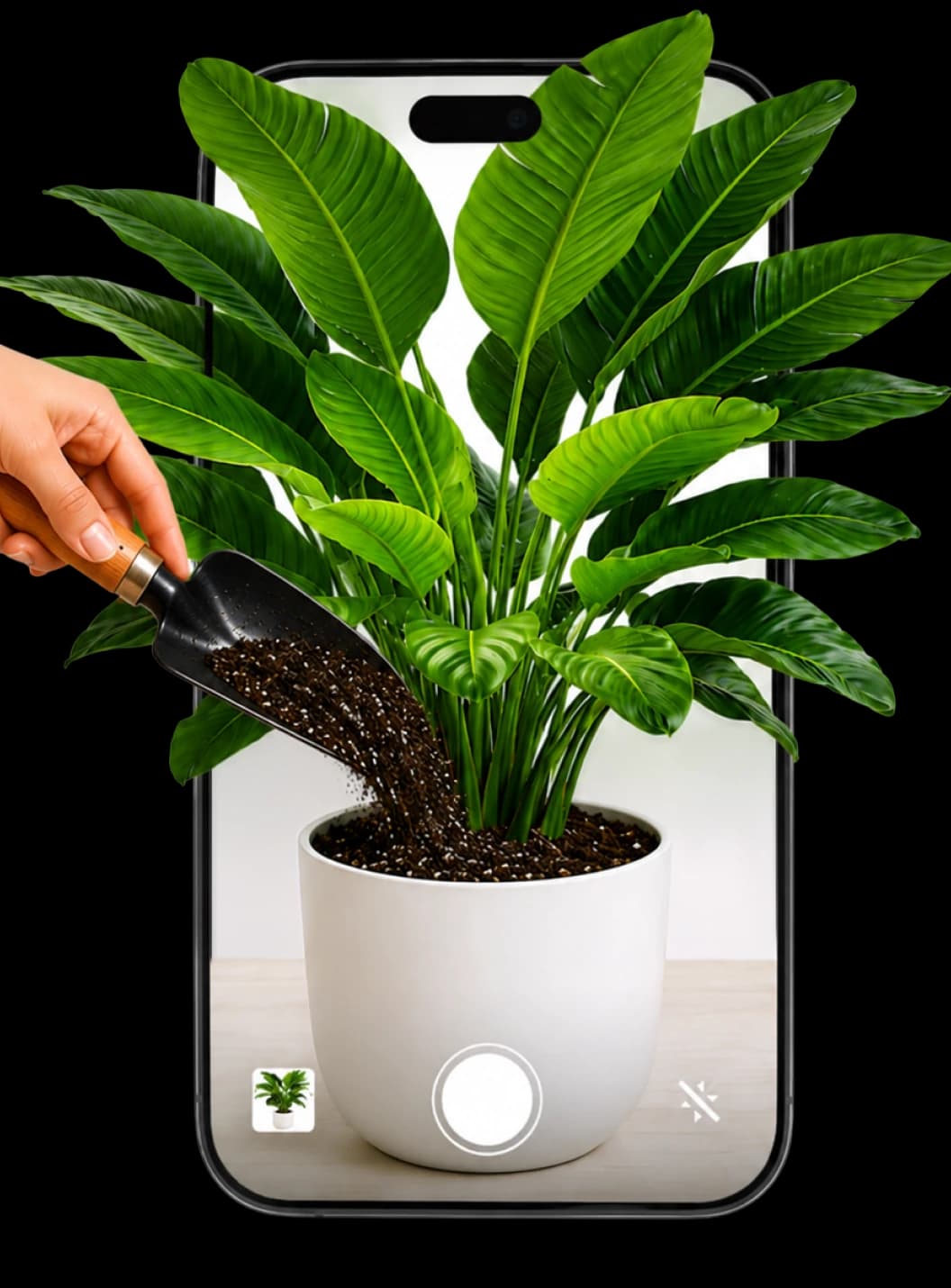
Botan helps match this plant to a more suitable soil setup, so it is easier to choose a mix that supports healthier roots.
Yes. Drainage holes help excess water leave the root zone instead of collecting at the bottom, which keeps the mix more stable and lowers the risk of prolonged soggy conditions.
Use Botan’s photo-based assessment to check whether a visible problem may be linked to soil conditions. It helps narrow down what to inspect next.


6 min read · 19 Aug 2026
A plant can lose its leaves, stop growing, or collapse and still remain alive. A closer look at the stems, roots, bulbs, and tubers can show whether the plant still has a chance to recover.

8 min read · 8 Jul 2026
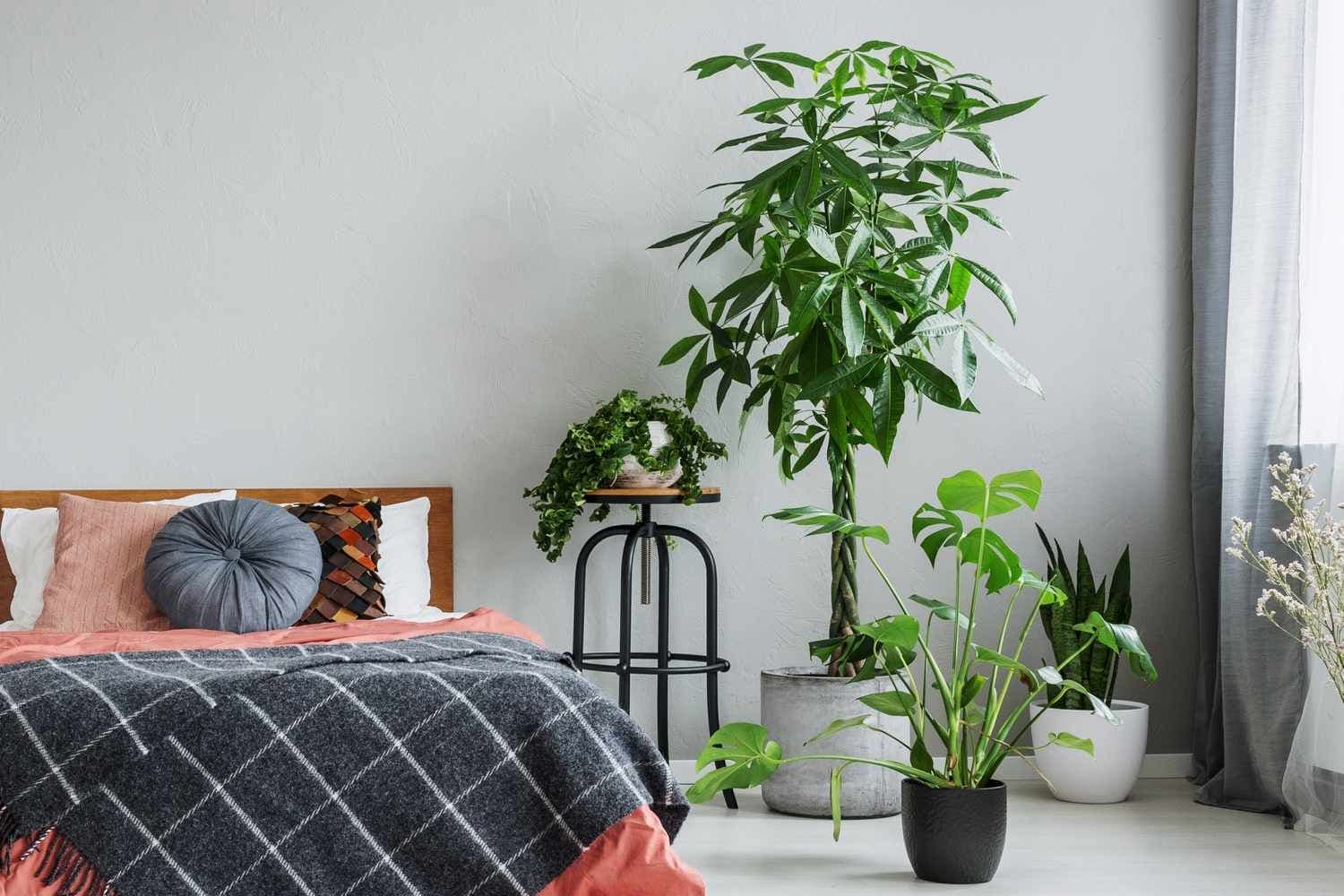
Discover the top 10 houseplants that are suitable for growing in your bedroom. Compare their light and water needs, pet safety, and benefits. Find out where best to place greenery in your relaxation space and what species to avoid.

12 min read · 7 Aug 2026
A front yard tree can stay for decades. Therefore, choosing one deserves serious consideration. Here are 13 trees that have proven themselves, sorted by their purpose. You'll also find five species to avoid and basic planting information.