


Plan mature spacing
Allow at least 6–9 m clearance from buildings, power lines, and other trees, as this species develops a very wide crown and dropping branches can be heavy and hazardous.

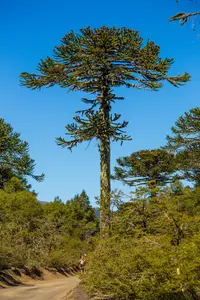
The monkey puzzle tree, Araucaria araucana, is an ancient conifer known for its stiff, spiny, triangular leaves spiraling around strong, upright branches. It forms a bold, architectural silhouette that becomes more open and sculptural with age.
This species is native to cool, moist mountain regions of Chile and Argentina, where it grows on volcanic slopes. It is long-lived and slow to moderate in growth, which makes large specimens a long-term commitment.
Monkey puzzle trees prefer full sun, good air circulation, and well-drained but evenly moist soil. Their size, sharp foliage, and need for space make them better suited to large gardens than small yards, and this affects how to care for Monkey puzzle tree over time.

Care Difficulty
Moderate Care

Light Preference
Full Sun

Water Requirements
Moderate Water

Temperature Preference
Cold Hardy

Hardiness Zone
7–10

Soil Texture
Sandy, Loamy, Organic-rich

Soil pH
Strongly acidic (4.5–5.5), Acidic (5.5–6.5)

Soil Drainage
Well-drained

Fertilization
Minimal (feed rarely)
Scan your plant to receive care tips personalized for your specific plant
Available on iOS and Android
This slow-growing conifer prefers cool, bright conditions with consistent light exposure.
This species prefers evenly moist but not saturated soil, especially during its establishment phase.
This hardy conifer thrives in cool to mild climates with distinct seasons.
This species tolerates a wide humidity range and rarely needs special humidity management outdoors.
Araucaria araucana prefers deep, well-structured mineral soil that stays evenly moist but never waterlogged.
This species can be grown in containers while young, but long-term cultivation is challenging due to its eventual size and weight.
Nutrient needs for Araucaria araucana are modest, especially once established in the ground.
Pruning Araucaria araucana is limited and mainly corrective, as the tree naturally forms a strong architectural shape.
Container cultivation of Araucaria araucana is temporary, with early transplanting into a permanent outdoor site preferred.
Propagation of Araucaria araucana is usually done from seed and is relatively slow, requiring patience and stable conditions.
Mature Araucaria araucana is generally cold hardy in suitable climates but benefits from some winter care when young or container-grown.

Plant Health Check
Not sure what's wrong with your plant? Check your plant's health inside the app.
This species belongs to a very ancient conifer lineage that was already present in the time of the dinosaurs, and its overall form has changed little in tens of millions of years according to fossil evidence.
The large seeds, often called piñones, are an important traditional food for Indigenous Mapuche and Pehuenche communities in Chile and Argentina, who gather them from natural stands and value them as a starchy staple.
Individual trees are usually either male or female, producing only pollen cones or only seed cones, so a population requires both sexes in reasonable proximity for successful natural seed production.

Natural populations of this species are now classified as Endangered on the IUCN Red List due to historical logging, overharvesting of seeds, and habitat loss, even though it is widely planted as an ornamental tree in temperate regions far from its native range.
Growth is slow, especially in the first years. Young plants typically add about 15–30 cm in height per year, sometimes less. Growth rate increases slightly once roots establish deeply and conditions remain consistently cool, moist, and bright.
Keep your plants happy and healthy with plant identification, disease detection, and easy care guidance.

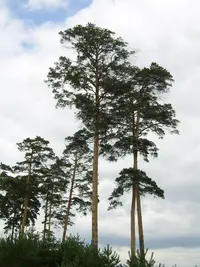
Japanese Red Pine
Pinus densiflora
 POPULAR
Norfolk Island Pine
Araucaria heterophylla
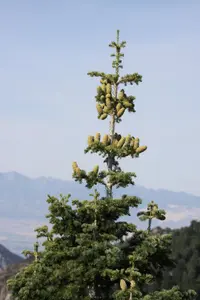
white fir
Abies concolor
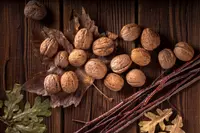
Northern California walnut
Juglans hindsii
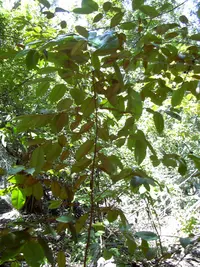
satinleaf
Chrysophyllum oliviforme
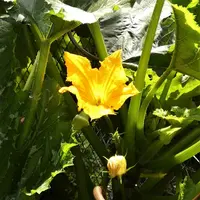
Cucurbita pepo var. giromontiina
Cucurbita pepo var. giromontiina
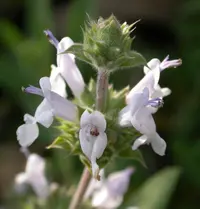
black sage
Salvia mellifera
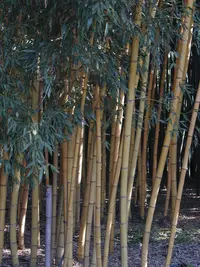
sulphur bamboo
Phyllostachys sulphurea