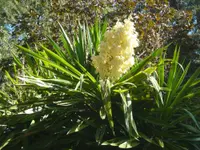
Best Soil for Spineless yucca (Yucca gigantea)

Yucca gigantea grows best in loose, fast-draining soil that supports healthy roots and prevents long periods of trapped moisture.

Soil Texture

Sandy, Loamy, Rocky

Soil pH

Slightly acidic (6.5–7.0), Slightly alkaline (7.0–7.5)

Soil Drainage

Well-drained

Yucca gigantea Soil Guide

Native to Mexico and Central America, Yucca gigantea grows in warm areas where soil drains quickly and stays open around the roots. That background explains why Spineless yucca soil should feel airy and mineral-rich rather than dense or moisture-holding.

Its root system benefits from sandy, loamy, or slightly rocky soil because those textures improve oxygen flow and reduce long periods of wetness. The best soil for Spineless yucca is well drained with a neutral-leaning reaction, which suits steady root function and supports the plant’s drought-tolerant growth habit indoors.


A homemade mix gives better control over texture and airflow than standard indoor potting soil. For Yucca gigantea, aim for a lean blend that dries evenly.

100% total mix = 20 scoops
10%
fine bark2 scoops
20%
perlite or pumice4 scoops
30%
coarse sand6 scoops
40%
cactus mix or potting soil8 scoops

The finished blend should feel gritty, light, and open, with water moving through promptly instead of lingering around the root zone.

A slightly acidic to slightly alkaline range of about 6.5–7.5 suits Spineless yucca well. This keeps key nutrients reasonably available without pushing the root zone too far toward either extreme.

The species is fairly tolerant within that window, but strongly acidic or highly alkaline conditions can limit how efficiently roots take up nutrients over time.

This species is more sensitive to staying wet too long than to brief dryness. Changes in stem firmness or soil behavior can be useful early clues.

Compacted mix:

If the surface hardens and water sits or runs down the pot edge, loosen the top layer gently and replace part of the mix with a more open one.

Sour soil smell:

A musty or stale odor often points to poor air flow around roots, so let the container dry more fully and check that excess water can leave freely.

Crusting top layer:

When the surface forms a dry crust, moisture may stop moving evenly, so break it up lightly and refresh the top section with cleaner, looser material.

Shifting or leaning cane:

A tall Yucca gigantea that wobbles in the pot may be sitting in mix that is too loose or shallow, so firm the surrounding soil gently and check container stability.

Find the Right Soil

Botan helps match this plant to a more suitable soil setup based on its growth habit, root needs, and container conditions.

FAQ

Yes. Drainage holes help excess water leave the container, which protects root air space and keeps the potting soil for Spineless yucca from staying wet too long.

Everything About Spineless yucca

More Plant Soil Guides

Soil Problem? Scan It.

A photo-based check can help show whether soil may be part of the issue. Botan can help you rule in or rule out common care-related causes.

Botan app helping with soil and plant care
How to Clean Plant Leaves: A Simple Care Guide

6 min read · 4 Aug 2026

How to Clean Plant Leaves: A Simple Care Guide

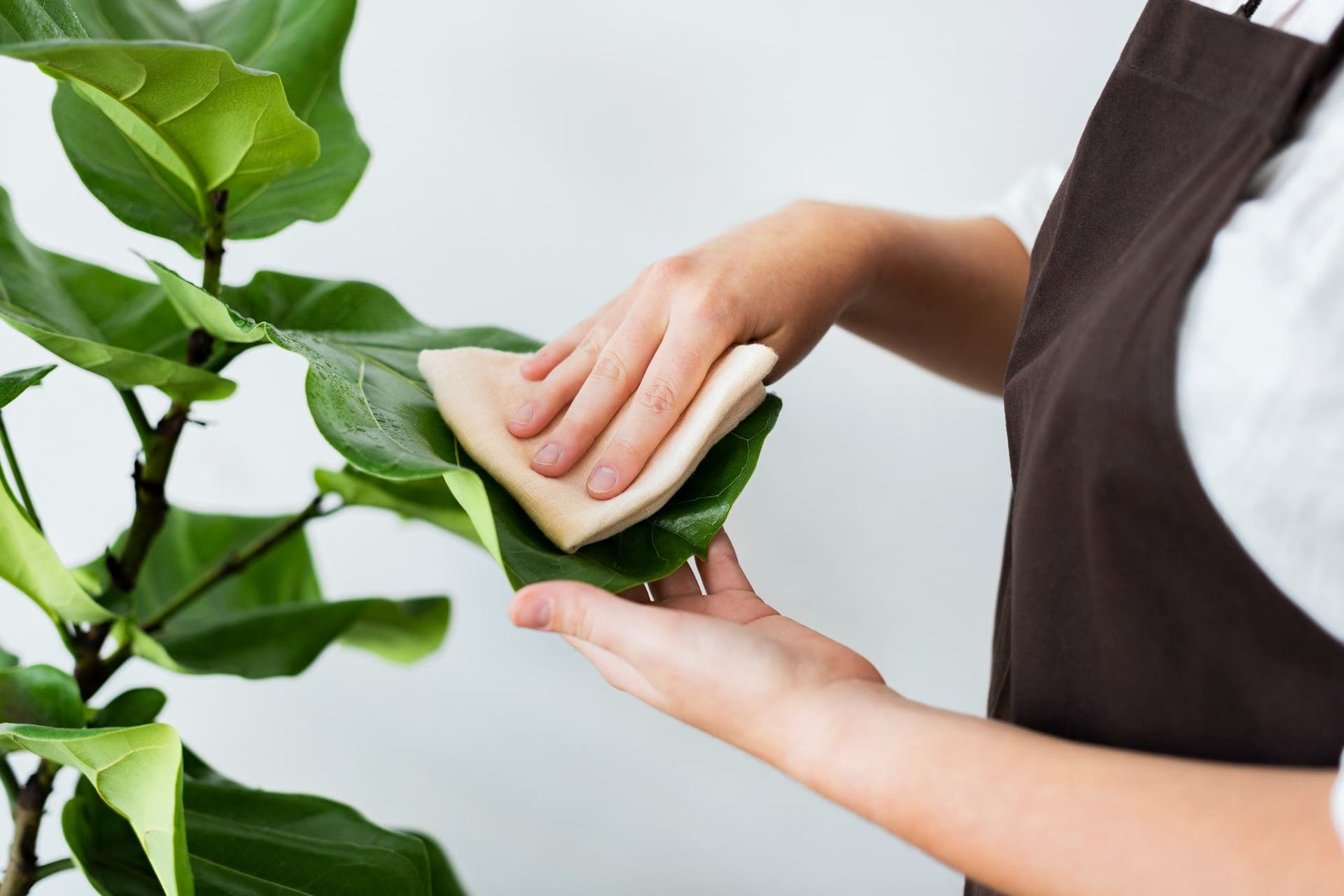
Dusty leaves look dull and don't absorb light well. Below, you'll find simple ways to clean them, which tools are truly effective, how often you should do it, and what causes damage.

Beginner Guides
How to Clean Plant Leaves: A Simple Care Guide
Top 15 Fast-Growing Trees For Your Garden

13 min read · 28 Jul 2026

Top 15 Fast-Growing Trees For Your Garden

Learn which of the 15 fastest-growing trees will suit your area. We’ll share detailed information on each: growth rate, mature spread, key tree demands, and main vulnerabilities. Read on and make the best choice possible.

Plant Recommendations
Top 15 Fast-Growing Trees For Your Garden
Best Fertilizer for Grass in Summer: How to Choose the Right One

6 min read · 18 Aug 2026

Best Fertilizer for Grass in Summer: How to Choose the Right One

The right fertilizer in summer can make a lawn thrive. The wrong one can damage it. Here, you’ll learn the best NPK ratios by grass type, when and how to apply your formula, and how to recognize the signs of over- or under-fertilizing.

Plant Care
Best Fertilizer for Grass in Summer: How to Choose the Right One