



Best Soil for beetroot (Beta vulgaris)

Loose, moisture-retentive, well-drained soil helps Beta vulgaris form smooth roots and maintain steady, healthy growth.

Soil Texture

Sandy, Loamy, Silty

Soil pH

Acidic (5.5–6.5), Slightly acidic (6.5–7.0)

Soil Drainage

Moist but well-drained

Beta vulgaris Soil Guide

Grown for its swollen taproot, beetroot needs loose soil that lets the root expand evenly without heavy resistance. The best soil for beetroot is sandy, loamy, or silty with good airflow and steady moisture, so roots can grow smoothly while still getting enough oxygen.

Beta vulgaris is native to the Mediterranean region and developed in areas with mineral soils that drain well but do not stay dry for long. That background helps explain its preference for moist but well-drained beetroot soil that holds some water yet stays open and crumbly rather than dense.

A simple homemade mix gives Beta vulgaris the balance of moisture retention and air space it needs for steady root development.

100% total mix = 20 scoops
10%
perlite or pumice2 scoops
20%
coarse sand4 scoops
30%
compost6 scoops
40%
screened topsoil or garden loam8 scoops

The finished mix should feel crumbly and easy to press apart, holding light moisture while letting excess water move through without staying soggy.

A good target is 5.5–7.0 pH, with slightly acidic soil often giving the most reliable nutrient availability. That range helps key nutrients stay accessible without creating strong imbalances in the root zone.

Beetroot tolerates a fairly modest pH span, but extremes can reduce how efficiently it takes up minerals from the soil. Keeping pH near the middle of that range supports steadier, more balanced growth.

Most soil issues show up first as slowed root development or uneven growth. With Beta vulgaris, checking texture and container drainage is often a useful first step.

Compacted soil:

Compacted soil: Dense, hard soil can restrict the enlarging root, so loosen the top layer gently and switch to a more open mix at the next planting.

Waterlogged roots:

Waterlogged roots: Soil that stays wet for long periods can limit oxygen around the root zone, so empty standing water and confirm the container drains freely.

Crusting surface:

Crusting surface: A hard surface layer can slow moisture entry and gas exchange, so break it up lightly without disturbing the root too deeply.

Stony or debris-filled soil:

Stony or debris-filled soil: Clods, stones, and woody pieces may distort root shape, so sift or screen the growing medium before planting.

Right Plant. Right Soil.

Botan helps match this plant to a more suitable soil setup, so texture and drainage choices are easier to get right.

FAQ

Yes. A deeper pot gives the root room to enlarge more evenly and helps reduce crowding in the lower soil layer. Shallow containers can limit shape and make moisture levels less consistent.

Everything About common beet

More Plant Soil Guides

Scan for Soil Problems

Use Botan’s photo-based assessment to check whether a visible issue may be linked to soil conditions and what to review next.

Botan app helping with soil and plant care
Dill Companion Plants – What to Grow Next to Dill

9 min read · 17 Jul 2026

Dill Companion Plants – What to Grow Next to Dill

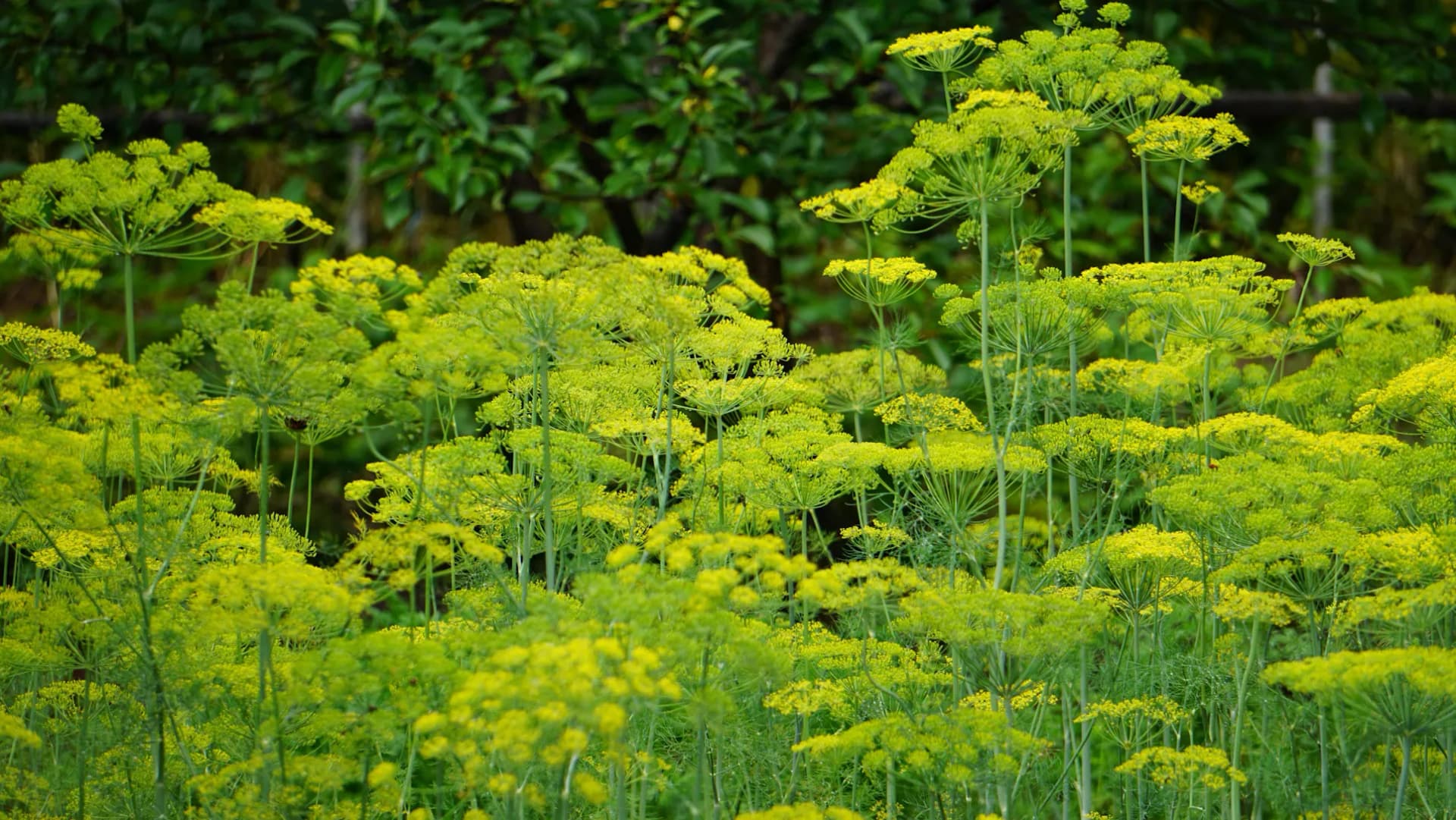
Dill is an easy-to-grow plant that gets along well with many vegetables. This guide describes 15 plants that can be planted alongside it, a few to avoid, and mistakes that can quietly sabotage the entire process.

Plant Recommendations
Dill Companion Plants – What to Grow Next to Dill
How Often to Water Fruit Trees

7 min read · 11 Aug 2026

How Often to Water Fruit Trees

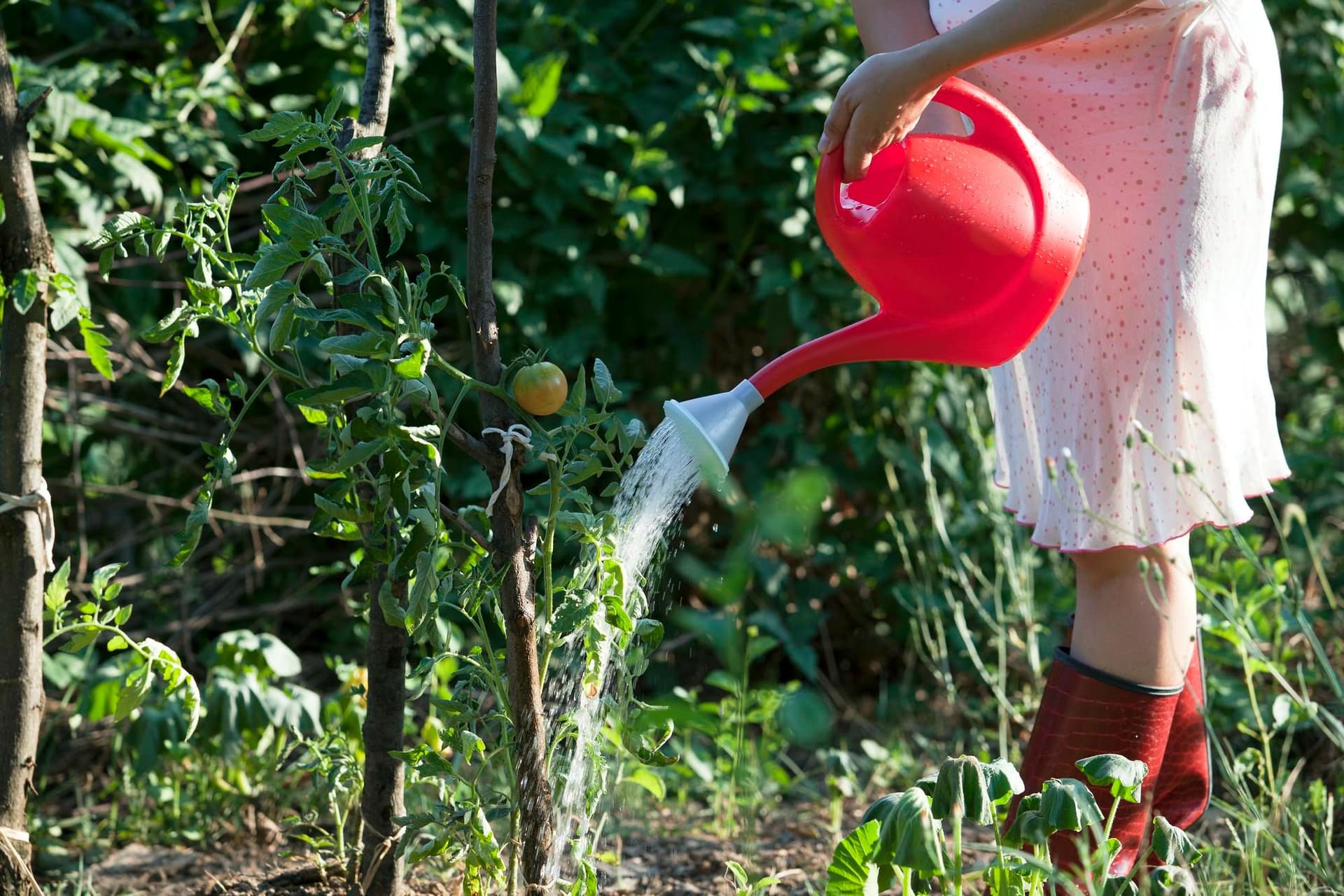
Irrigation needs change as roots establish and weather shifts. This guide gives practical starting intervals, explains how soil and tree type change them, and shows how to recognize both excess moisture and drought stress.

Plant Care
How Often to Water Fruit Trees
How to Bottom Water Plants: Complete Guide

6 min read · 13 Jul 2026

How to Bottom Water Plants: Complete Guide

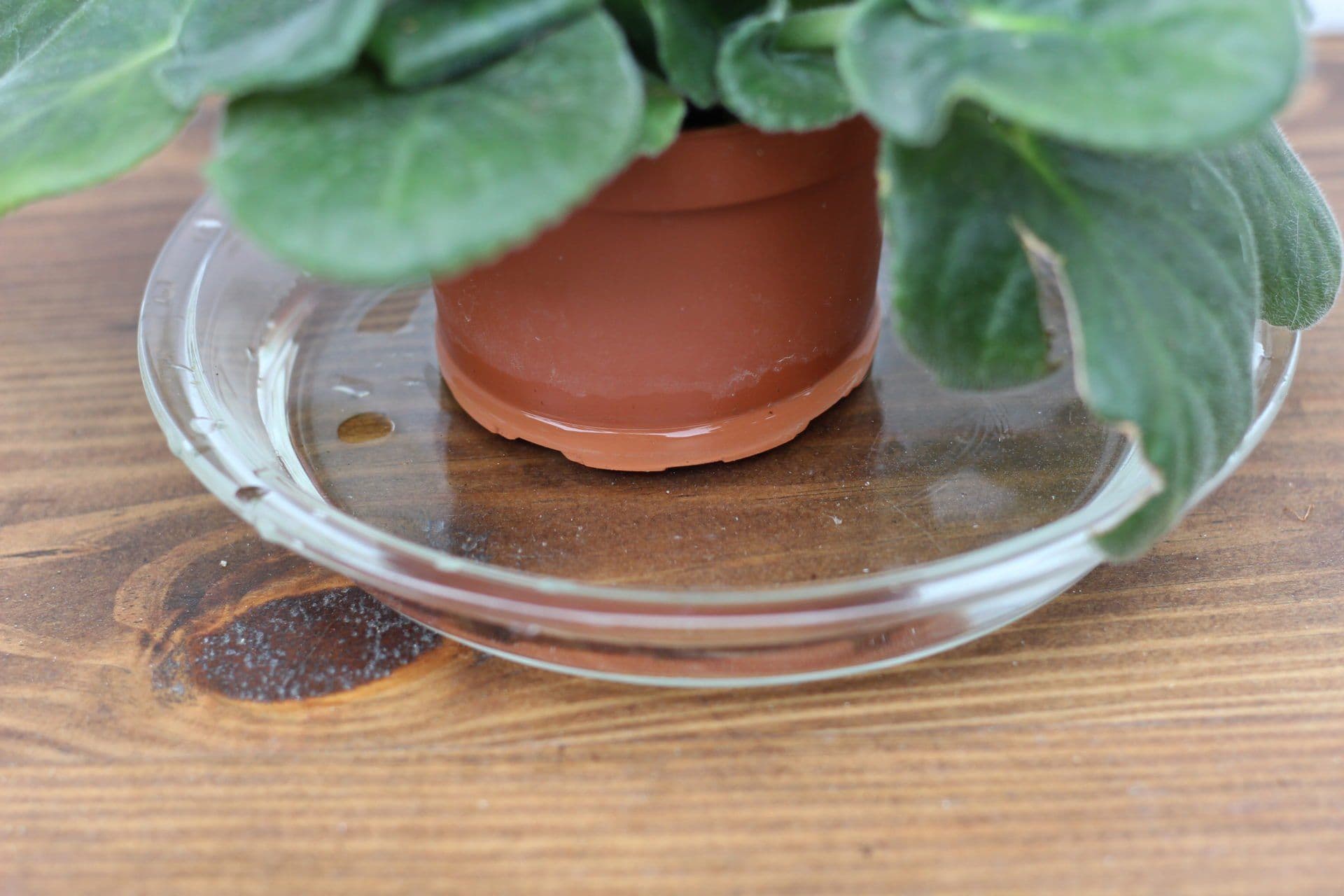
Bottom watering helps soil absorb moisture evenly and keeps foliage dry, reducing the risk of missed dry spots or root problems. Place the pot in a tray of water for a short time, then let it drain well.

Plant Care
How to Bottom Water Plants: Complete Guide