
common beet (Beta vulgaris) Watering Guide

This page explains when, how often, and how much to water common beet for steady, healthy growth.

Water Requirements

Regular Water

Beta vulgaris Watering

In the garden, watering common beet means matching its preference for steady, moderate moisture without prolonged sogginess. Beta vulgaris originates from temperate, seasonally moist habitats, so soil should not swing from very dry to saturated.

Outdoors, aim for even soil dampness that supports continuous root growth. In containers, moisture levels shift faster, so monitoring becomes more frequent while the overall approach stays the same.

Water when the top 1–2 inches (3–5 cm) of soil feel dry, which for in-ground common beet usually means about every 3–7 days in mild weather. Hot, windy conditions or very sandy soil can shorten this interval, while cooler temperatures or heavier soil tend to extend it.

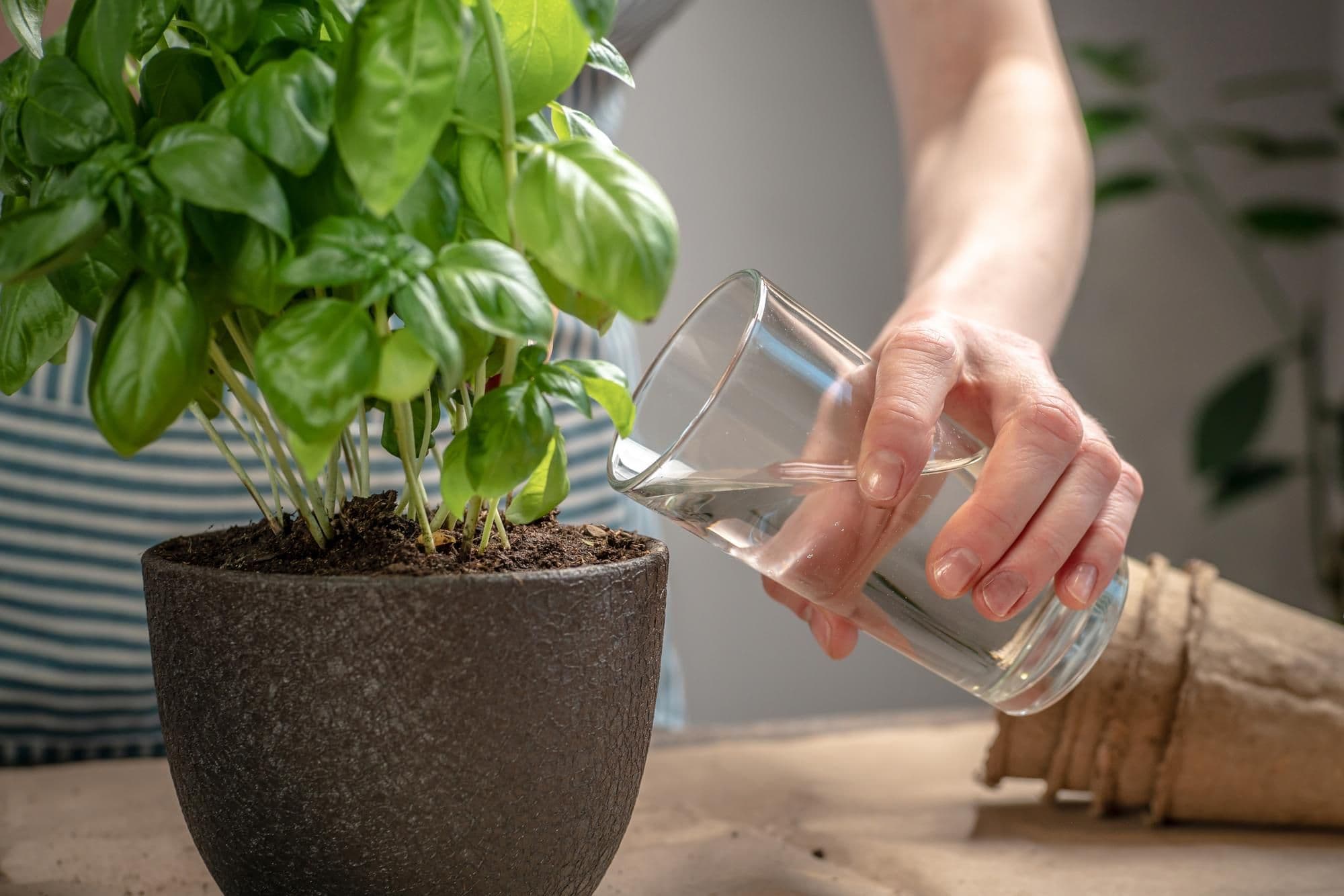
Water common beet when the top 1-2 inches (3-5 cm) of soil feel dry, using slow, even applications.

  • Direct water to the soil at the base of plants, keeping leaves, stems, and crowns as dry as possible.
  • Apply water slowly so it soaks 4-6 inches (10-15 cm) deep, fully moistening the main root zone.
  • Let excess water drain freely from beds or containers, and avoid leaving standing water around plant bases.
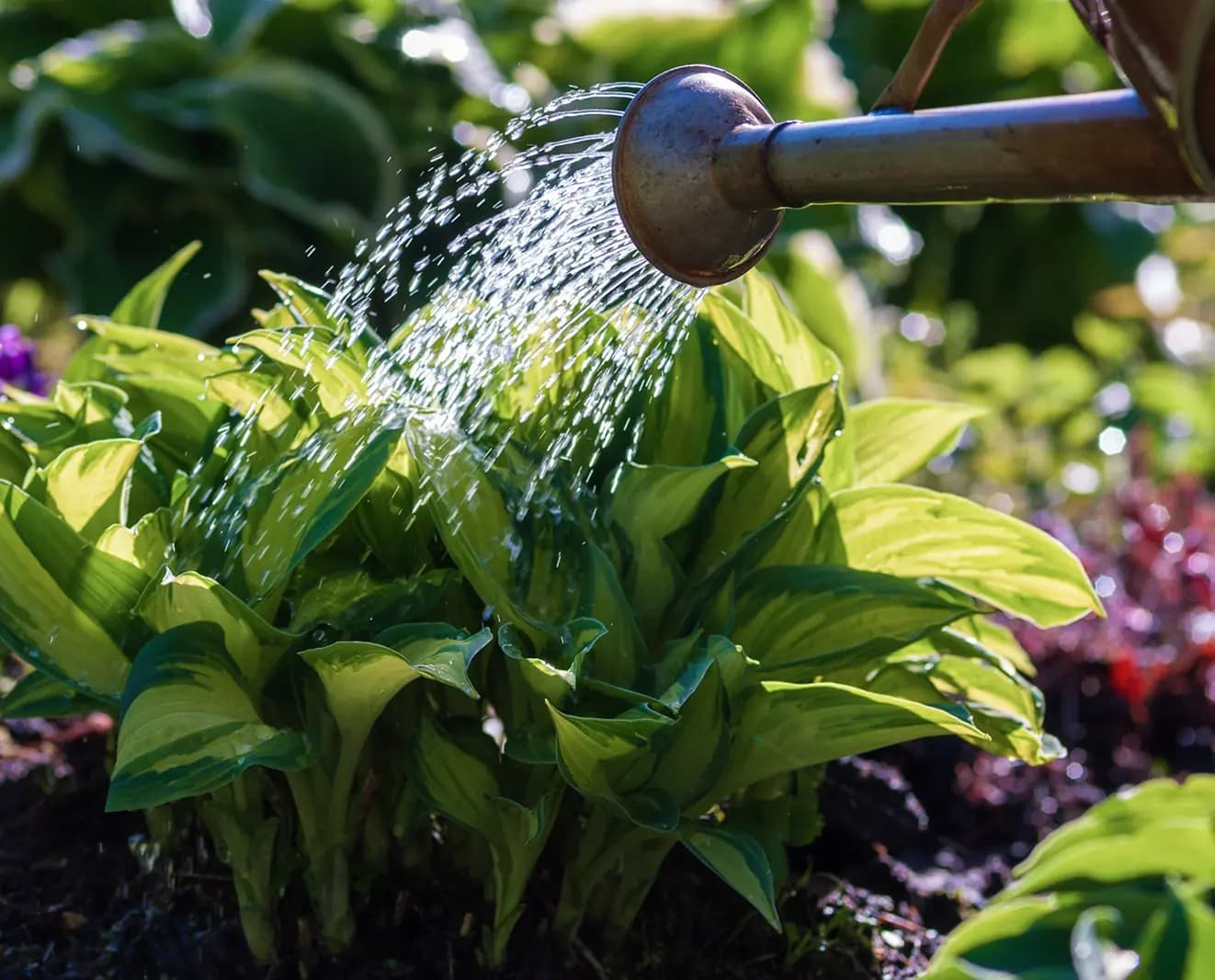
  • Use a watering can with a gentle rose or a soaker hose to deliver low-pressure, targeted soil watering.

Incorrect moisture levels can disrupt growth and root development in Beta vulgaris crops.

Wilting Foliage:

Leaves droop despite moist soil, indicating oxygen-poor roots from chronic waterlogging or compacted beds.

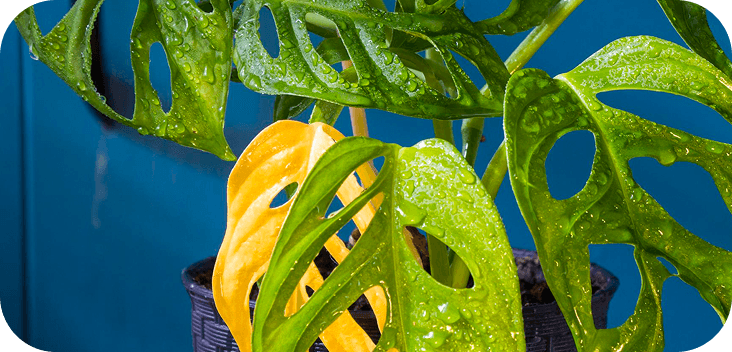
Yellowing Lower Leaves:

Older leaves yellow first when roots sit in soggy soil, limiting nutrient uptake and root respiration.

Cracked Storage Roots:

Mature roots split after sudden heavy watering following a dry spell during active bulking.

Small Woody Roots:

Restricted, fibrous roots develop when soil frequently dries deeply between irrigations during early growth.

Maintain steadily moist, well-drained soil, avoiding both deep drought and prolonged saturation during root formation.

Poor watering habits can stunt common beet (Beta vulgaris), reduce root quality, and increase disease pressure in beds and containers.

  • Following a fixed schedule: Watering on a calendar instead of checking soil moisture keeps roots too wet or too dry; assess the top soil before watering.
  • Using dense, soggy soil: Heavy, compact soil holds water around developing roots; use loose, well‑drained soil with added compost for better moisture balance.
  • Leaving water in saucers: Letting pots sit in collected runoff keeps lower roots submerged; empty saucers shortly after watering to restore air spaces.

Aim for evenly moist, well‑drained soil and adjust watering to current conditions so Beta vulgaris forms healthy, uniform roots.

  • Spring: As soil warms and foliage expands, keep moisture steady and cool, never waterlogged, to support root swelling and leaf production.
  • Summer: In hot, dry spells, water more deeply but less often, focusing on morning applications that keep soil evenly moist and reduce stress.
  • Fall: As temperatures drop and growth slows, gradually reduce watering, allowing the upper soil to dry slightly longer between irrigations.
  • Winter: In mild-winter beds, water sparingly during dry periods only; in frozen or dormant plots, pause watering until soil thaws consistently.

Your common beet Care Companion

Use Botan for a clear watering guide and simple care steps for Beta vulgaris, plus gentle photo-based checks that help notice leaf spots, wilting, and other early stress signs.

Botan plant care app — identify plants on mobile

Interesting Watering Facts

Halophyte ancestry influence

Cultivated beets descend from the sea beet, a coastal halophyte that tolerates salty, periodically dry soils, so modern plants handle brief dry spells and slightly saline irrigation water better than many other vegetables.


Moisture drives root zoning

In field trials, beets deepen their main taproot when upper soil layers dry, then branch fine feeder roots in moist zones, so uneven watering changes how the root system distributes in the soil profile.

Water stress alters betalains

Moderate drought stress during root bulking can increase betalain pigment concentration in red beet roots, subtly intensifying color while slightly reducing total yield compared with consistently moist conditions.

FAQ

Water thoroughly until a little drains from the bottom, then stop. This ensures the root zone is evenly moist. Empty any saucer after 10–15 minutes so roots stay oxygenated and do not sit in stagnant water.

More Plant Watering Guides

Is Your Watering Routine Hurting Your common beet?

Botan quickly reviews your watering routine so adjustments stay straightforward and confident.

Watering a plant with a copper watering can
How To Revive a Dying Plant: 6 Steps To Bring A Plant Back To Life

6 min read · 1 Sept 2026

How To Revive a Dying Plant: 6 Steps To Bring A Plant Back To Life

Drooping leaves and brown tips don't always mean the end, and a weakened plant can often recover with a little help. These six simple steps will help you revive a dying plant and restore its health.

Plant Care
How To Revive a Dying Plant: 6 Steps To Bring A Plant Back To Life
Is Sugar Water Good for Plants?

4 min read · 14 Sept 2026

Is Sugar Water Good for Plants?

Sugar water may sound like an easy boost, but most rooted plants do not need extra sucrose. This guide explains how green tissues produce carbohydrates, when a sweetened solution can be useful, and why too much can cause problems.

Plant Care
Is Sugar Water Good for Plants?
20 Most Popular Fruits Around the World

7 min read · 22 Jul 2026

20 Most Popular Fruits Around the World

Curious which fruits the world actually eats the most? Here's the top-20 by production volume, an overview of what people choose in each region, and a few figures that defy common assumptions.

Plant Recommendations
20 Most Popular Fruits Around the World