Primrose (Primula vulgaris) Watering Guide

This page explains when, how often, and how much to water Primula vulgaris for steady, healthy growth.

Water Requirements

Keep Soil Moist

Primula vulgaris Watering

Native to cool, damp woodland edges, Primula vulgaris prefers steadily moist soil rather than drying out. In the ground, watering Primrose usually supports that gentle, consistent moisture that mirrors light, regular rainfall.

Containers dry faster, so potted plants need closer monitoring than those in beds. Understanding how to water Primrose at this overview level sets the foundation before adjusting to specific light, temperature, and placement conditions.

Water when the top 1–2 inches (3–5 cm) of soil feel dry, keeping Primula vulgaris evenly moist but not soggy. Indoors, this usually means watering about every 3–7 days, while outdoor containers in warm, bright conditions may need more frequent checks and slightly shorter intervals.

Water Primrose when the top 1 inch (2–3 cm) of soil feels dry, keeping moisture even but never soggy.

  • Pour room‑temperature water slowly onto the soil surface around the plant, avoiding the leaves and central crown area.
  • Moisten the root zone evenly until water begins to drain from the bottom holes, then stop adding more.
  • Allow excess water to drain freely from the saucer within 10–15 minutes so roots sit in airier, not stagnant, conditions.
  • For potted plants, bottom‑water occasionally by filling the saucer, letting soil wick moisture, then discarding any remaining water.

Incorrect moisture balance can stress Primula vulgaris, weakening growth and increasing disease susceptibility.

Yellowing Lower Leaves:

Older basal leaves fade and soften when soil stays consistently wet, indicating developing root suffocation.

Mushy Crown Center:

Plant center collapses and browns from prolonged surface wetness and poor drainage around the crown.

Leaf Edge Browning:

Margins crisp and brown when soil swings between very dry and heavily saturated conditions.

Wilting Despite Damp Soil:

Foliage droops while compost feels moist, suggesting root rot from extended overwatering or waterlogging.

Keep soil evenly moist in well-drained media, avoiding both standing water and complete dryness.

Unsuitable watering habits quickly upset moisture balance for Primula vulgaris, stressing shallow roots and shortening flowering and overall vigor.

  • Watering by schedule: Following a fixed calendar instead of checking topsoil moisture leads to soggy or dry roots; always feel the soil first.
  • Poor draining soil: Using heavy, compact soil keeps water around roots too long; switch to a loose, peat-free mix with added perlite for airflow.
  • Water left in saucer: Letting runoff sit under the pot keeps the root zone saturated; empty the saucer shortly after each watering.

Safer watering for primrose keeps soil consistently moist but never saturated, guided by touch and drainage rather than a rigid timetable.

  • Spring: Increase watering as new leaves and buds form, keeping soil consistently moist but not saturated while temperatures stay cool and growth is active.
  • Summer: Reduce watering slightly in hot weather, allowing the top layer to dry between drinks, and protect from drying winds and intense afternoon heat.
  • Fall: Gradually taper watering as flowering slows, keeping soil lightly moist while the plant stores energy and prepares for cooler conditions.
  • Winter: Water sparingly but never let the root zone fully dry, especially for indoor plants kept cool and out of direct heat sources.

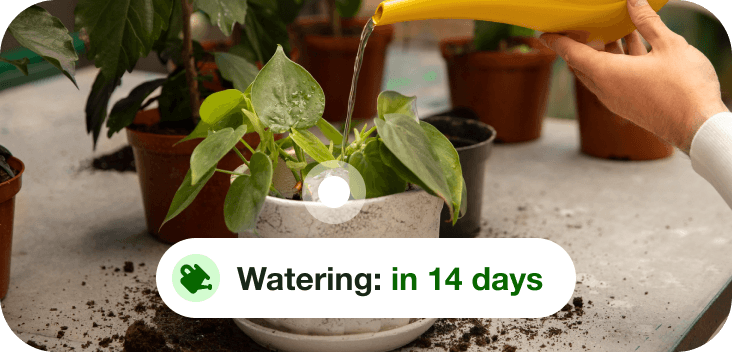
Get Your Primrose Watering Schedule

Use Botan for a clear watering guide and practical care steps for Primula vulgaris, plus gentle photo-based checks that help flag early signs of stress or other plant issues.

Botan plant care app — identify plants on mobile

Interesting Watering Facts

Moist woodland origins

Primula vulgaris is native to damp woodland edges and hedgerows in Europe, where soils stay cool and evenly moist but not waterlogged, which explains its preference in cultivation for consistent moisture and dislike of drying out completely.


Dormant season dryness

After flowering, Primula vulgaris often enters a semi-dormant summer phase in nature, when surrounding soils can dry slightly, so it tolerates brief surface dryness better in warm months than during its active late-winter and spring growth.

FAQ

Yes. Bottom-watering works well if the pot has drainage holes. Set the pot in 1–2 inches (3–5 cm) of water and remove it once the upper soil feels evenly moist, not soggy.

More Plant Watering Guides

Is Your Watering Routine Hurting Your Primrose?

Use Botan to review watering patterns and adjust moisture levels more confidently.

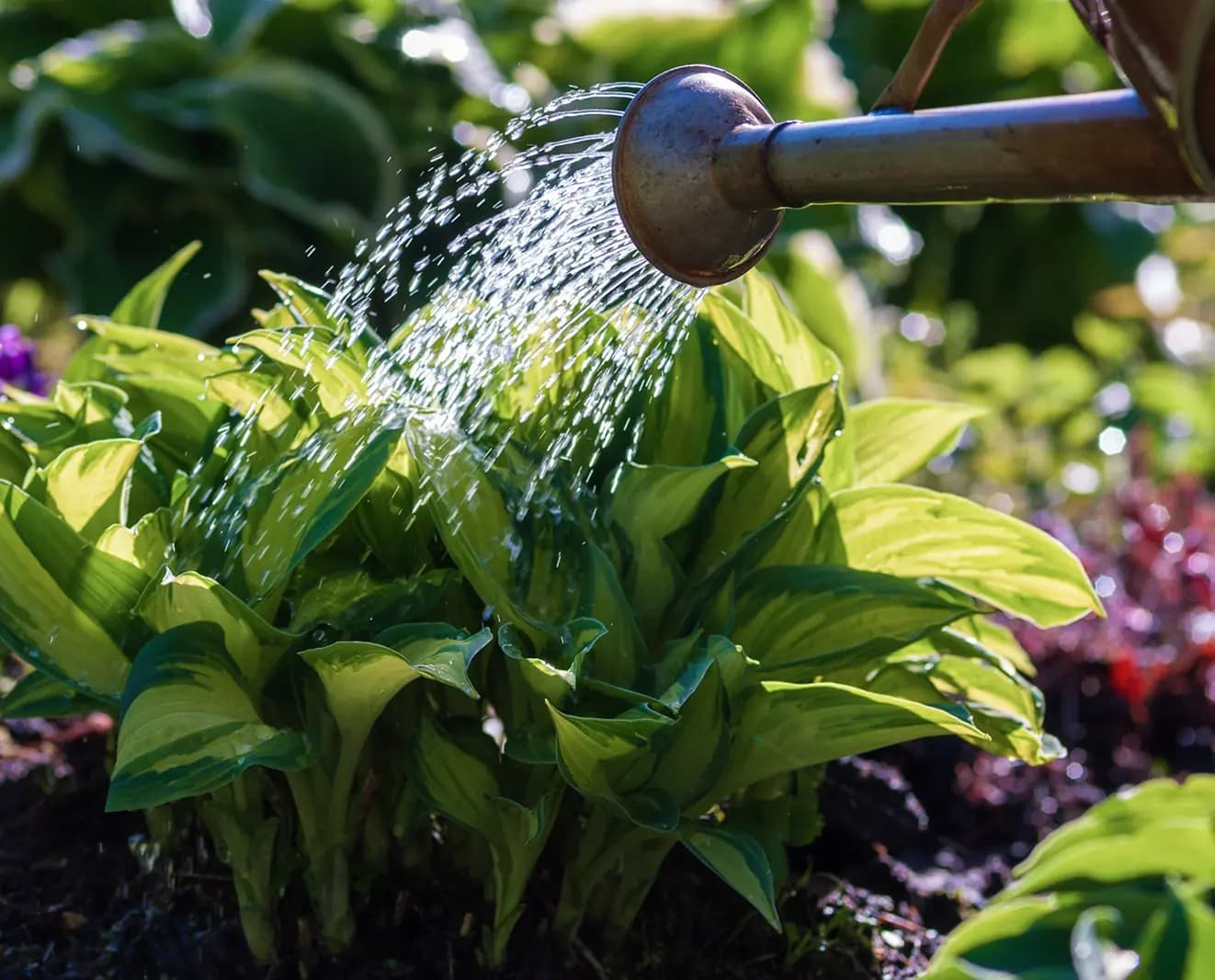
Watering a plant with a copper watering can
Frozen vs Fresh Vegetable Nutrients: Which Option Is Healthier?

6 min read · 8 Sept 2026

Frozen vs Fresh Vegetable Nutrients: Which Option Is Healthier?

Frozen and fresh vegetables are nutritionally comparable: frozen produce often retains vitamins just as well as fresh and may sometimes contain more. Here’s how blanching and storage affect nutrients—and when to choose each.

Plant Recommendations
Frozen vs Fresh Vegetable Nutrients: Which Option Is Healthier?
Rice Water for Plants – Which Plants Love It and How to Make It

8 min read · 14 Jul 2026

Rice Water for Plants – Which Plants Love It and How to Make It

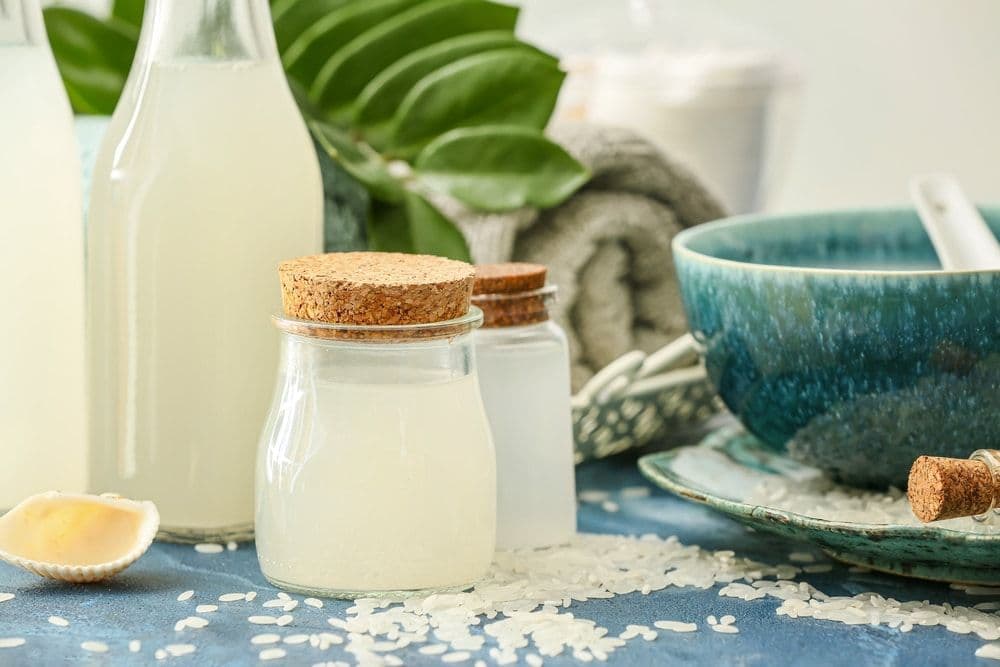
Rice water can be an ideal DIY solution for orchids, roses, or fruiting plants. It supports growth, leaf count, and height. We’ll share how to make and apply it correctly for your plant.

Plant Care
Rice Water for Plants – Which Plants Love It and How to Make It
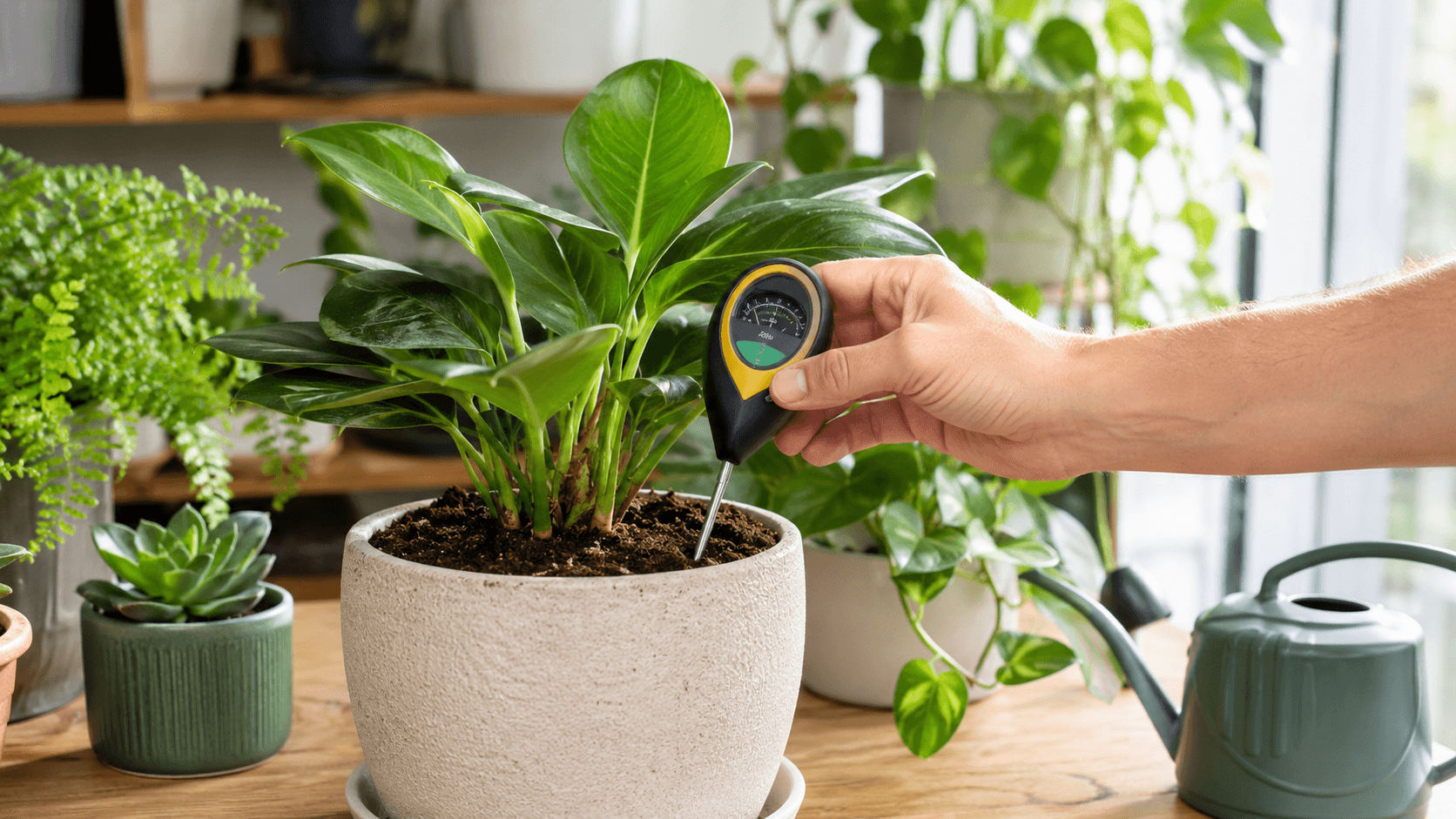
How to Use a Moisture Meter for Plants

5 min read · 4 Sept 2026

How to Use a Moisture Meter for Plants

Watering by feel kills plenty of houseplants. A moisture meter checks the soil for you, and takes the guesswork out of it. This guide will show you how to use it correctly, from the first touch to the final reading.

Beginner Guides
How to Use a Moisture Meter for Plants