





Best Soil for Primrose (Primula vulgaris)

For Primula vulgaris, a loose, humus-rich mix with steady moisture and good drainage supports healthy root function and steady growth.

Soil Texture

Loamy, Peaty, Organic-rich

Soil pH

Acidic (5.5–6.5), Slightly acidic (6.5–7.0)

Soil Drainage

Moist but well-drained

Primula vulgaris Soil Guide

Native to Europe, western Asia, and parts of North Africa, Primula vulgaris grows in woodland edges, hedgerows, and damp meadows. Those settings help explain why it prefers loose, humus-rich soil that stays evenly moist while still draining well.

Its roots are relatively fine and shallow, so they benefit from a loamy, peaty texture with good aeration. The best soil for Primrose holds steady moisture and organic matter around the root zone without becoming heavy or waterlogged, which supports consistent growth and healthy flowering.

A simple homemade mix can give Primula vulgaris the balance of moisture retention and air flow it needs in containers.

100% total mix = 20 scoops
10%
fine pine bark2 scoops
20%
perlite or pumice4 scoops
30%
compost or leaf mold6 scoops
40%
peat moss or coco coir8 scoops

The finished blend should feel soft, crumbly, and slightly springy, holding light moisture while excess water moves through at a moderate pace.

This species can react quickly when the root zone stays stale or swings between extremes. Check the soil first if growth slows or the crown seems stressed.

Sour, compacted soil:

If the mix smells stale or stays dense for days, loosen the top layer gently and move to a fresher, more open medium soon.

Waterlogged root zone:

If the surface remains wet for long periods and the center feels heavy, improve drainage and let excess moisture escape more freely.

Crusted, shrinking mix:

When the soil pulls from the pot sides or turns hard on top, rehydrate it evenly and refresh the mix if it no longer rewets well.

Buried crown:

If soil has settled over the base of Primrose, brush it back so the crown sits just above the surrounding surface.

Soil Help, Fast

Botan helps match this plant to a suitable soil setup, so it is easier to choose a mix that fits its roots and growing conditions.

FAQ

Yes. This plant has a fairly shallow root system, so a very deep pot can keep lower soil wet too long. Choose moderate depth with good drainage instead of extra unused volume.

More Plant Soil Guides

See If Soil Is the Issue

A photo-based check in Botan can help show whether soil conditions may be part of the problem before making changes.

Botan app helping with soil and plant care
How Fast Does Bamboo Grow Per Day, Month, and Year

10 min read · 7 Jul 2026

How Fast Does Bamboo Grow Per Day, Month, and Year

Bamboo grows extremely fast: some species can reach 5-6 m in just 3-4 months under the right conditions. This guide explains how much bamboo can grow per day, week, and year, and what affects its growth rate.

Plant Recommendations
How Fast Does Bamboo Grow Per Day, Month, and Year
Can Plants Grow With Artificial Light?

6 min read · 15 Sept 2026

Can Plants Grow With Artificial Light?

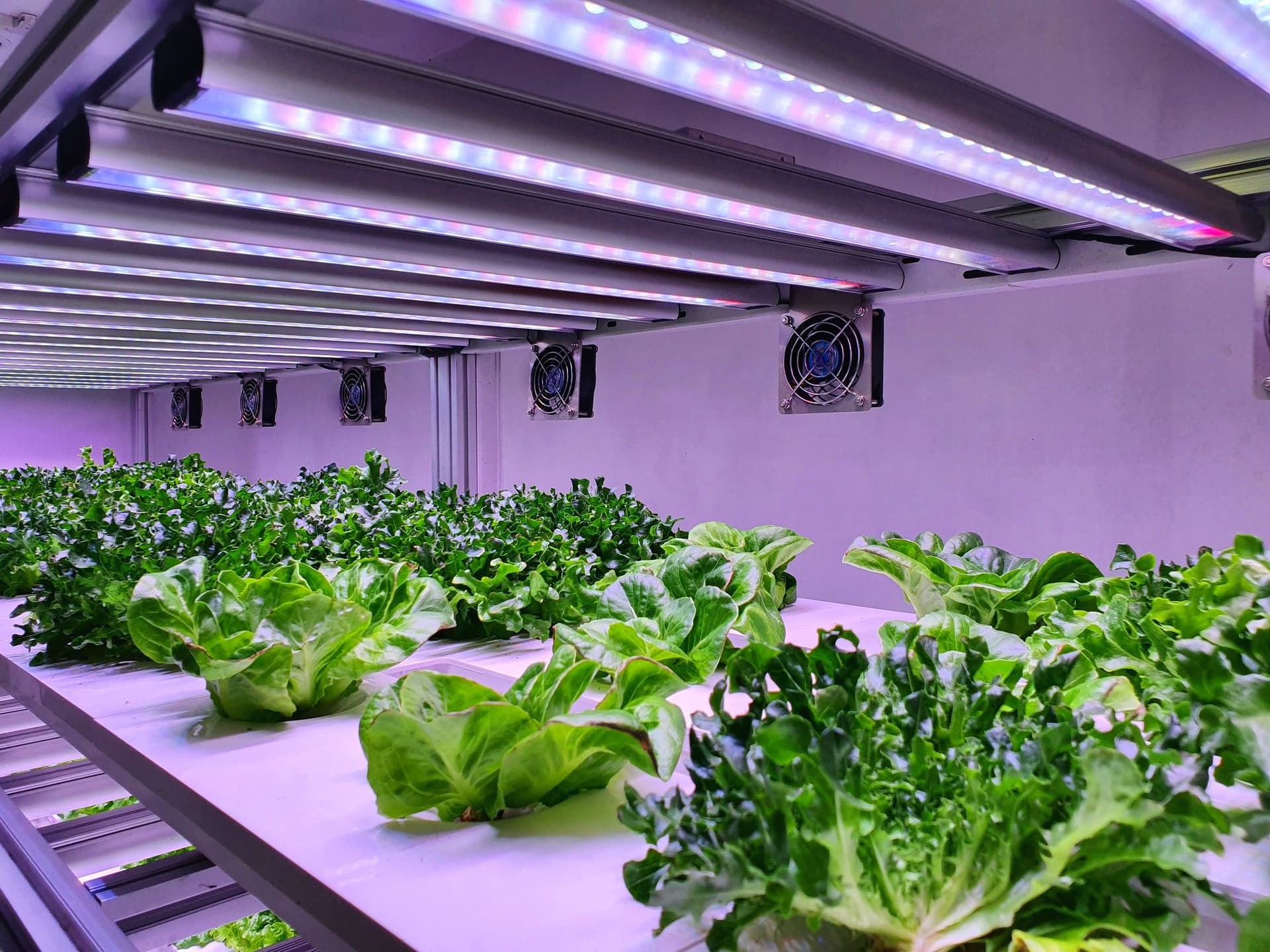
Plants can grow under artificial light when the setup provides a suitable spectrum, enough intensity, and sufficient daily exposure. This guide explains how artificial lighting compares with sunlight, which options work indoors, and how to match a setup to houseplants.

Plant Care
Can Plants Grow With Artificial Light?
Best Bedroom Plants – Top 10 to Grow in Your Space

8 min read · 8 Jul 2026

Best Bedroom Plants – Top 10 to Grow in Your Space

Discover the top 10 houseplants that are suitable for growing in your bedroom. Compare their light and water needs, pet safety, and benefits. Find out where best to place greenery in your relaxation space and what species to avoid.

Plant Recommendations
Best Bedroom Plants – Top 10 to Grow in Your Space