


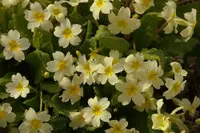





Primrose (Primula vulgaris) Light Needs

Primrose grows best in partial shade, with bright filtered light and only gentle morning sun.

Light Preference

Partial Shade

Primula vulgaris Light Requirements

Primula vulgaris is native to much of western and southern Europe, where it grows in open woodland, hedgerows, banks, and cool grassy places. These sites receive brighter light in early spring, then filtered shade as taller vegetation leafs out.

This seasonal pattern explains its cultivated preference for cool, bright conditions without harsh sun. Its preferred light is partial shade with filtered light.

  • Ideal exposure:

    Primrose needs about 4–6 hours of bright, indirect or filtered light daily, including up to 1–2 hours of gentle direct morning sun.

  • Gentle sun:

    Early morning sun is usually helpful, especially in cool weather, but midday or afternoon direct sun is risky.

  • Light shade:

    Light shade is tolerated, though flowering may be lighter if the site stays dim most of the day.

  • Seasonal strength:

    Spring sun is safer than late-spring or summer sun, which can heat thin leaves quickly.

Indoors, this cool-growing species needs bright filtered light near a window without hot afternoon sun.

NConditional
North-facing window:

An unobstructed north window can work if the plant sits close to the glass and still receives bright daylight.

EBest
East-facing window:

An east window is ideal because it gives gentle morning sun and bright light before the day becomes hot.

SConditional
South-facing window:

A south window is only suitable behind a sheer curtain or several feet from the glass to block strong direct sun.

WConditional
West-facing window:

A west window is poor unless strong afternoon sun is filtered, because heat and direct rays can stress leaves quickly.

Choose the coolest bright position available and adjust if leaves lean or scorch.

Primula vulgaris can show sun stress quickly in harsh direct light.

Bleached leaves:

Exposed leaves may look pale or washed out after direct sun, especially when light increases suddenly.

Papery patches:

Tan, dry areas can appear on the leaf surface that faces the strongest sun.

Fast flower fading:

Flowers may lose color and collapse sooner when bright sun and heat reach them for several hours.

Midday wilting:

Leaves may go limp during harsh afternoon exposure, then partially recover when light becomes weaker.

Move the plant into partial shade right away, or filter the direct rays with a curtain or shade cover. Avoid shifting it from shade into strong sun without a gradual transition.

Low light usually shows as weaker growth and reduced flowering before major leaf damage appears.

  • Stretching stems:

    Leaf stalks may lengthen and look weak as the plant reaches toward a brighter source.

  • Leaning growth:

    The crown may tilt toward the nearest light, especially indoors or in a shaded corner.

  • Fewer flowers:

    Buds may form slowly, and open flowers may be fewer than expected during the normal blooming season.

  • Small new leaves:

    New leaves may stay smaller and paler when light is too weak for steady active growth.

Move it to brighter filtered light or a place with gentle morning sun. Make the change gradually if the new exposure is much brighter.

When ideal partial shade is unavailable, choose the brightest cool area that avoids direct afternoon sun. Prioritize a place that gives gentle morning sun and filtered light for the rest of the day.

Use a sheer curtain, porch shade, or nearby structure to soften strong rays before they hit the leaves. Rotate the pot weekly if growth leans toward the light.

Deep, all-day shade is a poor setup because it often reduces flowering and encourages stretched growth.

Get Personalized Care Plan

Scan your plant to receive care tips personalized for your specific plant

FAQ

The best light for Primrose is partial shade with bright filtered light. A small amount of direct morning sun is useful, but strong afternoon sun is usually too intense.

Everything About Primrose

More Plant Light Guides

Get the Botan App

Discover how to care for your plants with Botan.

Botan app identifying a plant with a phone camera
Frozen vs Fresh Vegetable Nutrients: Which Option Is Healthier?

6 min read · 8 Sept 2026

Frozen vs Fresh Vegetable Nutrients: Which Option Is Healthier?

Frozen and fresh vegetables are nutritionally comparable: frozen produce often retains vitamins just as well as fresh and may sometimes contain more. Here’s how blanching and storage affect nutrients—and when to choose each.

Plant Recommendations
Frozen vs Fresh Vegetable Nutrients: Which Option Is Healthier?
How to Use a Moisture Meter for Plants

5 min read · 4 Sept 2026

How to Use a Moisture Meter for Plants

Watering by feel kills plenty of houseplants. A moisture meter checks the soil for you, and takes the guesswork out of it. This guide will show you how to use it correctly, from the first touch to the final reading.

Beginner Guides
How to Use a Moisture Meter for Plants
10 Easy Garden Flowers to Grow

8 min read · 10 Sept 2026

10 Easy Garden Flowers to Grow

Discover 10 garden flowers that require minimal care. Learn which characteristics make plants easy to grow and follow tips on how to create a beautiful corner from beginner-friendly blooms on your property.

Beginner Guides
10 Easy Garden Flowers to Grow