


7 min read · 6 Aug 2026
Planting Grass Seed in Summer – What Works and What Fails
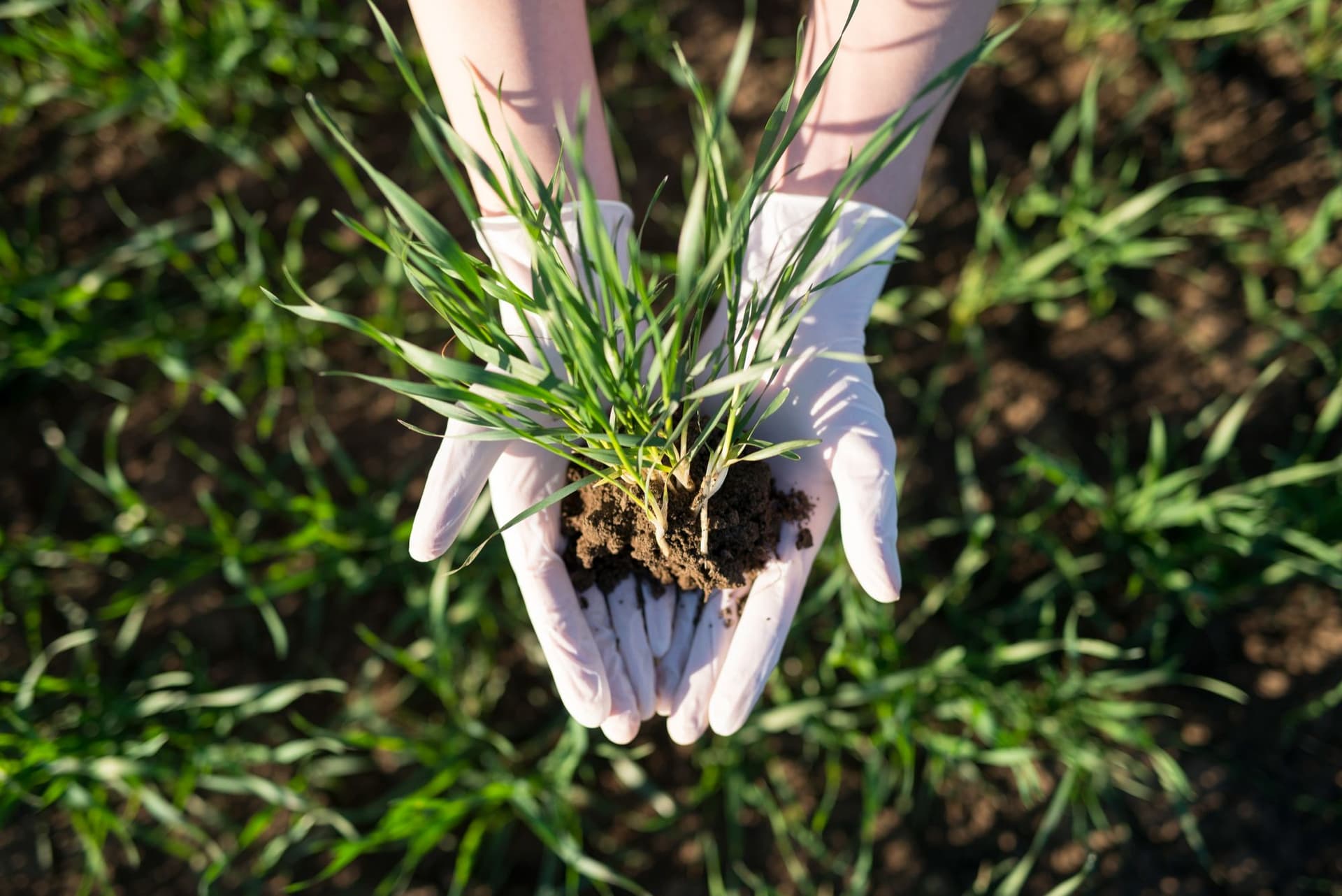
Summer seeding succeeds when the grass type suits the season, and the soil stays moist. Find out how to prepare the seedbed and choose a safe window for planting.

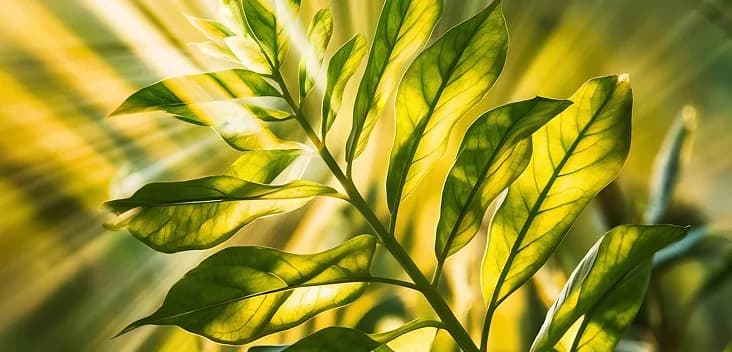
Lipstick plant grows best in bright indirect light, with a little gentle morning sun if introduced gradually.

Light Preference
Bright Indirect Light

Aeschynanthus radicans is native to humid tropical forests in Southeast Asia, where it commonly grows as an epiphyte on tree trunks and branches. In that position, foliage receives bright, filtered light through the canopy rather than long periods of open sun.
These conditions explain its indoor preference for high ambient brightness with protection from harsh midday and afternoon rays. It prefers bright indirect or filtered light.
Lipstick plant needs about 6–8 hours of bright indirect or filtered light daily, including up to 1–2 hours of gentle direct morning sun.
Soft early sun is usually tolerated, but hot afternoon sun can scorch leaves and stress trailing stems quickly.
The plant can survive in moderate shade, but growth and flowering are usually weaker when light stays dim.
Increase exposure gradually over 1–2 weeks so leaves adjust before receiving stronger light.
Indoors, place this plant where it receives bright light without harsh direct afternoon sun.
A north-facing window is conditional because it is often too dim; use the closest bright spot and watch for reduced flowering.
An east-facing window is usually best because it gives bright morning light and mild direct sun.
A south-facing window works if the plant sits 3–6 ft from the glass or behind a sheer curtain.
A west-facing window is conditional because afternoon sun can be hot; filter the light or keep the plant several feet back.
Choose the position with the brightest filtered light and adjust if leaves fade or stems stretch.
Strong direct sun can stress the thin, glossy leaves, especially through warm glass.
Bleached or tan areas may appear on the sun-facing side after sudden exposure to direct rays.
Dry, papery spots on upper leaves can develop where glass intensifies afternoon sun.
Leaves may lose their deep green sheen and look washed out when light is too intense.
Foliage near hot glass may feel warm and slightly limp during the brightest part of the day.
Move the plant out of direct afternoon sun, or filter the window with a sheer curtain. Keep bright indirect light in a calmer spot while new growth develops.
Low light often shows first in the stems and flowering. Aeschynanthus radicans may stay alive in shade, but it will not perform as well.
New stems may stretch with wider spaces between leaf pairs instead of forming compact, leafy trails.
Bud formation can be sparse, and existing buds may fail to develop fully when light stays weak.
Fresh leaves may come in smaller than older leaves during the growing season.
Stems may angle toward the brightest side of the room, giving the plant uneven growth.
Move it to a brighter indirect position, or bring it closer to a suitable window. Increase light gradually if the previous spot was dim.
If the ideal spot is unavailable, choose the brightest area that avoids harsh afternoon rays; this compromise is better than deep shade.
Rotate the pot a quarter turn every 1–2 weeks so trailing stems receive light more evenly and do not lean strongly one way.
A dark shelf across the room is unsuitable because it usually limits flowering and encourages stretched growth.

Light Check
Not sure if your plant is getting enough light? Check its light needs inside the app
Scan your plant to receive care tips personalized for your specific plant
It does best in bright indirect light for most of the day. A little gentle morning sun is useful, but harsh midday or afternoon sun is not ideal.
Discover how to care for your plants with Botan.


7 min read · 6 Aug 2026
Summer seeding succeeds when the grass type suits the season, and the soil stays moist. Find out how to prepare the seedbed and choose a safe window for planting.

6 min read · 15 Sept 2026
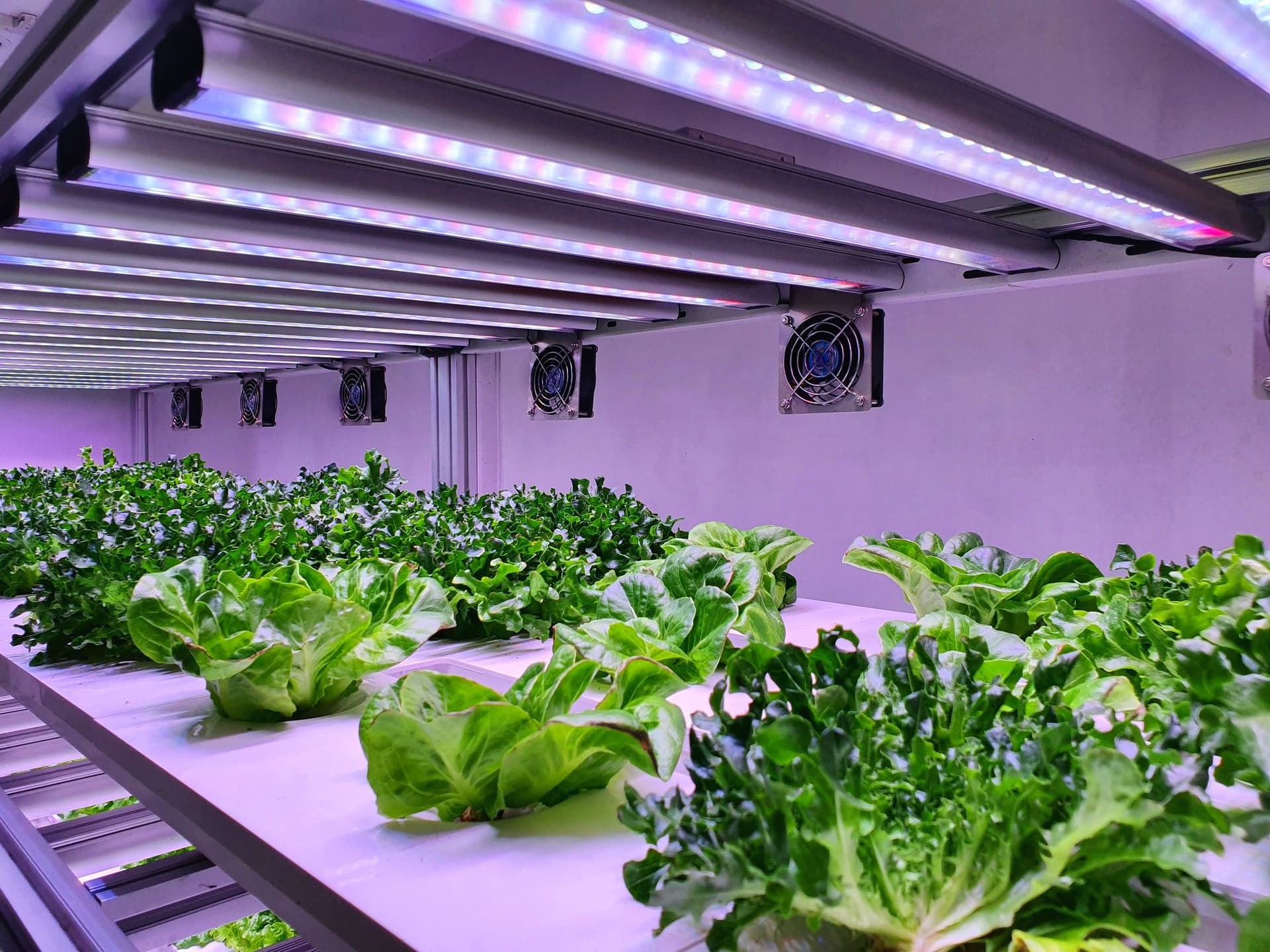
Plants can grow under artificial light when the setup provides a suitable spectrum, enough intensity, and sufficient daily exposure. This guide explains how artificial lighting compares with sunlight, which options work indoors, and how to match a setup to houseplants.

7 min read · 24 Aug 2026
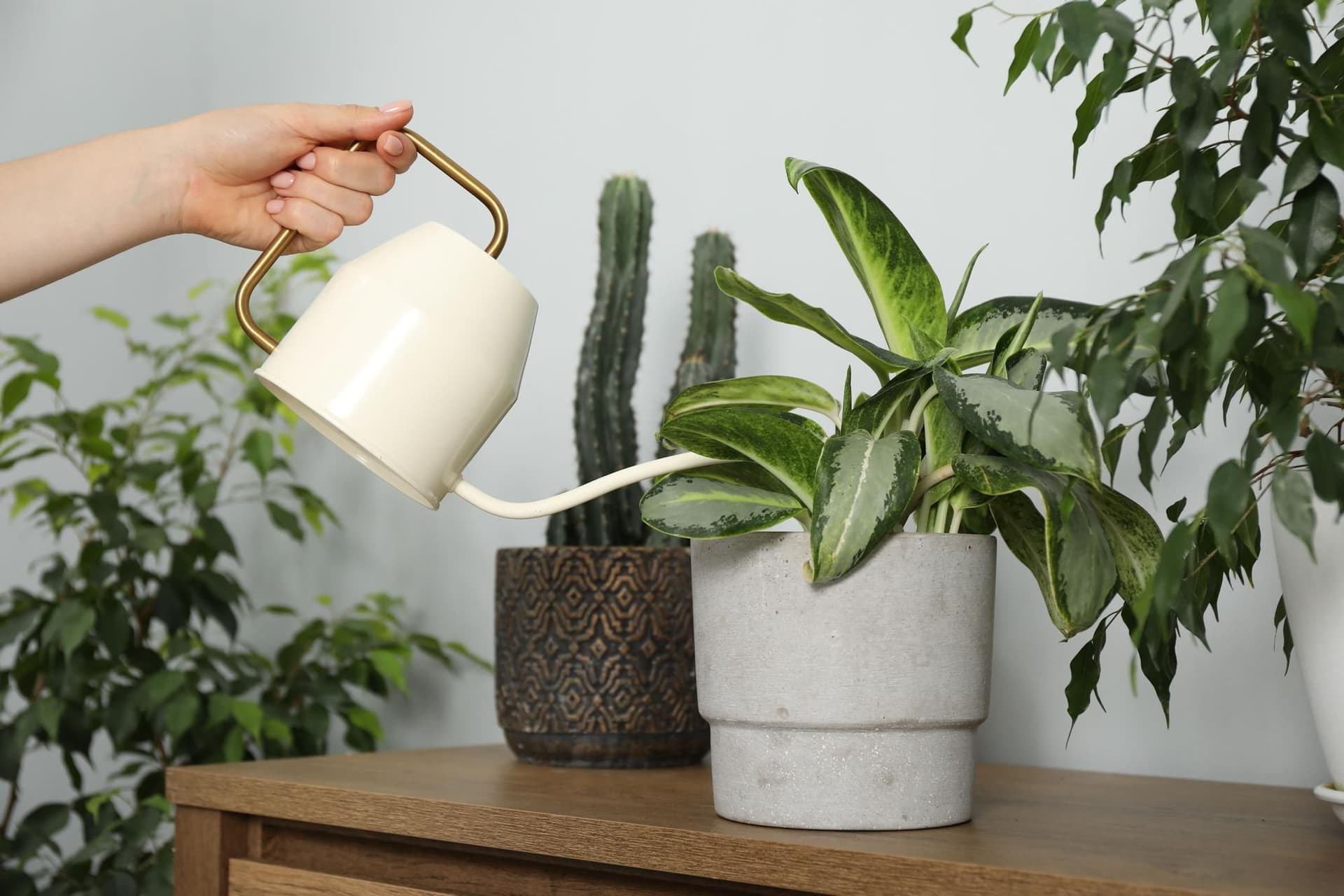
Learn how often to water indoor plants, key factors for proper watering, and how to adjust the care routine by plant type, season, pot size, light, and indoor conditions.