

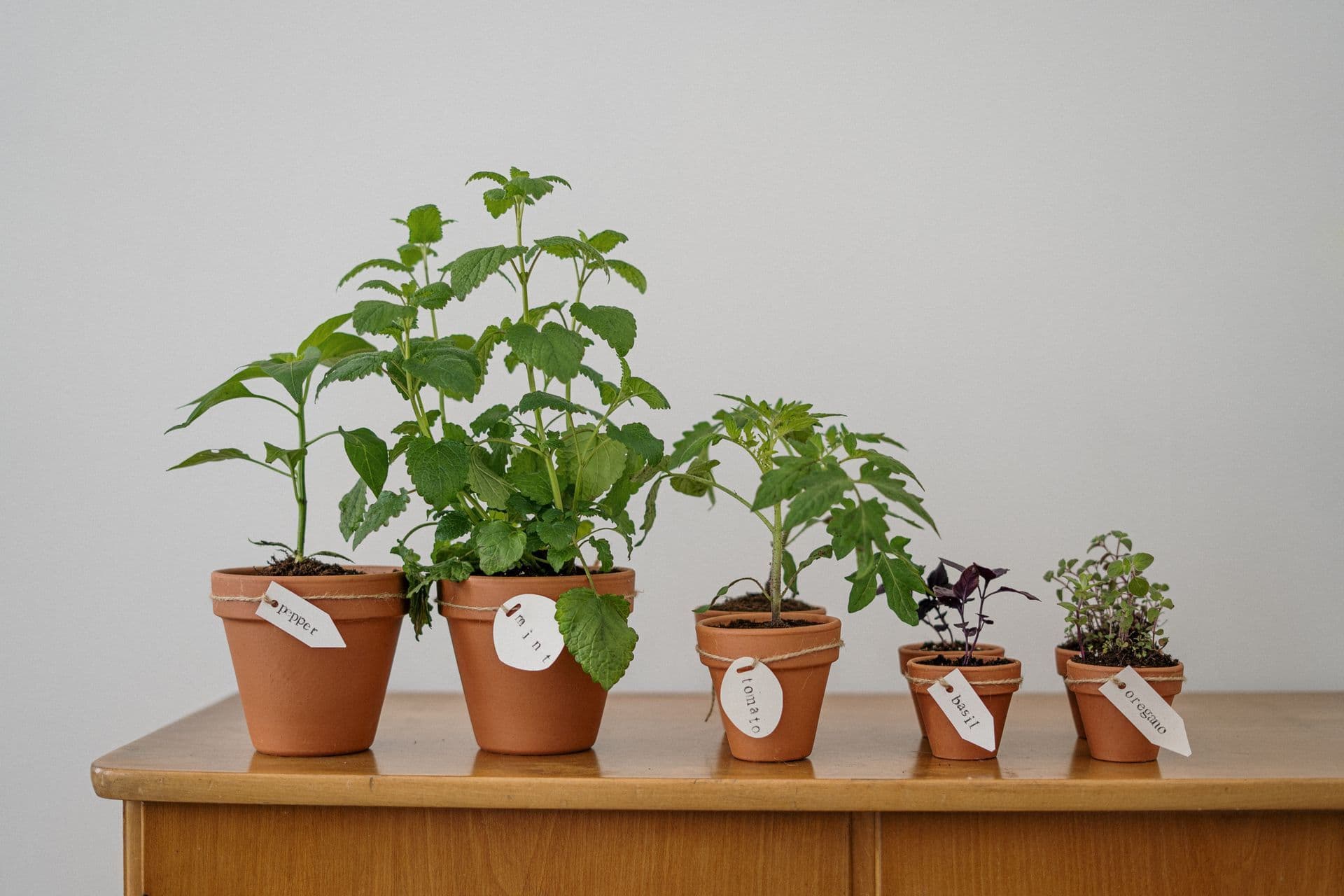
Baby Tears (Pilea depressa) Light Needs

Baby Tears grows best in bright, indirect light, with only brief gentle morning sun when available.

Light Preference

Bright Indirect Light

Pilea depressa Light Requirements

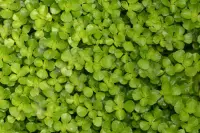
In humid tropical habitats, Pilea depressa grows as a low, creeping plant where taller vegetation breaks up the sun. Its small, thin leaves are adapted to bright but filtered conditions rather than open, all-day exposure. It may receive short periods of soft morning or late-day sun, but harsh direct rays can dry and scorch the foliage. Baby Tears prefers bright indirect or filtered light.

  • Ideal exposure:

    Pilea depressa needs about 6–8 hours of bright indirect or filtered light daily, including up to 1–2 hours of gentle direct morning sun.

  • Direct sun limit:

    Soft early sun is tolerated, but full sun and hot afternoon rays are likely to scorch the small leaves.

  • Lower light:

    It can survive in light shade, but growth becomes looser and slower when the spot stays dim.

  • Afternoon risk:

    A bright position away from west-facing heat is safer than any place with long, direct afternoon sun.

Indoors, Baby Tears does best close to a bright window where direct sun is gentle or filtered.

NConditional
North-facing window:

Use a north-facing window only if it is unobstructed and bright, with the plant kept close to the glass.

EBest
East-facing window:

Place it within 1–3 ft of an east-facing window for bright light and mild morning sun.

SConditional
South-facing window:

Keep it 3–6 ft back from a south-facing window, or use a sheer curtain to block direct midday sun.

WConditional
West-facing window:

Use a west-facing window only with filtering or extra distance, because late afternoon sun can be too hot.

If growth leans or thins, move the pot slightly brighter rather than into direct afternoon sun.

Strong sun usually marks the most exposed leaves first.

Bleached patches:

Pale tan or whitish areas can appear where direct rays hit the foliage through glass.

Crisp surface leaves:

The uppermost leaves may dry or feel papery while shaded inner growth stays greener.

Faded green color:

A washed-out look across the mat can develop after repeated bright afternoon exposure.

Stalled tender growth:

New tips may stay small when light is intense enough to stress the thin leaves.

Move Pilea depressa out of direct afternoon sun and use a sheer curtain if needed. Keep the plant in bright indirect light while damaged leaves age out.

Low light changes the growth pattern before severe decline appears.

  • Longer stems:

    Creeping stems may stretch with more bare space between pairs of tiny leaves.

  • Leaning growth:

    The plant may grow toward the nearest window instead of forming an even, dense mat.

  • Smaller new leaves:

    Fresh leaves can emerge smaller than older foliage during the active growing season.

  • Sparse center:

    Inner growth may thin when the top layer shades itself in a dim position.

Move Pilea depressa to brighter indirect light in stages over several days. Avoid sudden direct sun after a low-light period.

When ideal brightness is not available, choose the brightest area that stays out of harsh afternoon sun. Keep the plant close to the light source, but filter any direct beam that warms the leaves.

Rotate the pot a quarter turn every 1–2 weeks to keep the creeping growth even.

A dim shelf far from natural light is unsuitable because growth becomes thin and stretched.

Get Personalized Care Plan

Scan your plant to receive care tips personalized for your specific plant

FAQ

The best light for Baby Tears is bright, indirect or filtered light for most of the day. A little soft morning sun is fine, but harsh direct sun is not ideal.

Everything About Baby Tears

More Plant Light Guides

Get the Botan App

Discover how to care for your plants with Botan.

Botan app identifying a plant with a phone camera
Plant Pot Sizes: How to Choose the Right Plant Container

7 min read · 20 Aug 2026

Plant Pot Sizes: How to Choose the Right Plant Container

Plant pot sizes can be confusing because the number on the label only tells you part of the required information. A container may look spacious but actually be too shallow. So, how to choose pot size for plant species?

Beginner Guides
Plant Pot Sizes: How to Choose the Right Plant Container
Best Fertilizer for Grass in Summer: How to Choose the Right One

6 min read · 18 Aug 2026

Best Fertilizer for Grass in Summer: How to Choose the Right One

The right fertilizer in summer can make a lawn thrive. The wrong one can damage it. Here, you’ll learn the best NPK ratios by grass type, when and how to apply your formula, and how to recognize the signs of over- or under-fertilizing.

Plant Care
Best Fertilizer for Grass in Summer: How to Choose the Right One
Thorny Plants: A Comprehensive Guide

10 min read · 25 Aug 2026

Thorny Plants: A Comprehensive Guide

Many plants defend themselves with sharp thorns. This guide explores over 20 examples among flowers, shrubs, trees, and vines. You'll learn what each plant looks like, why it grows thorns, and how to quickly identify them.

Plant Recommendations
Thorny Plants: A Comprehensive Guide