

Philodendron melanochrysum Light Needs

Philodendron melanochrysum grows best indoors in bright, indirect light with only brief, gentle direct sun.

Light Preference

Bright Indirect Light

Philodendron melanochrysum Light Requirements

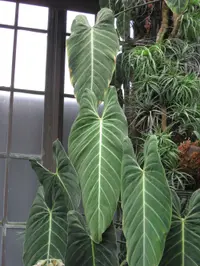
Philodendron melanochrysum is native to humid tropical forests of Colombia, where it climbs in filtered light below a taller canopy. Its broad, velvety leaves are adapted to bright shade and broken sun rather than exposed, open sun.

In cultivation, similar conditions support steady leaf size and color while reducing scorch risk, especially on an indoor support. It prefers bright indirect light.

  • Ideal exposure:

    Philodendron melanochrysum needs about 6–8 hours of bright, indirect or filtered light daily, including up to 1–2 hours of gentle direct morning sun.

  • Direct sun limit:

    Short morning sun is usually tolerated, but full sun and hot afternoon rays are risky.

  • Lower light:

    It can tolerate shade, but growth is slower and new leaves often stay smaller.

  • Filtered brightness:

    Filtered light through a sheer curtain helps preserve the velvety leaf surface while keeping growth steady.

Indoors, the best placement gives bright daylight without long exposure to hot direct sun.

NConditional
North-facing window:

Use a very bright north window only if the plant sits close to the glass and the room is not shaded outside.

EBest
East-facing window:

Place it within 2–4 ft of the glass where it receives bright morning light and protection from stronger later sun.

SSuitable
South-facing window:

Keep it several feet back from the window or use a sheer curtain to soften direct midday sun.

WConditional
West-facing window:

Use this exposure only with filtering or extra distance, because hot afternoon sun can scorch the leaves.

Adjust the distance if leaves fade, scorch, stretch, or lean strongly toward the light.

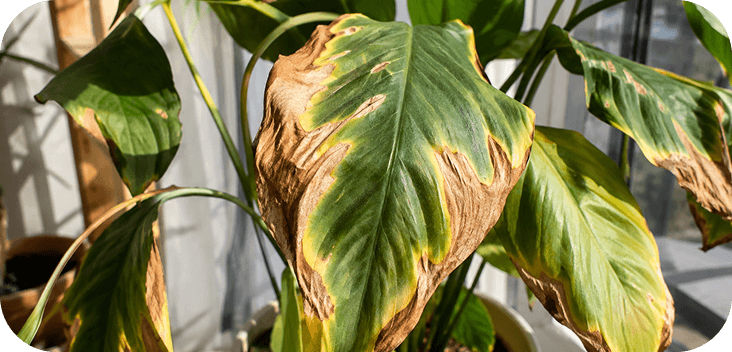
Strong sun can mark the velvety leaves quickly, especially after a sudden move.

Bleached patches:

Leaves may show pale, dull areas where direct sun hits the same surface.

Tan scorch spots:

Dry tan or brown patches can appear on the upper leaf surface after harsh afternoon exposure.

Faded leaf color:

The deep green finish may look washed out instead of rich and even.

Heat-tilted leaves:

Leaves may angle away from the window during the brightest part of the day.

Move it back from the glass or add a sheer curtain. Keep only gentle morning sun while damaged leaves remain unchanged.

Low light usually shows through the way new growth forms during the active growing season.

  • Long internodes:

    Stems may stretch with wider spaces between leaves as they reach for a stronger light source.

  • Leaning growth:

    The vine may lean strongly toward the brightest side instead of growing evenly.

  • Smaller leaves:

    New leaves may emerge noticeably smaller and may not develop the same broad shape.

  • Slow active growth:

    Little or no new growth in spring or summer can point to insufficient light.

Move it closer to bright indirect light, making the change gradually over several days. Rotate the pot after the move to keep growth balanced.

If ideal light is limited, place the plant in the brightest spot that still avoids harsh afternoon rays. A position close to filtered daylight is usually better than a dim corner.

Rotate the pot a quarter turn every 1–2 weeks so the vine does not lean strongly toward one side.

Avoid a deep room with no direct view of the sky, because new leaves are likely to stay smaller there.

Get Personalized Care Plan

Scan your plant to receive care tips personalized for your specific plant

FAQ

The best light for Philodendron melanochrysum is bright, indirect light for most of the day. Gentle morning sun is acceptable, but strong direct afternoon sun can scorch the velvety leaves.

Everything About Philodendron melanochrysum

More Plant Light Guides

Get the Botan App

Discover how to care for your plants with Botan.

Botan app identifying a plant with a phone camera
Best Bedroom Plants – Top 10 to Grow in Your Space

8 min read · 8 Jul 2026

Best Bedroom Plants – Top 10 to Grow in Your Space

Discover the top 10 houseplants that are suitable for growing in your bedroom. Compare their light and water needs, pet safety, and benefits. Find out where best to place greenery in your relaxation space and what species to avoid.

Plant Recommendations
Best Bedroom Plants – Top 10 to Grow in Your Space
10 Easy Garden Flowers to Grow

8 min read · 10 Sept 2026

10 Easy Garden Flowers to Grow

Discover 10 garden flowers that require minimal care. Learn which characteristics make plants easy to grow and follow tips on how to create a beautiful corner from beginner-friendly blooms on your property.

Beginner Guides
10 Easy Garden Flowers to Grow
What Plants Don't Like Epsom Salt?

11 min read · 29 Jul 2026

What Plants Don't Like Epsom Salt?

Learn which plants can be seriously damaged by Epsom salt and which will thrive on it. We’ll explain when and how to use it properly, provide tips for indoor & outdoor plants — read on and enjoy a healthy garden.

Plant Care
What Plants Don't Like Epsom Salt?