






Best Soil for Philodendron melanochrysum

Philodendron melanochrysum grows best in a loose, organic soil mix that drains well while holding enough moisture for steady root health.

Soil Texture

Loamy, Peaty, Organic-rich

Soil pH

Acidic (5.5–6.5), Slightly acidic (6.5–7.0)

Soil Drainage

Moist but well-drained

Philodendron melanochrysum Soil Guide

Native to Colombia, this aroid grows in warm, humid tropical forest where roots stay lightly moist but still get air. That background explains why Philodendron melanochrysum prefers loose, organic-rich soil with a loamy, slightly peaty feel rather than something dense or fast-drying.

The best soil for Philodendron melanochrysum holds steady moisture around the roots while draining well enough to prevent stagnant conditions. Its root system benefits from air pockets in the substrate, which support healthy uptake of water and oxygen and suit a climbing plant adapted to rich forest debris.

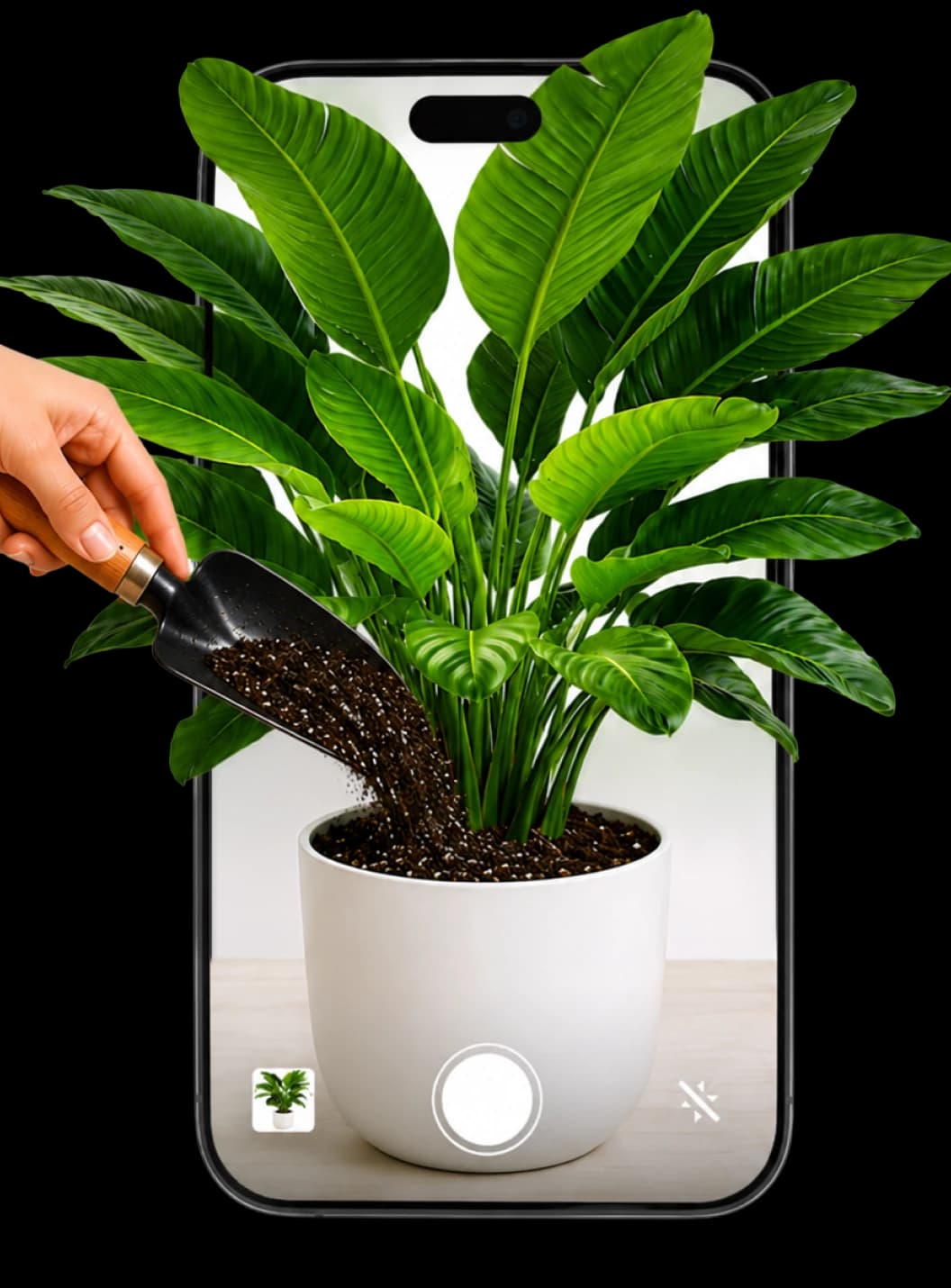
A simple custom mix gives Philodendron melanochrysum the balance of airflow and moisture retention it needs in a container.

100% total mix = 20 scoops
10%
perlite or pumice2 scoops
10%
worm castings or compost2 scoops
20%
coco coir or peat moss4 scoops
25%
orchid bark5 scoops
35%
high-quality potting soil7 scoops

The finished blend should feel springy, chunky, and lightly moist, with water moving through evenly without leaving the root area heavy.

Philodendron melanochrysum does best in slightly acidic to acidic soil, around 5.5–6.8 pH. This range helps keep important nutrients available to the roots without pushing the mix too far toward neutral.

It can usually handle small shifts, but staying near that range supports steadier uptake of nutrients such as iron and manganese, which are less available in more alkaline conditions.

This species can decline in poor root-zone conditions before leaf issues become severe. Check the mix first if growth slows or the container stays wet for too long.

Compacted mix:

Compacted mix: dense soil can limit airflow around roots, so loosen the top layer gently and replace part of the mix if it has collapsed.

Staying wet too long:

Staying wet too long: if the container remains heavy and damp for days, improve drainage and reduce fine particles in the root zone.

Hydrophobic soil:

Hydrophobic soil: very dry organic mix may repel water at first, so rewet it slowly and evenly until moisture is absorbed again.

Salt buildup:

Salt buildup: a crust on the surface or pot edge suggests residue in Philodendron melanochrysum soil, so flush the mix thoroughly and monitor future deposits.

Better Soil Starts Here

Botan helps match this plant to a more suitable soil setup, so choosing the right mix feels clearer from the start.

FAQ

Yes. A pot that is too deep can keep the lower mix wet longer than the roots use it. Choose depth that fits the current root mass and still leaves room for support.

More Plant Soil Guides

See If Soil Is the Issue

Botan’s photo-based assessment can help you check whether soil conditions may be contributing to the problem you’re seeing.

Botan app helping with soil and plant care
Best Bedroom Plants – Top 10 to Grow in Your Space

8 min read · 8 Jul 2026

Best Bedroom Plants – Top 10 to Grow in Your Space

Discover the top 10 houseplants that are suitable for growing in your bedroom. Compare their light and water needs, pet safety, and benefits. Find out where best to place greenery in your relaxation space and what species to avoid.

Plant Recommendations
Best Bedroom Plants – Top 10 to Grow in Your Space
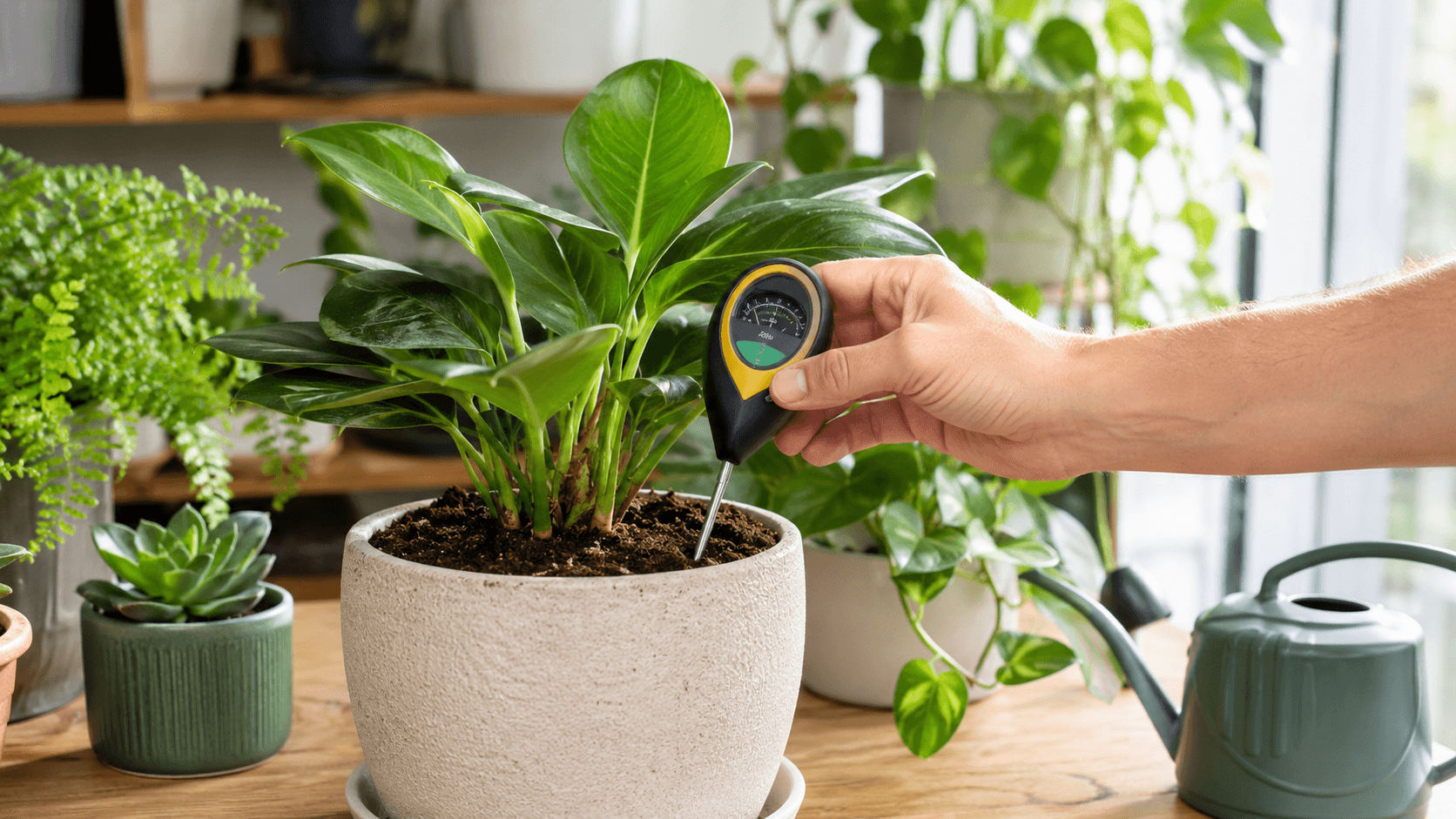
How to Use a Moisture Meter for Plants

5 min read · 4 Sept 2026

How to Use a Moisture Meter for Plants

Watering by feel kills plenty of houseplants. A moisture meter checks the soil for you, and takes the guesswork out of it. This guide will show you how to use it correctly, from the first touch to the final reading.

Beginner Guides
How to Use a Moisture Meter for Plants
Banana Peel Water for Plants: 5 Things to Know Before Trying It

5 min read · 9 Jul 2026

Banana Peel Water for Plants: 5 Things to Know Before Trying It

Banana water can provide potassium and some nutrients that may support plant growth, but it is not a universal fix. Use it carefully and only when the plant actually shows signs of nutrient deficiency rather than as a routine treatment.

Plant Care
Banana Peel Water for Plants: 5 Things to Know Before Trying It