


Best Soil for Philodendron (Philodendron 'Prince of Orange')

A loose, organic-rich mix with steady drainage and slightly acidic pH helps Philodendron 'Prince of Orange' maintain healthy, active roots.

Soil Texture

Loamy, Peaty, Organic-rich

Soil pH

Acidic (5.5–6.5), Slightly acidic (6.5–7.0)

Soil Drainage

Moist but well-drained

Philodendron 'Prince of Orange' Soil Guide

Bred from tropical aroid ancestry native to Central and South America, Philodendron 'Prince of Orange' is adapted to warm, humid conditions where roots stay lightly moist but still receive air. That background explains why dense, slow-drying soil is not a good match.

The best soil for Philodendron is loose, organic-rich, and moisture-retentive without becoming heavy. A loamy, peaty texture suits its fine roots because it holds steady moisture and nutrients while still draining well. Slightly acidic to near-neutral soil also supports healthy root function and steady growth.

A simple homemade mix gives better control over texture and drainage for Philodendron 'Prince of Orange' than standard indoor potting soil alone.

100% total mix = 20 scoops
15%
fine orchid bark3 scoops
20%
perlite or pumice4 scoops
25%
coco coir or peat moss5 scoops
40%
high-quality potting soil8 scoops

The finished blend should feel springy, crumbly, and airy, holding some moisture while letting excess water pass through without staying dense.

A good target for Philodendron is about 5.5–6.8 pH. That places it in the acidic to slightly acidic range, which supports balanced nutrient availability in the root zone.

This species can usually handle mild variation near neutral, but staying close to that range helps important nutrients remain easier for roots to absorb over time.

Root health can decline when the growing medium stays imbalanced for too long. Philodendron often responds early to poor root-zone conditions.

Compacted soil:

Compacted soil: if the surface hardens and water seems slow to move through, gently loosen only the top layer and plan for a more open mix later.

Soggy root zone:

Soggy root zone: if the container stays heavy for days and the soil smells stale, pause extra moisture and check whether drainage is being restricted.

Hydrophobic mix:

Hydrophobic mix: if very dry soil shrinks from the pot edge and sheds water, re-moisten it gradually so the root ball can absorb evenly again.

Salt buildup:

Salt buildup: if a white crust forms on the soil surface, scrape off the top layer and flush with clean water to reduce residue.

Better Soil Starts Here

Botan helps match this plant to a soil setup that suits its root habits, drainage needs, and container conditions.

FAQ

Yes. Drainage holes help excess water leave the container, which lowers the chance of stale, saturated conditions around the roots and keeps the potting mix more evenly balanced.

Everything About Philodendron

More Plant Soil Guides

Check Your Soil Choice

If growth or leaf condition seems off, Botan’s photo-based assessment can help check whether soil may be one factor worth reviewing.

Botan app helping with soil and plant care
Top 15 Fast-Growing Trees For Your Garden

13 min read · 28 Jul 2026

Top 15 Fast-Growing Trees For Your Garden

Learn which of the 15 fastest-growing trees will suit your area. We’ll share detailed information on each: growth rate, mature spread, key tree demands, and main vulnerabilities. Read on and make the best choice possible.

Plant Recommendations
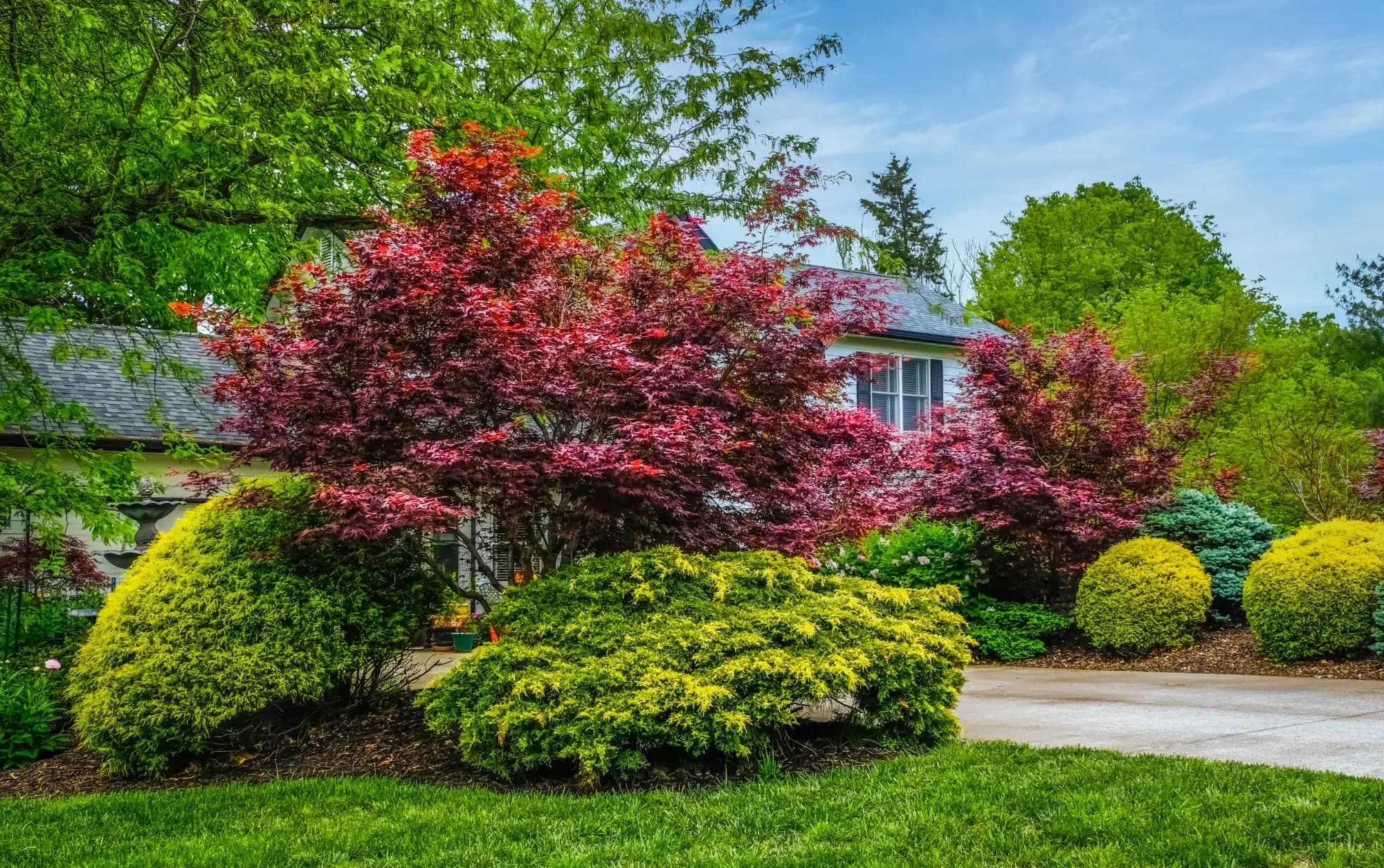
Top 15 Fast-Growing Trees For Your Garden
13 Best Front Yard Trees for Every Home and Yard

12 min read · 7 Aug 2026

13 Best Front Yard Trees for Every Home and Yard

A front yard tree can stay for decades. Therefore, choosing one deserves serious consideration. Here are 13 trees that have proven themselves, sorted by their purpose. You'll also find five species to avoid and basic planting information.

Plant Recommendations
13 Best Front Yard Trees for Every Home and Yard
What Plants Don't Like Epsom Salt?

11 min read · 29 Jul 2026

What Plants Don't Like Epsom Salt?

Learn which plants can be seriously damaged by Epsom salt and which will thrive on it. We’ll explain when and how to use it properly, provide tips for indoor & outdoor plants — read on and enjoy a healthy garden.

Plant Care
What Plants Don't Like Epsom Salt?