





Best Soil for Baby Rubberplant (Peperomia obtusifolia)

Peperomia obtusifolia grows best in a loose, well-drained mix that supports steady root health without staying dense around the roots.

Soil Texture

Loamy, Organic-rich

Soil pH

Slightly acidic (6.5–7.0), Neutral (7.0)

Soil Drainage

Well-drained

Peperomia obtusifolia Soil Guide

Native to Florida, Mexico, and the Caribbean, Peperomia obtusifolia grows in warm, humid places where roots get air and moisture but do not sit in dense, soggy ground. That background explains its preference for a loose, organic-rich substrate that drains well.

The best soil for Baby Rubberplant is lightly moisture-retentive, loamy, and airy rather than heavy or compact. Its small, fairly delicate root system benefits from steady access to oxygen, while peat-rich organic matter helps hold enough moisture for even growth without staying wet for long.

A simple custom mix gives Peperomia obtusifolia the balance of air and moisture its roots handle well indoors.

100% total mix = 20 scoops
10%
fine orchid bark2 scoops
20%
perlite or pumice4 scoops
30%
potting soil6 scoops
40%
peat moss or coco coir8 scoops

The finished blend should feel fluffy, lightly springy, and crumbly in the hand, with quick drainage and some gentle moisture retention.

A slightly acidic to near-neutral range of about 5.5–7.0 suits Baby Rubberplant well. Within that range, essential nutrients stay more available to the roots, which supports steady growth and balanced leaf development.

This species can handle a modest pH spread, but extremes are less helpful because they can limit how easily the roots take up key minerals from the mix.

This species is more likely to struggle in stale, compact media than in an open mix. Check soil conditions early when growth seems slow or the pot stays heavy for too long.

Compacted soil:

Dense media can restrict airflow around the roots; gently loosen the surface and plan to replace the mix if it stays tight after drying.

Soggy mix:

Soil that remains wet for long periods can stress roots; pause extra moisture and confirm excess water can leave the container freely.

Spent organic mix:

Older media may break down into finer particles and hold too much moisture; refresh part or all of the potting material if texture has collapsed.

Surface buildup:

Crusty deposits on top of the soil can point to mineral accumulation; remove the top layer and monitor whether fresh buildup returns.

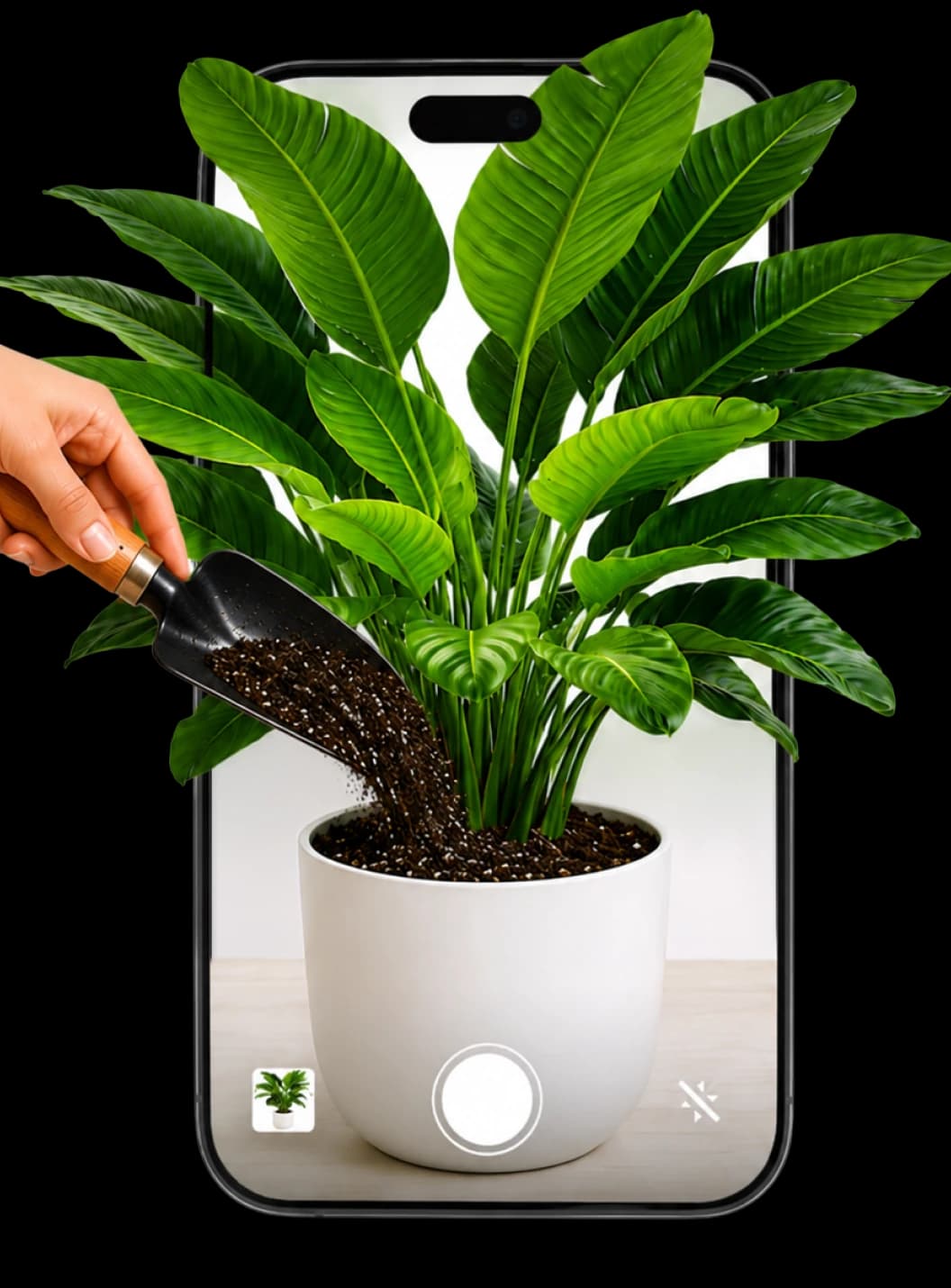
Scan. Match. Grow.

Botan helps match the plant and guides better soil choices based on how this species typically grows and what its roots handle best.

FAQ

Yes. Drainage holes help excess water leave the pot, which keeps the root zone from staying saturated too long and makes it easier to maintain a healthy Baby Rubberplant soil balance.

Everything About Baby Rubberplant

More Plant Soil Guides

Wrong Soil? Check It.

Use Botan’s photo check to see whether soil conditions may be part of the problem and what to review next.

Botan app helping with soil and plant care
Best Fertilizer for Grass in Summer: How to Choose the Right One

6 min read · 18 Aug 2026

Best Fertilizer for Grass in Summer: How to Choose the Right One

The right fertilizer in summer can make a lawn thrive. The wrong one can damage it. Here, you’ll learn the best NPK ratios by grass type, when and how to apply your formula, and how to recognize the signs of over- or under-fertilizing.

Plant Care
Best Fertilizer for Grass in Summer: How to Choose the Right One
How Fast Does Bamboo Grow Per Day, Month, and Year

10 min read · 7 Jul 2026

How Fast Does Bamboo Grow Per Day, Month, and Year

Bamboo grows extremely fast: some species can reach 5-6 m in just 3-4 months under the right conditions. This guide explains how much bamboo can grow per day, week, and year, and what affects its growth rate.

Plant Recommendations
How Fast Does Bamboo Grow Per Day, Month, and Year
Plants That Repel Bugs – 20 Effective Options

12 min read · 16 Jul 2026

Plants That Repel Bugs – 20 Effective Options

Mosquitoes on the patio? Gnats in the kitchen? Some plants keep them away with the scent of their own leaves. Here are 20 that deal with mosquitoes, flies, aphids, and more, plus where to put them so they help.

Plant Recommendations
Plants That Repel Bugs – 20 Effective Options