



Best Soil for Panda Plant (Kalanchoe tomentosa)

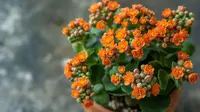
A gritty, fast-draining mix helps Kalanchoe tomentosa keep healthy roots and avoid prolonged moisture around the base.

Soil Texture

Sandy, Loamy, Rocky

Soil pH

Acidic (5.5–6.5), Slightly acidic (6.5–7.0)

Soil Drainage

Well-drained

Kalanchoe tomentosa Soil Guide

Native to Madagascar, Kalanchoe tomentosa grows in dry, exposed settings where soil is sandy, rocky, and fast draining. That background explains its preference for a loose, mineral-rich substrate with plenty of air around the roots and very little lingering moisture.

Its roots are adapted to take up water quickly, then dry between wet periods, rather than sit in dense, moisture-holding soil. The best soil for Panda Plant feels open and gritty, with light organic content and a slightly acidic to near-neutral reaction that supports steady root function.

A homemade mix gives better control over texture than standard bagged potting soil. For Kalanchoe tomentosa, aim for a blend that stays airy and drains quickly.

100% total mix = 20 scoops
10%
fine gravel or small horticultural grit2 scoops
20%
coarse sand4 scoops
30%
perlite or pumice6 scoops
40%
cactus potting soil8 scoops

The finished blend should feel loose, gritty, and crumbly, with water moving through promptly instead of pooling for long.

A slightly acidic to near-neutral range of about 5.5–7.0 suits Panda Plant well. Within that range, key nutrients stay more available to the roots without creating unnecessary uptake problems.

If the mix drifts too far acidic or too far alkaline, nutrient balance can become less efficient over time. This species usually handles small variation, but a mildly acidic range is the most reliable target.

This species is especially sensitive to soil that stays wet and stale for too long. Changes in texture, smell, or drying speed can be useful early clues.

Compacted mix:

Compacted mix: Soil that has settled into a hard mass can limit airflow around roots, so loosen the surface gently and consider replacing the mix if it no longer dries evenly.

Soggy root zone:

Soggy root zone: If the soil stays heavy for several days or smells sour, check drainage first and move the plant into a faster-draining medium if needed.

Crusted surface:

Crusted surface: A firm crust can slow air exchange and water entry, so break it up lightly and watch whether the mix underneath has become dense.

Spent old soil:

Spent old soil: Panda Plant may struggle in mix that has broken down into fine particles, so refresh it when the texture becomes dusty, muddy, or uneven.

Scan. Match. Grow.

Botan helps match the plant correctly and guides better soil choices based on how this species grows and what its roots handle best.

FAQ

Yes. Drainage holes help excess water leave the pot so the root zone does not stay wet too long. That matters more than any single ingredient in the best soil for Panda Plant.

Everything About Panda Plant

More Plant Soil Guides

Soil Problem? Scan It.

A photo-based check can help show whether soil may be part of the issue. Botan helps you rule in or rule out likely causes.

Botan app helping with soil and plant care
Is Sugar Water Good for Plants?

4 min read · 14 Sept 2026

Is Sugar Water Good for Plants?

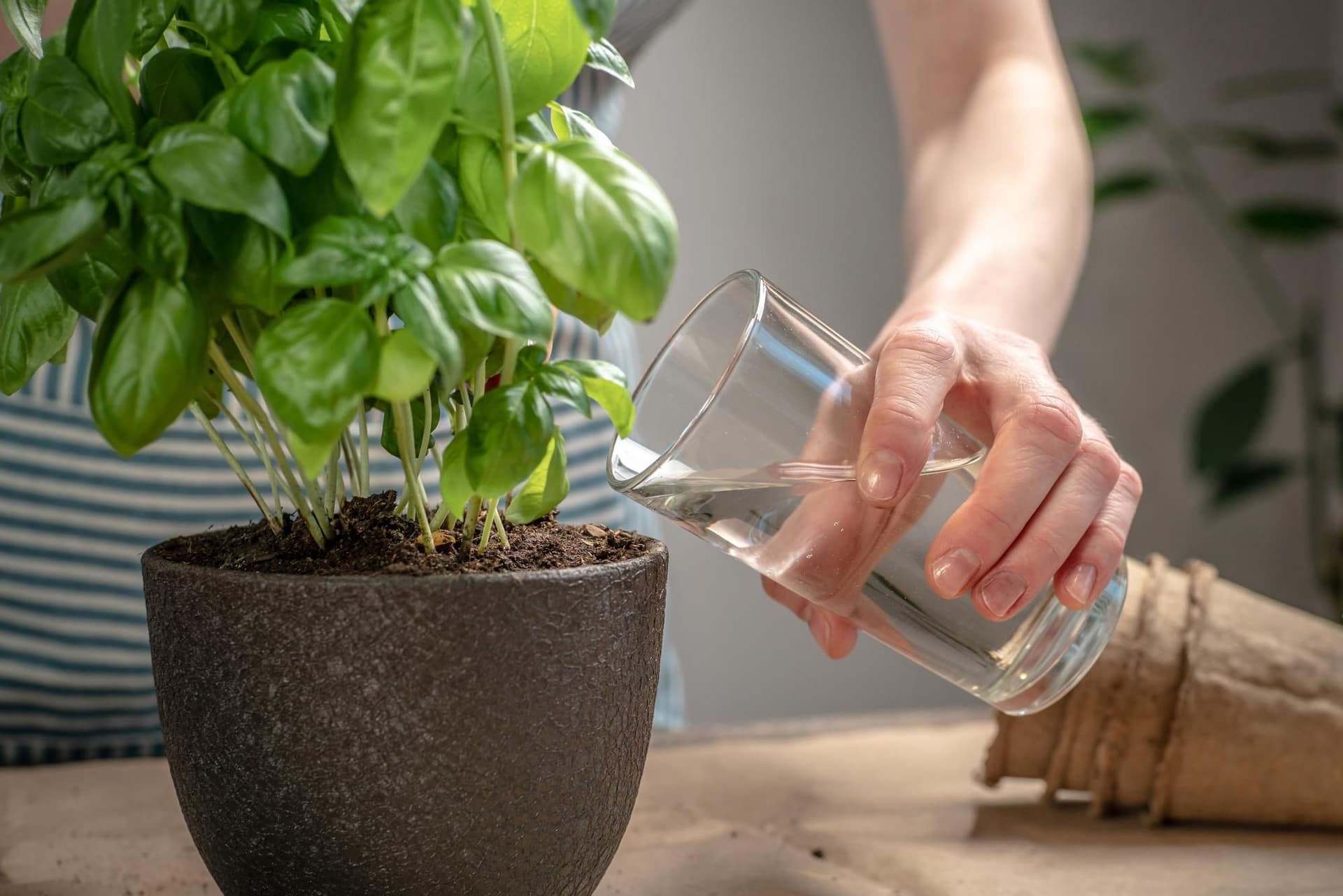
Sugar water may sound like an easy boost, but most rooted plants do not need extra sucrose. This guide explains how green tissues produce carbohydrates, when a sweetened solution can be useful, and why too much can cause problems.

Plant Care
Is Sugar Water Good for Plants?
When to Harvest Carrots: Timing, Signs, and How to Pick Them

6 min read · 23 Oct 2026

When to Harvest Carrots: Timing, Signs, and How to Pick Them

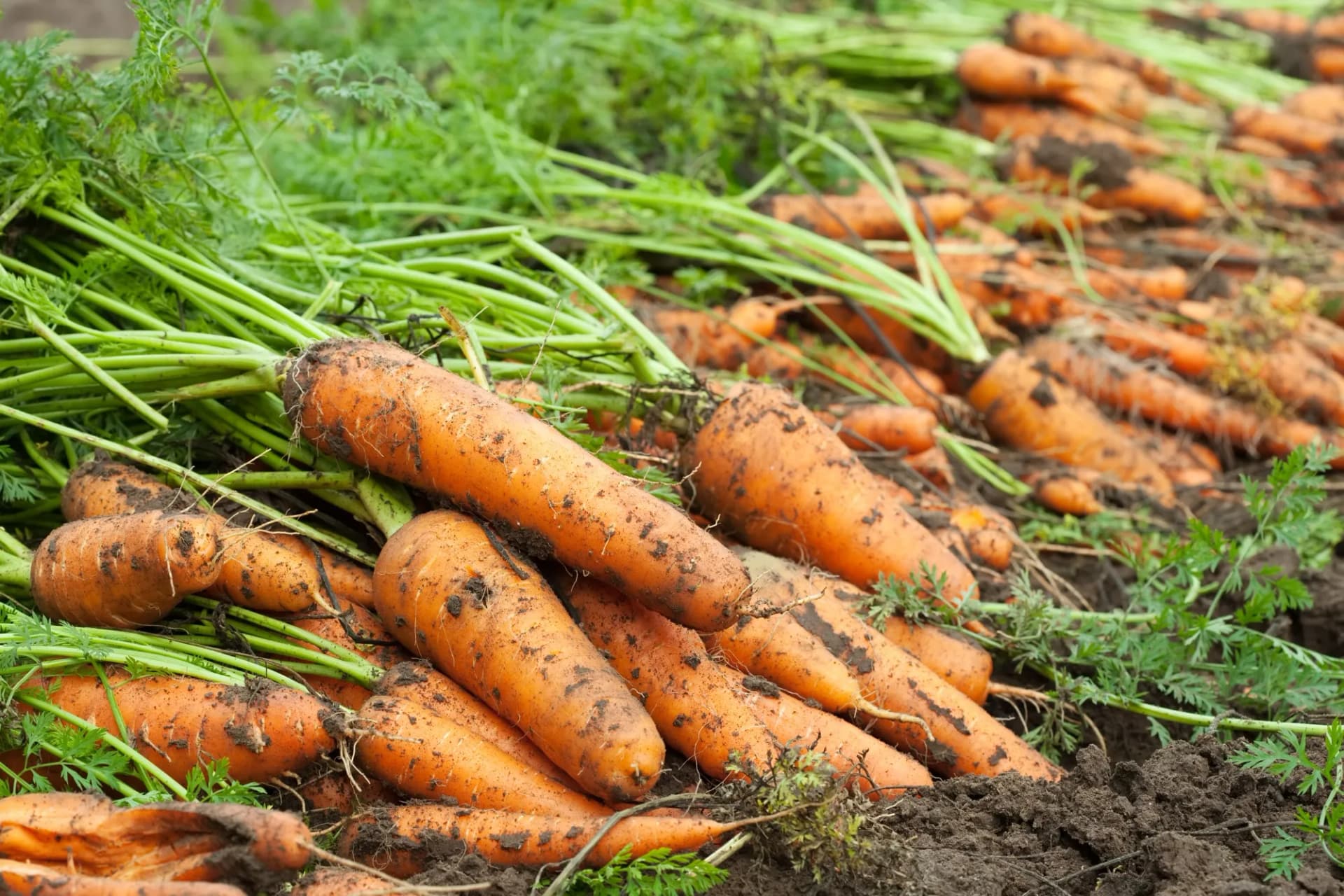
Carrots are usually ready 60-80 days after sowing them in the soil, depending on the variety. Learn how to recognize maturity signs, choose the right harvest season, pull carrots without damaging them, and store roots after picking.

Plant Care
When to Harvest Carrots: Timing, Signs, and How to Pick Them
8 Glow-in-the-Dark Plants and Fungi That Really Exist

8 min read · 6 Nov 2026

8 Glow-in-the-Dark Plants and Fungi That Really Exist

Plants that glow in the dusk really exist. Some of them produce their own light, while others need UV exposure or special treatments. Explore eight fascinating examples, including glowing petunias, bioluminescent mushrooms, fluorescent flowers, and experimental succulents.

Plant Recommendations
8 Glow-in-the-Dark Plants and Fungi That Really Exist