Best Soil for black velvet (Alocasia reginula)

A loose, organic-rich, slightly acidic mix helps Alocasia reginula keep healthy roots while staying evenly moist and well aerated.

Soil Texture

Loamy, Peaty, Organic-rich

Soil pH

Acidic (5.5–6.5), Slightly acidic (6.5–7.0)

Soil Drainage

Moist but well-drained

Alocasia reginula Soil Guide

Native to Borneo, Alocasia reginula grows in warm, humid forest conditions where the ground stays lightly moist but not waterlogged. That background explains its preference for a loose, organic-rich substrate that holds some moisture while still letting excess water move through.

Its roots and rhizomatous base benefit from steady air around them, so the best soil for black velvet feels open rather than dense or muddy. A loamy, slightly peaty texture suits this species because it balances moisture retention with drainage, helping the root zone stay evenly damp and oxygenated.


A simple homemade mix gives Alocasia reginula the balance of air, moisture, and structure it needs in a container.

100% total mix = 20 scoops
15%
fine orchid bark3 scoops
20%
perlite or pumice4 scoops
30%
high-quality potting soil6 scoops
35%
peat moss or coco coir7 scoops

The finished blend should feel light, springy, and crumbly, with enough body to stay evenly damp while excess water moves through readily.

A suitable range is about 5.5–6.8 pH. This places the soil in the acidic to slightly acidic range, which supports good nutrient availability for roots in containers.

Black velvet usually performs best when pH stays fairly steady within that window. If the mix drifts too far from it, key nutrients can become harder for the plant to absorb even when they are present.

This species can be sensitive to stale, compacted root conditions. Soil may be part of the issue when growth slows or the root zone stays out of balance.

Compaction:

Dense media can limit air around the roots; if the surface dries hard or water sits too long, gently loosen the top layer and review the mix texture.

Soggy pockets:

Waterlogged areas often develop in uneven or broken-down media; if parts of the pot stay heavy for days, check drainage and replace exhausted soil when practical.

Dry, water-repellent mix:

Peaty blends sometimes shrink and resist moisture; if water runs down the sides, re-wet the soil slowly and evenly instead of soaking all at once.

Salt buildup:

Mineral residue can collect over time and stress black velvet roots; if a crust forms on the surface, scrape it away and flush the potting mix thoroughly.

Scan. Match. Grow.

Botan helps match this plant to a more suitable soil setup, so mix choices are based on the species instead of guesswork.

FAQ

Yes. Drainage holes help excess water leave the container, which lowers the risk of stagnant conditions around the roots and keeps the black velvet soil environment more balanced.

More Plant Soil Guides

Wrong Soil? Check It.

Use Botan’s photo check to see whether a visible issue may be linked to soil conditions and what to review next.

Botan app helping with soil and plant care
Rice Water for Plants – Which Plants Love It and How to Make It

8 min read · 14 Jul 2026

Rice Water for Plants – Which Plants Love It and How to Make It

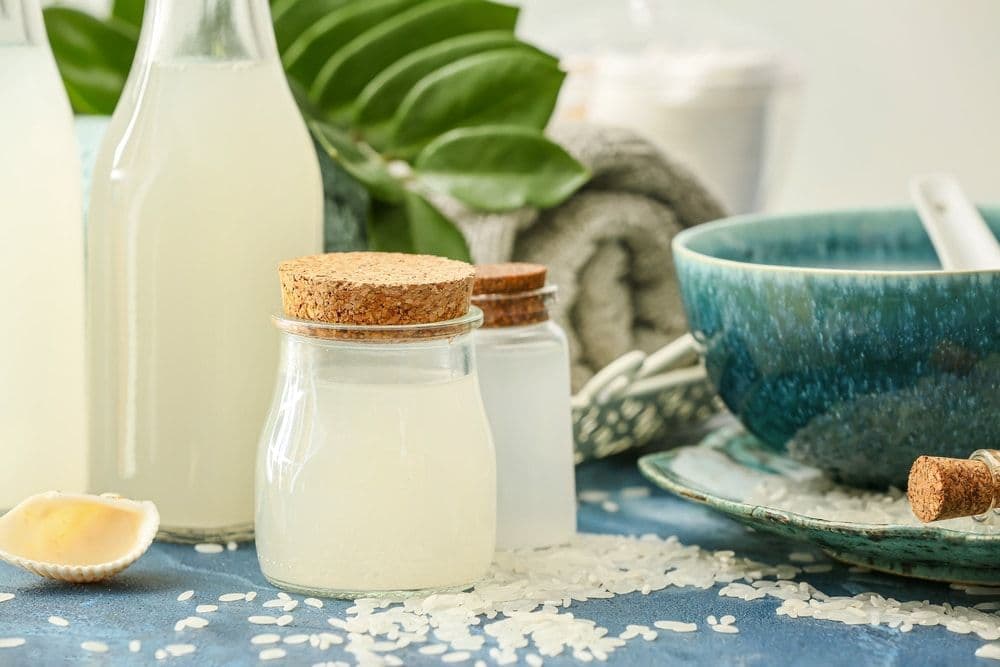
Rice water can be an ideal DIY solution for orchids, roses, or fruiting plants. It supports growth, leaf count, and height. We’ll share how to make and apply it correctly for your plant.

Plant Care
Rice Water for Plants – Which Plants Love It and How to Make It
Banana Peel Water for Plants: 5 Things to Know Before Trying It

5 min read · 9 Jul 2026

Banana Peel Water for Plants: 5 Things to Know Before Trying It

Banana water can provide potassium and some nutrients that may support plant growth, but it is not a universal fix. Use it carefully and only when the plant actually shows signs of nutrient deficiency rather than as a routine treatment.

Plant Care
Banana Peel Water for Plants: 5 Things to Know Before Trying It
How to Use a Moisture Meter for Plants

5 min read · 4 Sept 2026

How to Use a Moisture Meter for Plants

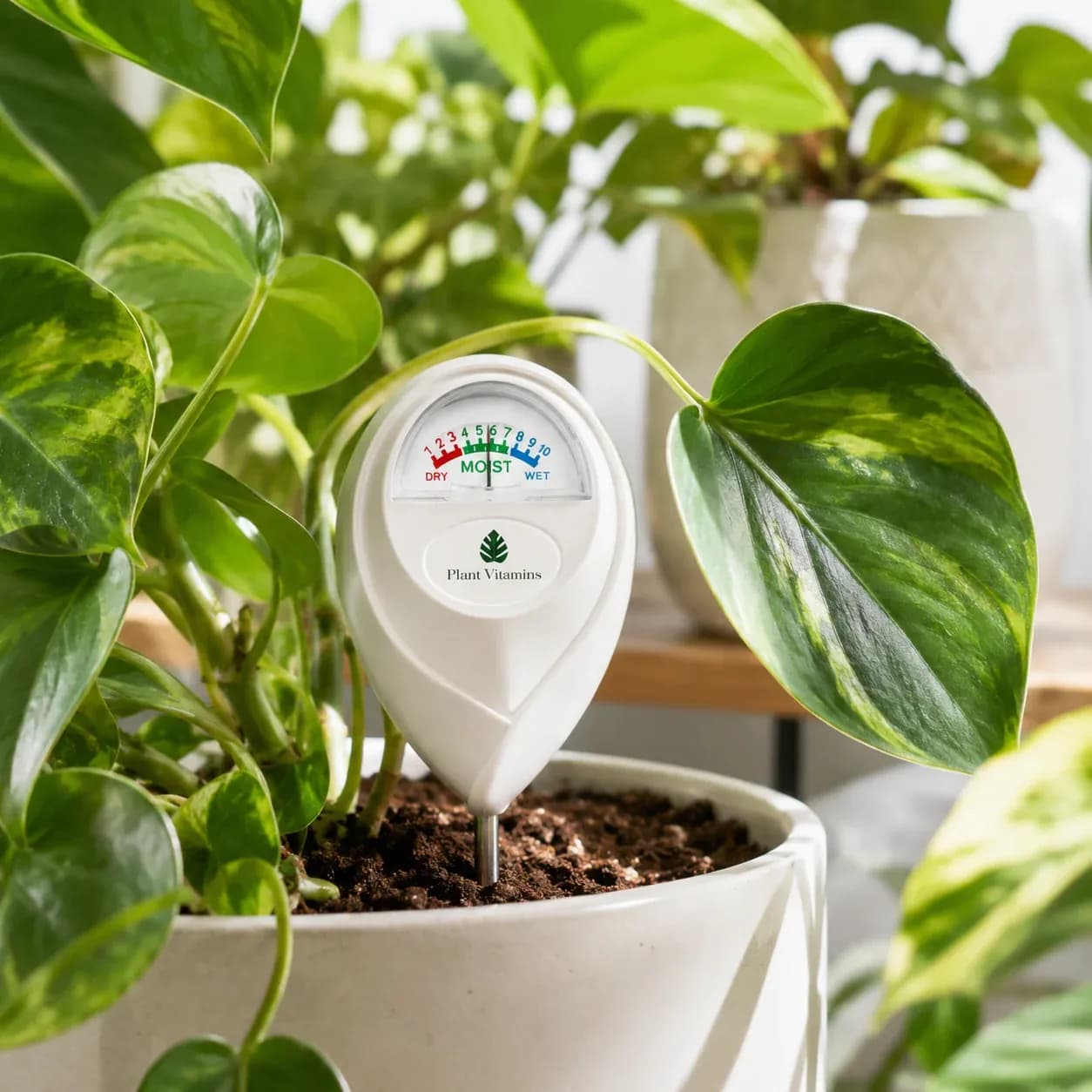
Watering by feel kills plenty of houseplants. A moisture meter checks the soil for you, and takes the guesswork out of it. This guide will show you how to use it correctly, from the first touch to the final reading.

Beginner Guides
How to Use a Moisture Meter for Plants