





Best Soil for Mangrove (Avicennia officinalis)

Avicennia officinalis grows best in a moisture-retentive yet airy substrate with neutral to slightly alkaline pH that supports healthy root function.

Soil Texture

Sandy, Silty, Organic-rich

Soil pH

Neutral (7.0), Slightly alkaline (7.0–7.5)

Soil Drainage

Waterlogged tolerant

Avicennia officinalis Soil Guide

Native to tropical coastal South and Southeast Asia, Avicennia officinalis grows in tidal wetlands, estuaries, and muddy shorelines where the ground stays saturated for long periods. That habitat explains its unusual tolerance for waterlogged soil and its preference for consistently moist, mineral-rich substrate.

The best soil for Mangrove is sandy to silty with plenty of fine organic matter, so roots stay anchored while still getting some air between tidal floods. A neutral to slightly alkaline reaction suits the coastal sediments this species naturally occupies.

A custom blend helps balance air space and moisture for Avicennia officinalis in containers. The goal is a mix that stays soft, open, and evenly damp.

100% total mix = 20 scoops
15%
perlite or pumice3 scoops
25%
silt-rich topsoil5 scoops
25%
compost or aged leaf mold5 scoops
35%
coarse sand7 scoops

The finished blend should feel crumbly and slightly weighty, hold moisture well, and still let excess water move through without sealing up.

A practical target for Mangrove is about 7.0–7.5 pH. This places it in neutral to slightly alkaline soil, which fits its natural preference well.

Within that range, key nutrients stay reasonably available without pushing the root zone too far acidic. Slight variation is usually tolerated, but a stable reading near neutral tends to support more balanced uptake over time.

This species handles wet conditions well, but container soil can still create avoidable root stress. Small changes in structure often matter more than growers expect.

Compacted mix:

If the surface hardens and water sits in place, gently loosen only the top layer and replace part of the mix with a more open texture.

Sour-smelling root zone:

A stale or sulfur-like odor suggests the medium has become stagnant, so improve air space and refresh the most affected portion promptly.

Salt buildup:

White crusts on the soil surface or pot rim can point to accumulating minerals, and the first response is to flush thoroughly when conditions allow.

Rapid settling:

When the soil level drops quickly after planting, the mix may be breaking down too fast, so top up with a more stable blend rather than packing it down.

Soil Help, Fast

Botan helps narrow down the right substrate by matching plant details with practical soil guidance for container growing.

FAQ

Yes. Even though this species tolerates very wet conditions, a container still benefits from drainage holes so the root zone does not turn stagnant and difficult to manage.

More Plant Soil Guides

Check Your Soil Choice

If growth or leaf condition seems off, Botan can help check whether the current soil could be part of the picture from a photo assessment.

Botan app helping with soil and plant care
How To Revive a Dying Plant: 6 Steps To Bring A Plant Back To Life

6 min read · 1 Sept 2026

How To Revive a Dying Plant: 6 Steps To Bring A Plant Back To Life

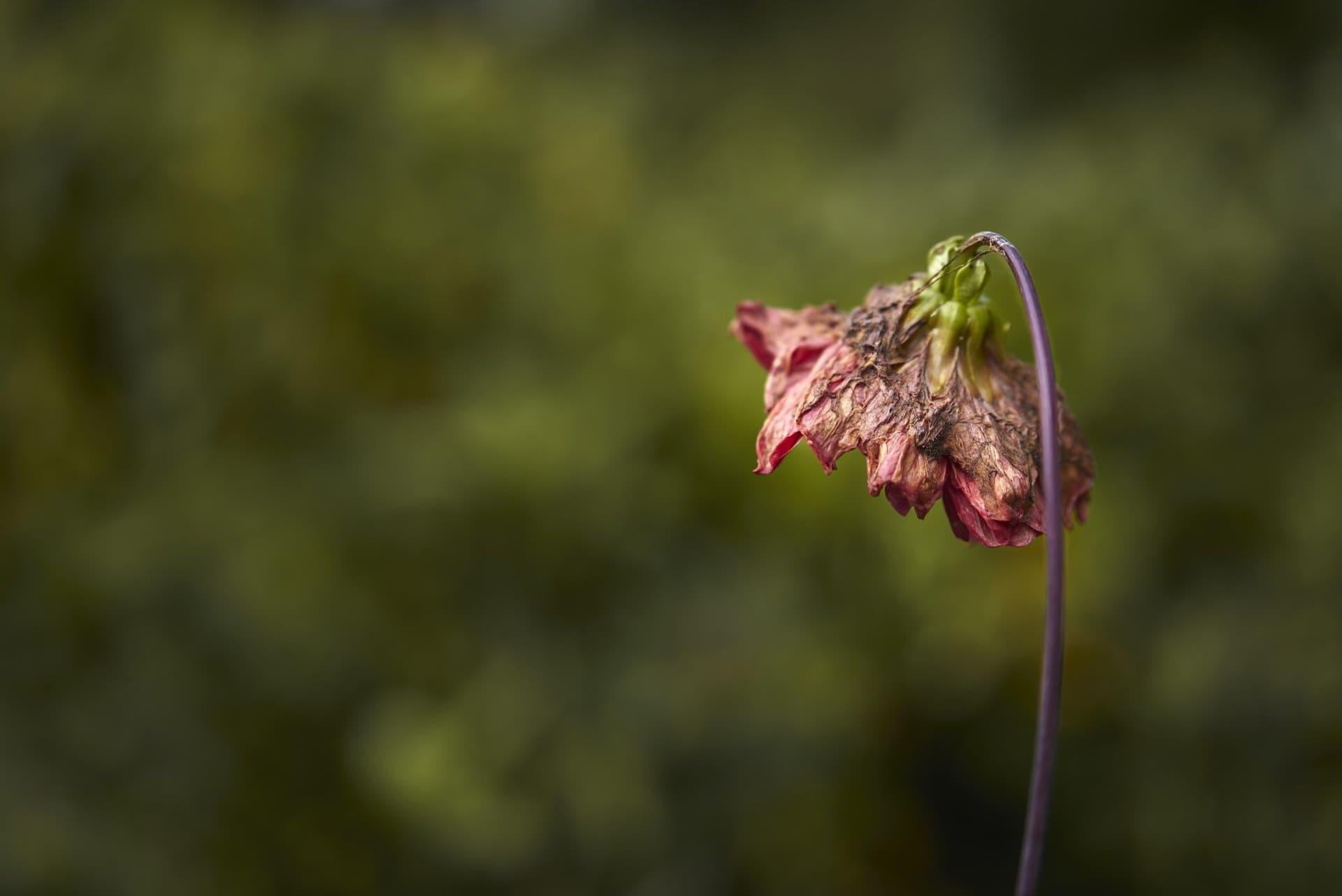
Drooping leaves and brown tips don't always mean the end, and a weakened plant can often recover with a little help. These six simple steps will help you revive a dying plant and restore its health.

Plant Care
How To Revive a Dying Plant: 6 Steps To Bring A Plant Back To Life
How to Bottom Water Plants: Complete Guide

6 min read · 13 Jul 2026

How to Bottom Water Plants: Complete Guide

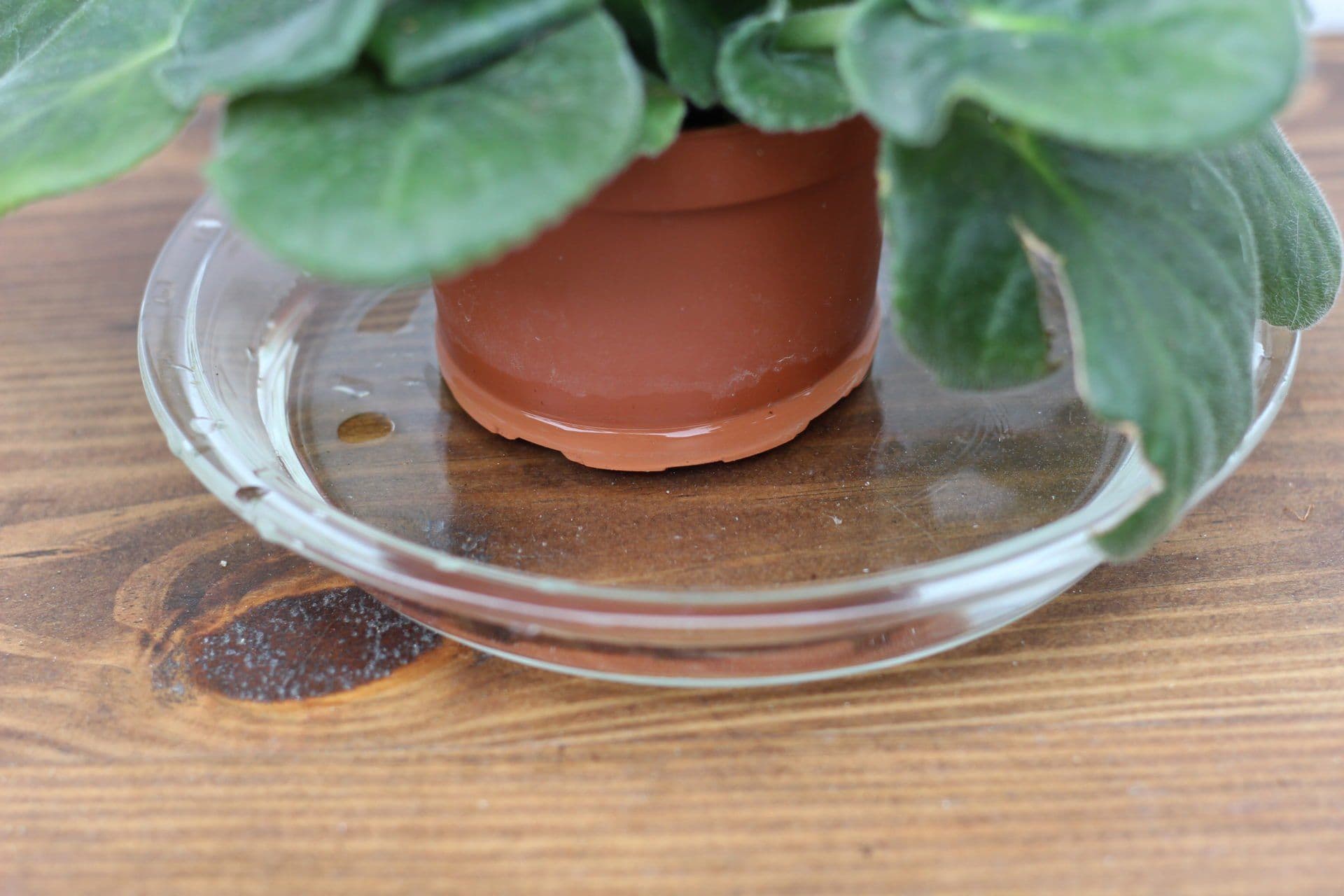
Bottom watering helps soil absorb moisture evenly and keeps foliage dry, reducing the risk of missed dry spots or root problems. Place the pot in a tray of water for a short time, then let it drain well.

Plant Care
How to Bottom Water Plants: Complete Guide
How to Clean Plant Leaves: A Simple Care Guide

6 min read · 4 Aug 2026

How to Clean Plant Leaves: A Simple Care Guide

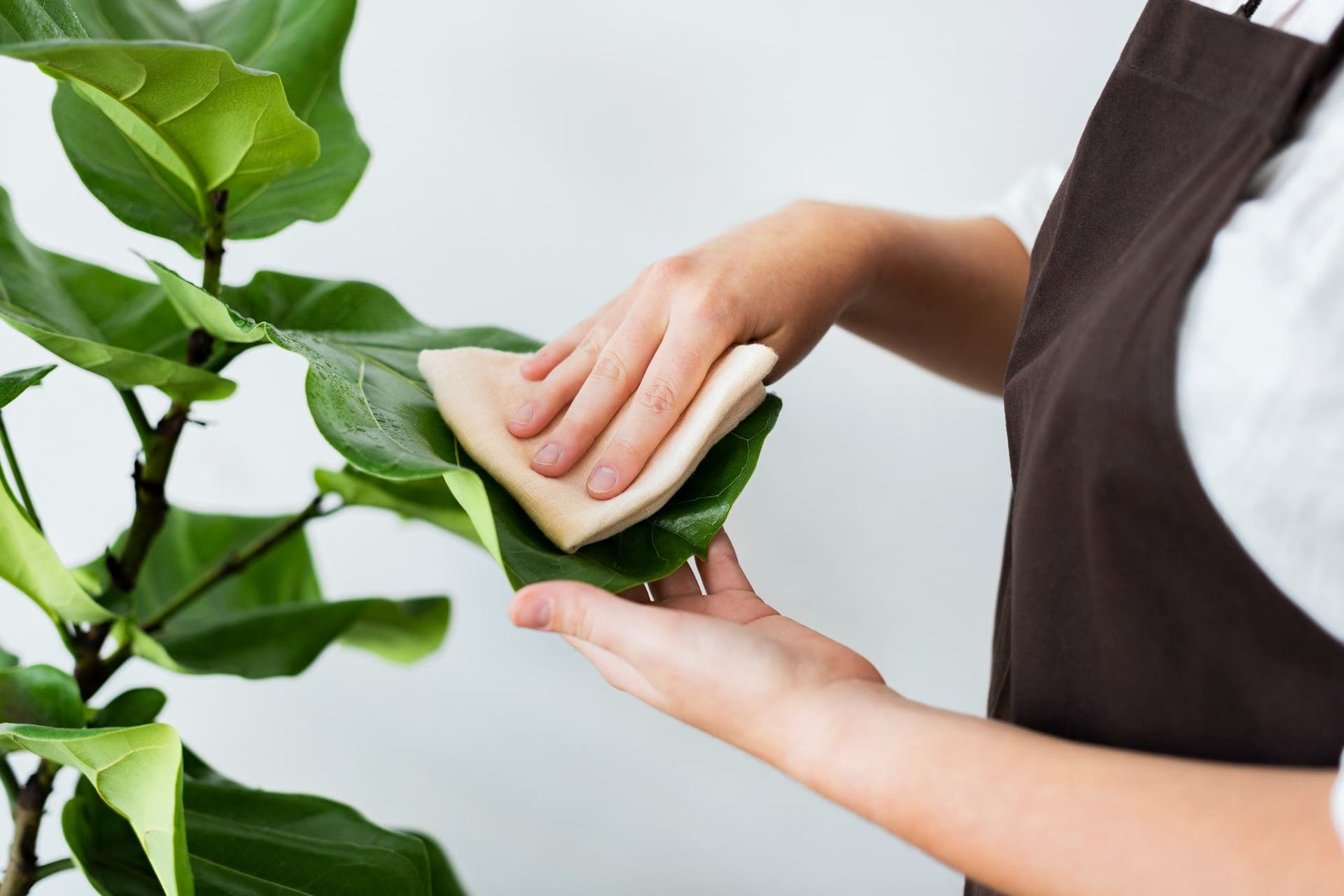
Dusty leaves look dull and don't absorb light well. Below, you'll find simple ways to clean them, which tools are truly effective, how often you should do it, and what causes damage.

Beginner Guides
How to Clean Plant Leaves: A Simple Care Guide