




Best Soil for Bird of paradise plant (Strelitzia reginae)

For strong roots and steady growth, Strelitzia reginae needs a loose, moisture-balanced soil mix with reliable drainage and slight acidity.

Soil Texture

Sandy, Loamy, Organic-rich

Soil pH

Acidic (5.5–6.5), Slightly acidic (6.5–7.0)

Soil Drainage

Moist but well-drained

Strelitzia reginae Soil Guide

Native to South Africa, Strelitzia reginae grows in warm, bright conditions where soil stays lightly moist but drains freely. Its natural habitat helps explain why Bird of paradise plant soil should feel open and airy rather than dense or soggy.

This species has thick, fleshy roots that store some moisture, so the best soil for Bird of paradise plant balances steady hydration with good oxygen around the roots. A sandy, loamy, organic-rich substrate suits it well because it holds enough moisture for active growth without staying compacted or waterlogged.

A homemade mix gives Strelitzia reginae the balance of airflow and moisture control this species needs in containers.

100% total mix = 20 scoops
15%
compost or coco coir3 scoops
20%
perlite or pumice4 scoops
25%
pine bark fines or orchid bark5 scoops
40%
high-quality potting soil8 scoops

The finished blend should feel light, slightly chunky, and easy to crumble, with moisture spread evenly through it before excess drains away.

A good target for this species is about 5.5–6.8 pH. That places it in the acidic to slightly acidic range, where important nutrients stay more available to the roots.

Bird of paradise plant usually handles mild variation, but staying near that range supports steadier uptake of iron, manganese, and other minerals without making the root zone chemically restrictive.

This species handles brief drying better than stale, airless root conditions. Several common issues begin below the surface and are worth checking early.

Compacted soil:

Dense media can limit oxygen around the roots and slow growth, so gently loosen only the surface and plan to replace the mix if it stays hard.

Soggy root zone:

If the container stays heavy and wet for long periods, the root area may be holding too much moisture, so check drainage and let excess water exit fully.

Hydrophobic mix:

Very dry organic media can repel water and leave dry pockets, so re-wet the root ball gradually until the mix absorbs moisture evenly again.

Salt buildup:

A crust on the soil surface or pot rim can point to accumulated minerals, so flush the mix thoroughly once and monitor whether residue returns.

Soil Help, Fast

Botan helps match this plant to a suitable soil setup so drainage, texture, and container conditions make more sense from the start.

FAQ

Yes. Drainage holes help excess water leave the container and keep the root zone better oxygenated, which supports a more stable Bird of paradise plant soil environment over time.

Everything About Bird of paradise plant

More Plant Soil Guides

Could It Be the Soil?

A photo check can help show whether the root zone is worth a closer look. Botan helps rule in or rule out soil as one possible factor.

Botan app helping with soil and plant care
10 Easy Garden Flowers to Grow

8 min read · 10 Sept 2026

10 Easy Garden Flowers to Grow

Discover 10 garden flowers that require minimal care. Learn which characteristics make plants easy to grow and follow tips on how to create a beautiful corner from beginner-friendly blooms on your property.

Beginner Guides
10 Easy Garden Flowers to Grow
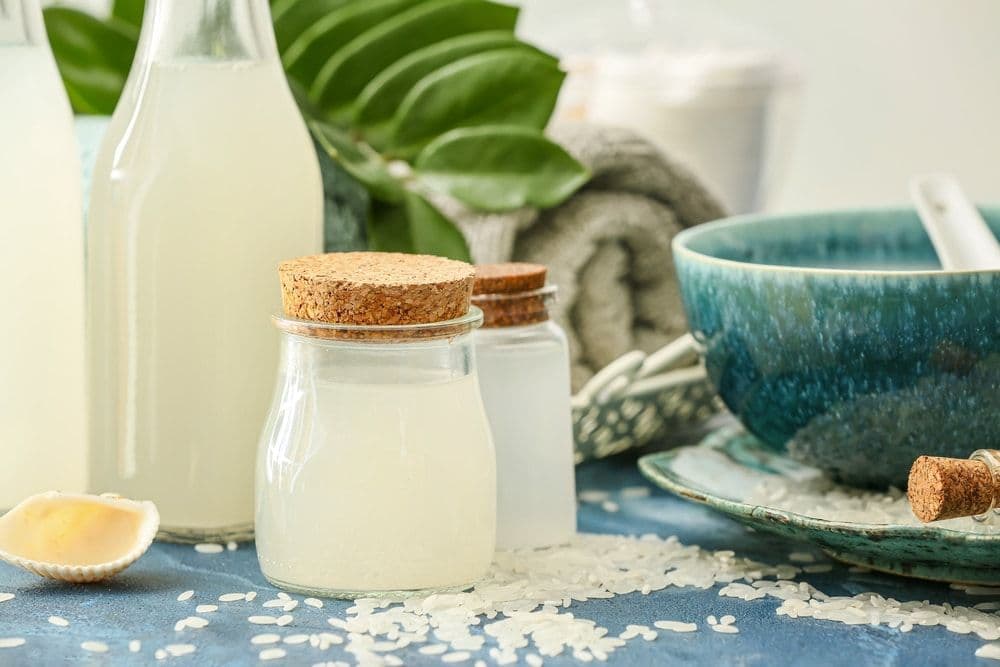
Rice Water for Plants – Which Plants Love It and How to Make It

8 min read · 14 Jul 2026

Rice Water for Plants – Which Plants Love It and How to Make It

Rice water can be an ideal DIY solution for orchids, roses, or fruiting plants. It supports growth, leaf count, and height. We’ll share how to make and apply it correctly for your plant.

Plant Care
Rice Water for Plants – Which Plants Love It and How to Make It
Is Sugar Water Good for Plants?

4 min read · 14 Sept 2026

Is Sugar Water Good for Plants?

Sugar water may sound like an easy boost, but most rooted plants do not need extra sucrose. This guide explains how green tissues produce carbohydrates, when a sweetened solution can be useful, and why too much can cause problems.

Plant Care
Is Sugar Water Good for Plants?