Bird of paradise plant (Strelitzia reginae) Watering Guide

This page explains when, how often, and how much to water Strelitzia reginae to support steady, healthy growth.

Water Requirements

Moderate Water

Strelitzia reginae Watering

Native to South Africa’s seasonal rainfall regions, Bird of paradise prefers soil that dries slightly between thorough waterings. Strelitzia reginae copes better with brief dryness than prolonged sogginess, especially in typical indoor conditions.

Indoors, aim for moderate, steady moisture, while outdoor plants tolerate a bit more natural rain and drying. This overview prepares for detailed guidance on watering Bird of paradise plant, focusing on how to water Bird of paradise plant effectively over time.

Let the top 1–2 inches (3–5 cm) of soil dry before watering again; the pot should feel lighter and the surface look dry and crumbly. Indoors, this usually means watering about every 7–14 days, with brighter light or outdoor summer heat shortening the interval and lower light or cooler seasons extending it.

Water when the top 2 inches of soil feel dry; this Bird of paradise plant prefers deep, even moisture.

  • Pour room-temperature water slowly around the base, circling the pot so moisture spreads through the entire root zone.
  • Continue adding water until it begins to drain from the bottom holes, ensuring the central root mass is thoroughly moistened.
  • Let the pot drain fully, then empty saucers or cachepots so the roots do not sit in leftover water.

Incorrect moisture around Strelitzia reginae can quietly trigger several avoidable growth and health problems.

Yellowing Lower Leaves:

Older leaves turn soft and yellow from chronically wet soil and limited root oxygen availability.

Brown Crispy Leaf Edges:

Leaf margins dry and brown when watering is infrequent and humidity stays very low indoors.

Drooping, Wilting Foliage:

Petiole and leaf blades sag after deep drought periods or sudden, uneven drying cycles.

Mushy Roots And Sour Soil:

Roots feel soft, smell foul, and growth stalls when containers lack drainage and remain saturated.

Stunted New Growth:

Emerging leaves stay small and distorted when roots alternate between prolonged dryness and overwatering cycles.

Keep soil evenly moist, not soggy, using deep, infrequent watering and fast-draining, aerated mix.

Poor watering habits can stress Strelitzia reginae, limiting growth and blooms and making Bird of paradise plant more pest-prone.

  • Watering by schedule: Following a fixed calendar instead of checking soil moisture often leads to extremes; test the top layer and adjust timing.
  • Dense, soggy potting mix: Using heavy garden soil traps water around roots; choose a chunky, well-draining mix with added perlite or bark pieces.
  • Pot with weak drainage: Keeping the plant in a pot without good drainage holes holds excess water; use a container that empties quickly after watering.

Healthiest watering comes from watching soil dryness, drainage, and container design, then adjusting amounts and timing to current conditions.

  • Spring: Growth increases, so let the top 1–2 inches of mix dry, then water more deeply and slightly more often as light improves.
  • Summer: In strong heat and bright light, check soil more frequently and water when the top layer dries, while avoiding standing water in saucers.
  • Fall: As days shorten and growth slows, extend the drying period between waterings and reduce volume slightly to prevent lingering moisture.
  • Winter: With cooler temperatures and slower growth, allow the mix to dry deeper between waterings, especially for indoor plants in lower light.

Your Assistant for Proper Watering

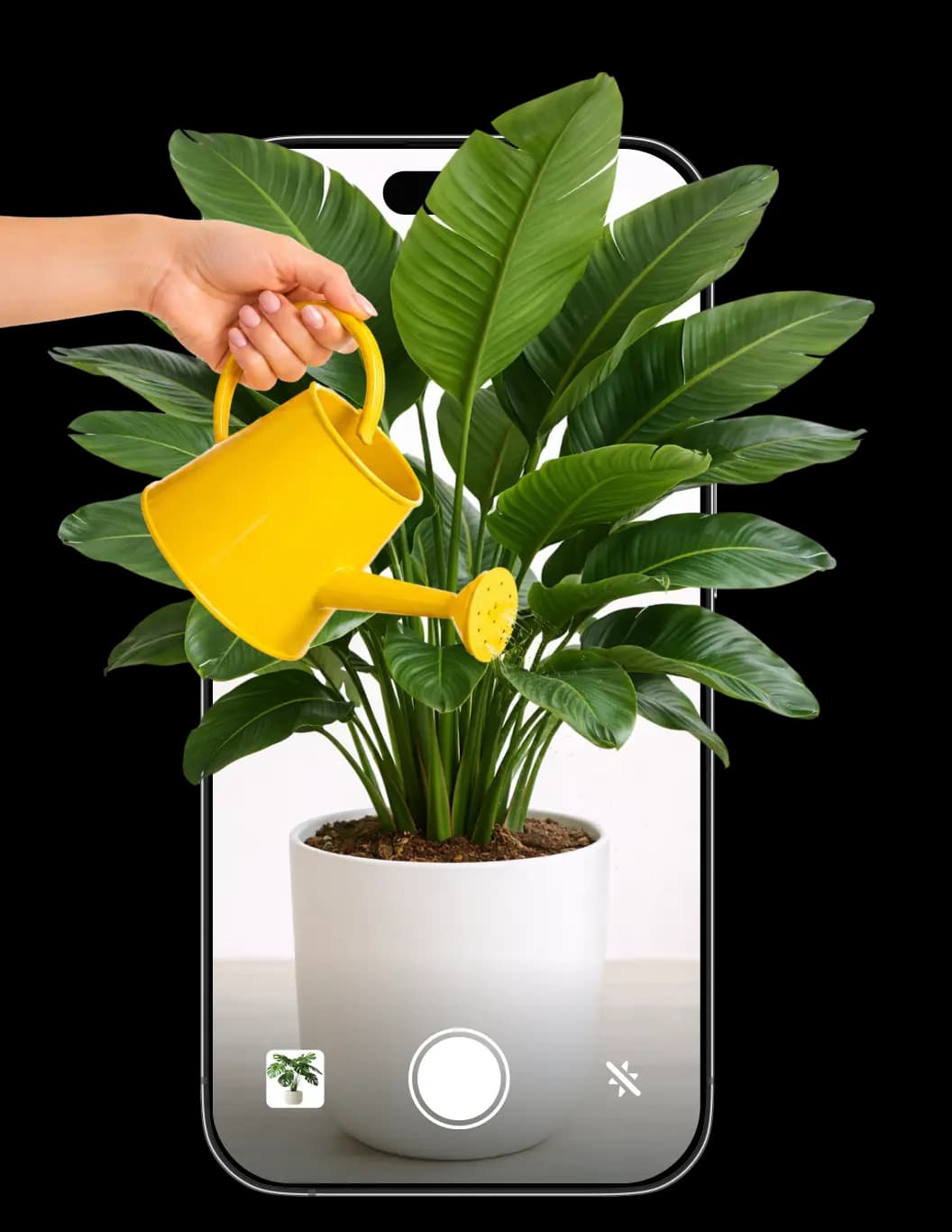
Use Botan for a simple watering guide and care reminders tailored to your Strelitzia reginae, plus gentle photo-based checkups that help notice leaf issues and other early plant problems.

Botan plant care app — identify plants on mobile

Interesting Watering Facts

Seasonal drought tolerance

In its native South African range, Strelitzia reginae experiences winter rainfall and dry summers, so mature plants tolerate short dry spells well once established, especially in the ground, provided roots had time to develop deeply in a freely draining soil.


Sensitive to soggy roots

Field and landscape observations show Strelitzia reginae is notably prone to root and rhizome rot in poorly drained or waterlogged soils, which is why it performs best where irrigation and rainfall drain away quickly rather than pooling around the crown.

FAQ

Let the top 2–3 inches of soil dry fully, then resume light, infrequent watering. Improve drainage with a gritty mix, remove any standing water, and prune away black, mushy roots after gently sliding the plant out.

Everything About Bird of paradise plant

More Plant Watering Guides

Is Your Watering Routine Hurting Your Bird of paradise plant?

Botan quickly checks if current watering amounts and timing stay on track.

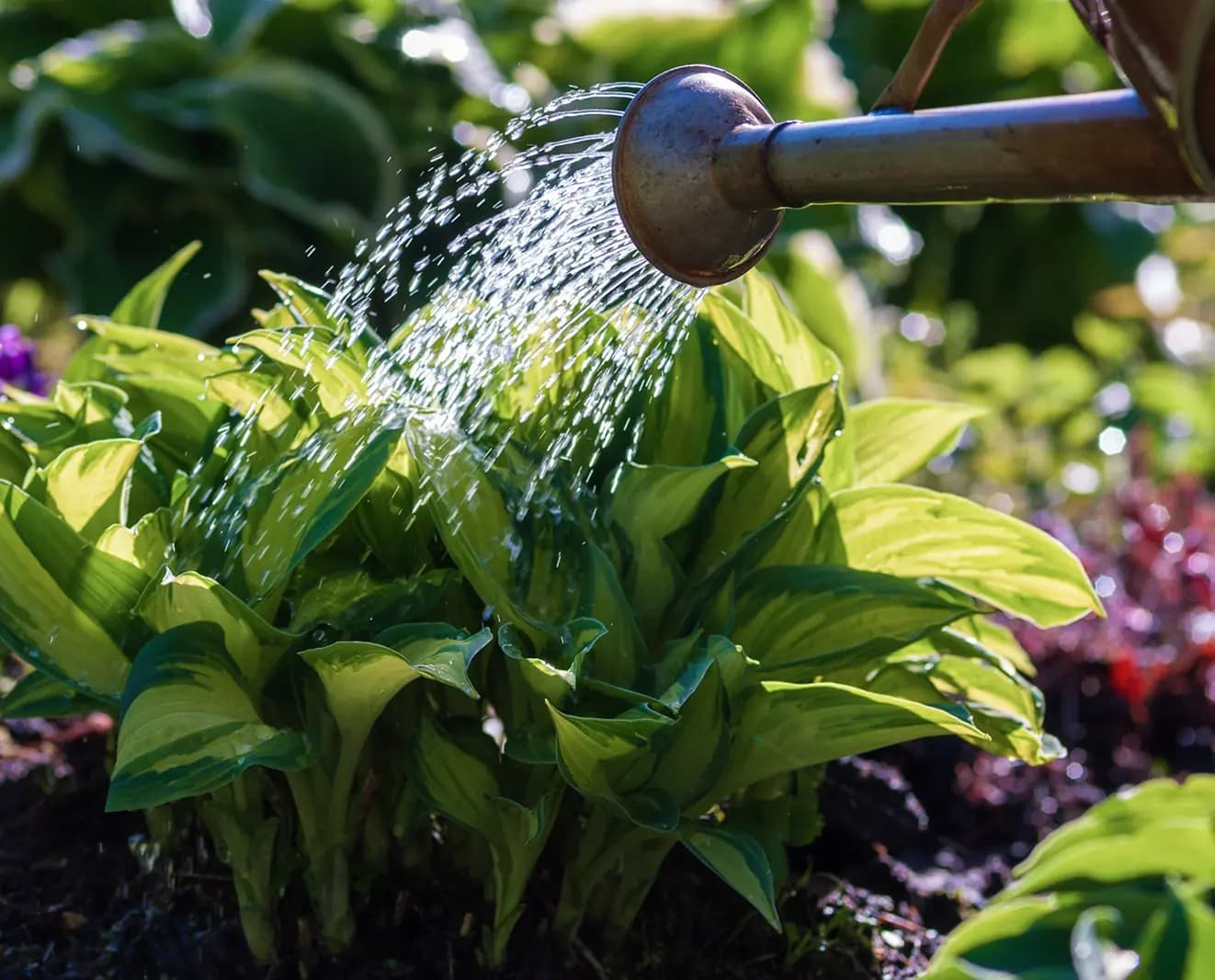
Watering a plant with a copper watering can
10 Easy Garden Flowers to Grow

8 min read · 10 Sept 2026

10 Easy Garden Flowers to Grow

Discover 10 garden flowers that require minimal care. Learn which characteristics make plants easy to grow and follow tips on how to create a beautiful corner from beginner-friendly blooms on your property.

Beginner Guides
10 Easy Garden Flowers to Grow
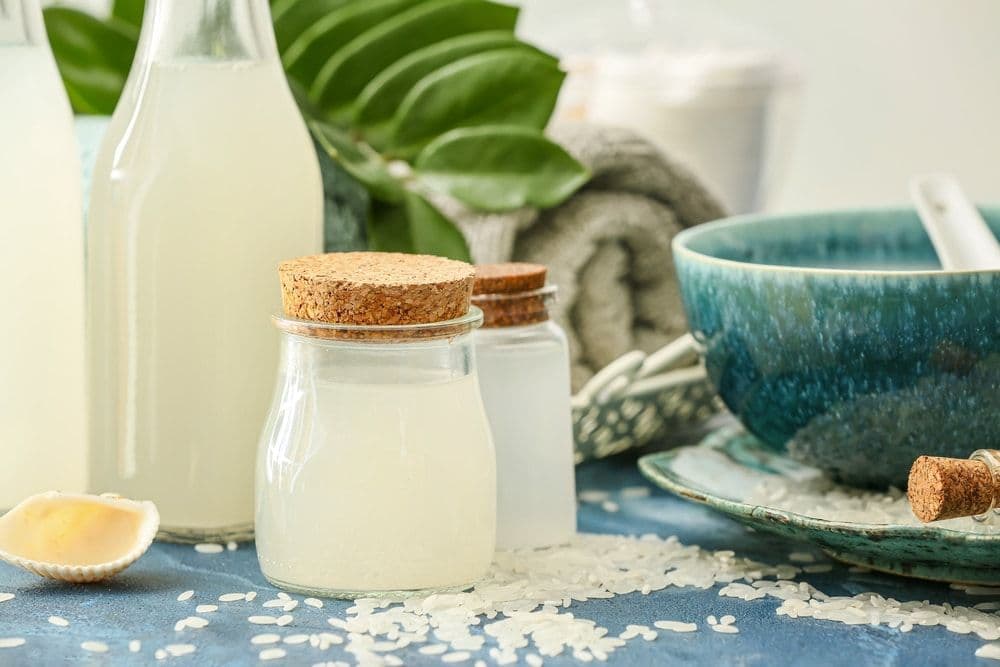
Rice Water for Plants – Which Plants Love It and How to Make It

8 min read · 14 Jul 2026

Rice Water for Plants – Which Plants Love It and How to Make It

Rice water can be an ideal DIY solution for orchids, roses, or fruiting plants. It supports growth, leaf count, and height. We’ll share how to make and apply it correctly for your plant.

Plant Care
Rice Water for Plants – Which Plants Love It and How to Make It
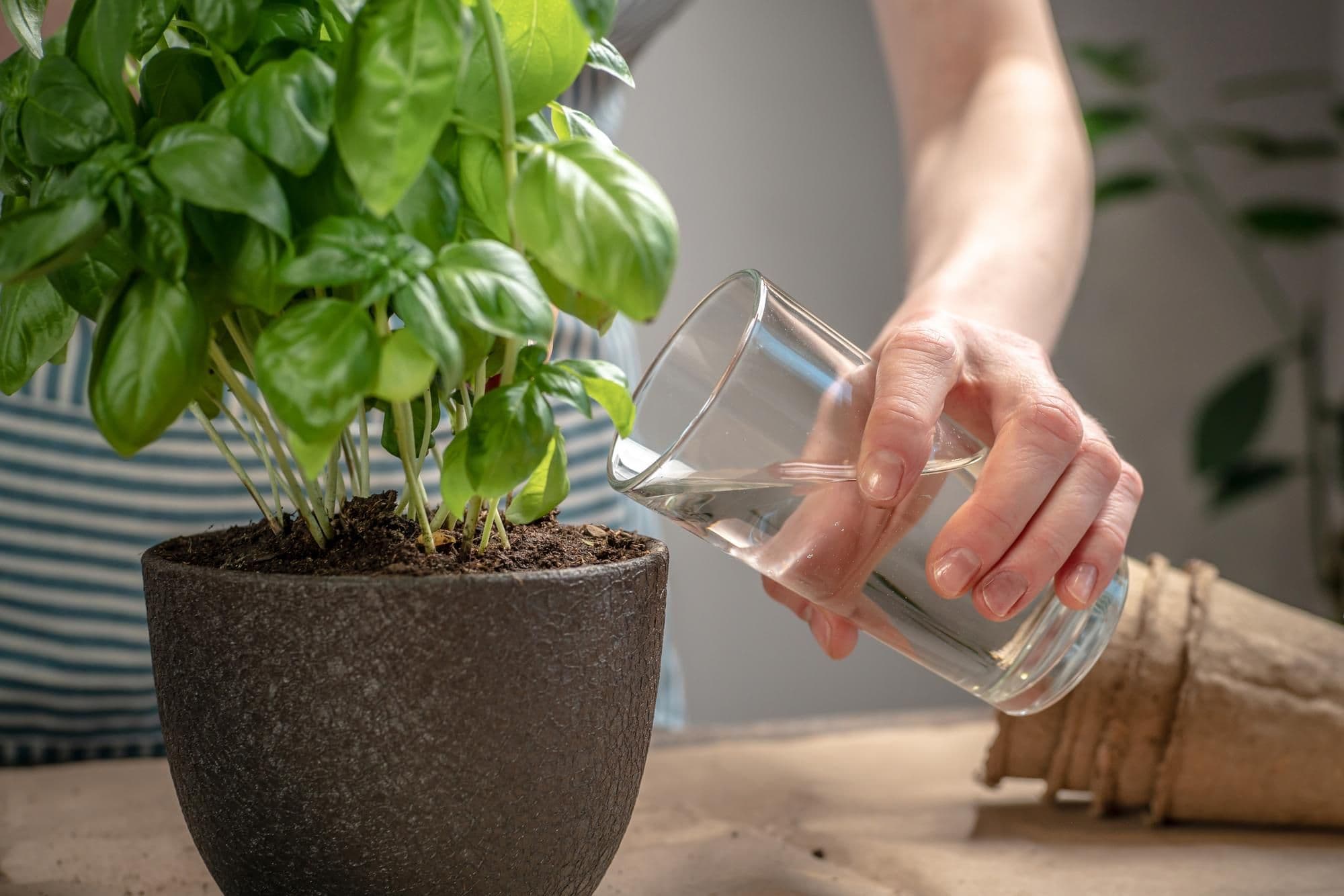
Is Sugar Water Good for Plants?

4 min read · 14 Sept 2026

Is Sugar Water Good for Plants?

Sugar water may sound like an easy boost, but most rooted plants do not need extra sucrose. This guide explains how green tissues produce carbohydrates, when a sweetened solution can be useful, and why too much can cause problems.

Plant Care
Is Sugar Water Good for Plants?