
Hoya linearis Watering Guide

This page explains when, how often, and how much to water Hoya linearis for practical, consistent care.

Water Requirements

Moderate Water

Hoya linearis Watering

This trailing hoya comes from cool, humid mountain forests, where roots experience light moisture with brief drying periods. Indoors, Hoya linearis prefers slightly moist soil that partly dries between waterings, not constant wetness. Understanding this balance is the foundation of watering Hoya linearis effectively.

Think of watering as gently matching those naturally patchy moisture conditions, then fine‑tuning frequency to your light, potting mix, and indoor climate.

Let the potting mix dry out most of the way, then water when the top 1–2 inches (3–5 cm) feel completely dry. Hoya linearis usually reaches this point every 7–14 days indoors, but brighter light or warmer temperatures shorten the interval, while lower light lengthens it.

Water Hoya linearis when the top half of the potting mix feels dry, using a slow, controlled soak-and-drain approach.

  • Pour room-temperature water slowly over the soil surface, circling the pot so moisture spreads evenly through the mix.
  • Continue adding water until it flows from the drainage holes, ensuring the entire root zone is evenly moistened.
  • Allow the pot to drain completely for several minutes, then empty any saucer so roots do not sit in leftover water.
  • Keep stems and foliage mostly dry while watering, directing the stream at the soil instead of onto hanging vines.

Incorrect moisture around Hoya linearis leads to stress, slowing growth and inviting health problems.

Yellowing Soft Leaves:

Lower leaves turn pale and mushy from chronically wet mix and insufficient drainage around roots.

Shriveling Thin Stems:

Hanging vines look thin and wrinkled when the potting mix stays dry for extended periods.

Blackened Root System:

Roots appear dark, slimy, and foul-smelling after prolonged saturation and poor air movement in substrate.

Leaf Drop Near Crown:

Inner foliage falls from the base when roots fluctuate between bone-dry and waterlogged conditions.

Keep the mix lightly moist, then allow partial drying, avoiding both full dryness and saturation.

Unsuitable watering habits can leave Hoya linearis stressed for long periods, slowing growth and weakening its fine, trailing foliage.

  • Rigid calendar watering: Watering on a fixed schedule ignores seasonal changes; instead, wait until the top portion of the mix feels mostly dry before watering again.
  • Dense, moisture-heavy soil: Using heavy potting soil holds water around the roots; choose a chunky, fast-draining mix with bark, perlite, or pumice instead.
  • Trapped saucer runoff: Leaving excess water in the saucer keeps the mix saturated; empty it a few minutes after watering so roots can breathe.

Safer watering relies on quick drainage, partial drying between waterings, and small adjustments based on light, temperature, and plant response.

  • Spring: As light increases, slightly lengthen watering once top soil dries, supporting new vine and root growth without leaving the mix soggy.
  • Summer: In bright, warm conditions, check moisture more often, watering when the mix is mostly dry and ensuring good airflow around trailing stems.
  • Fall: With growth slowing, let the potting mix dry more between waterings, especially if indoor light levels begin to drop.
  • Winter: In cooler, lower-light rooms, reduce watering volume and frequency, keeping the mix just lightly dry rather than fully parched for long periods.

Get Your Hoya linearis Watering Schedule

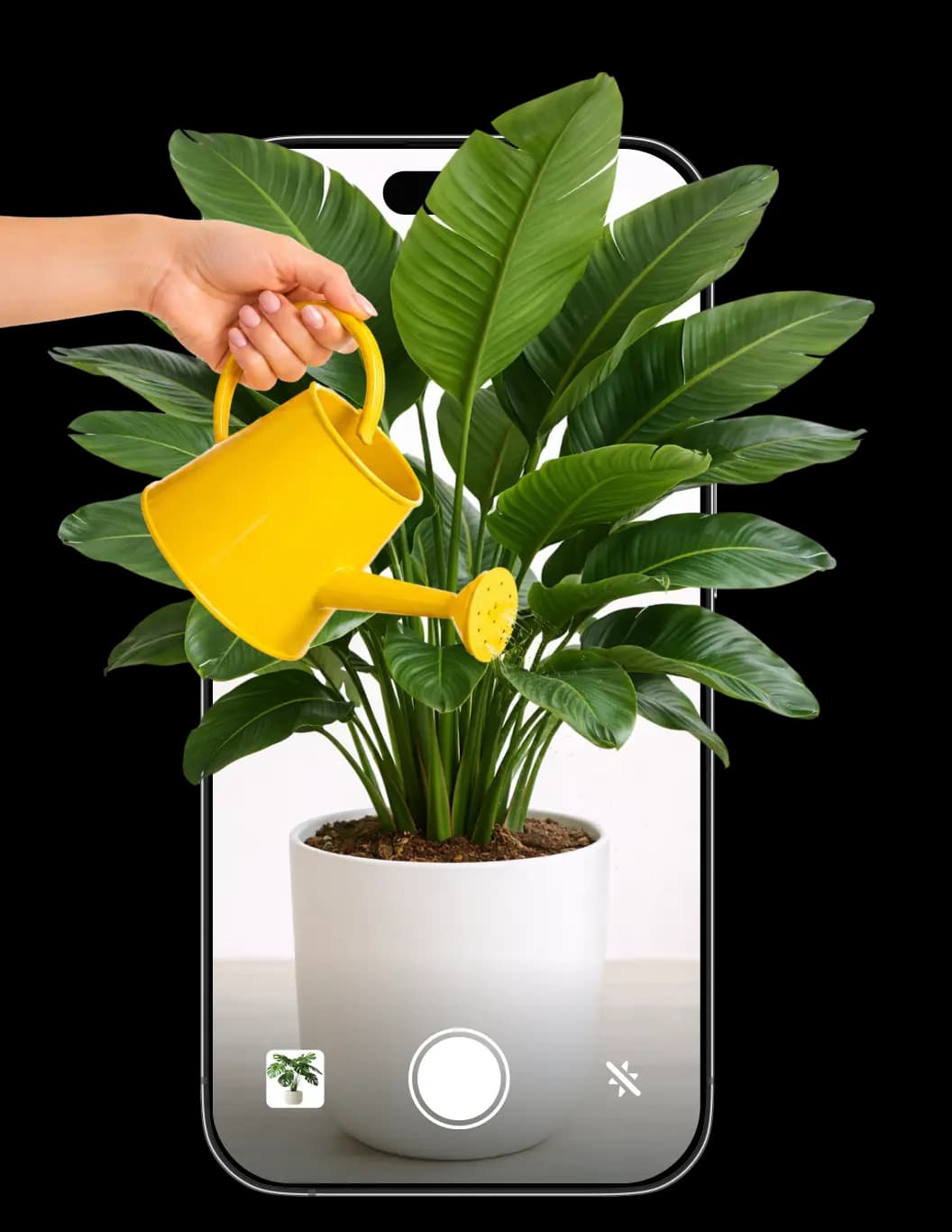
Use Botan for a simple watering guide and care routines for Hoya linearis, plus calm photo-based checkups that can flag early signs of watering stress or other issues.

Botan plant care app — identify plants on mobile

FAQ

Let the pot sit in a tray of water for about 15–30 minutes, then check that the top feels slightly moist. Empty any remaining water so the roots do not stay saturated and risk rot.

Everything About Hoya linearis

More Plant Watering Guides

Is Your Watering Routine Hurting Your Hoya linearis?

Botan reviews your watering pattern and highlights when adjustments may be helpful.

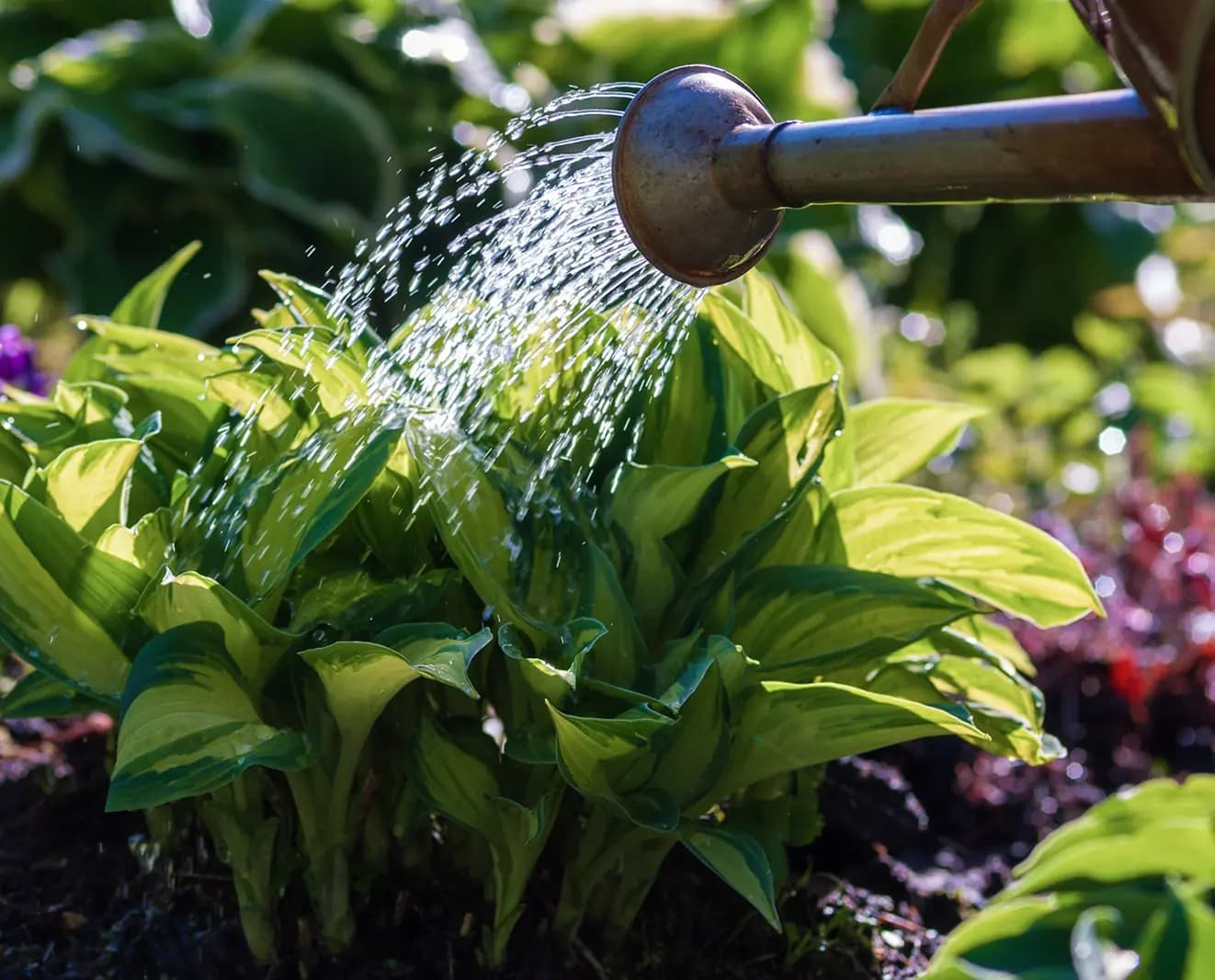
Watering a plant with a copper watering can
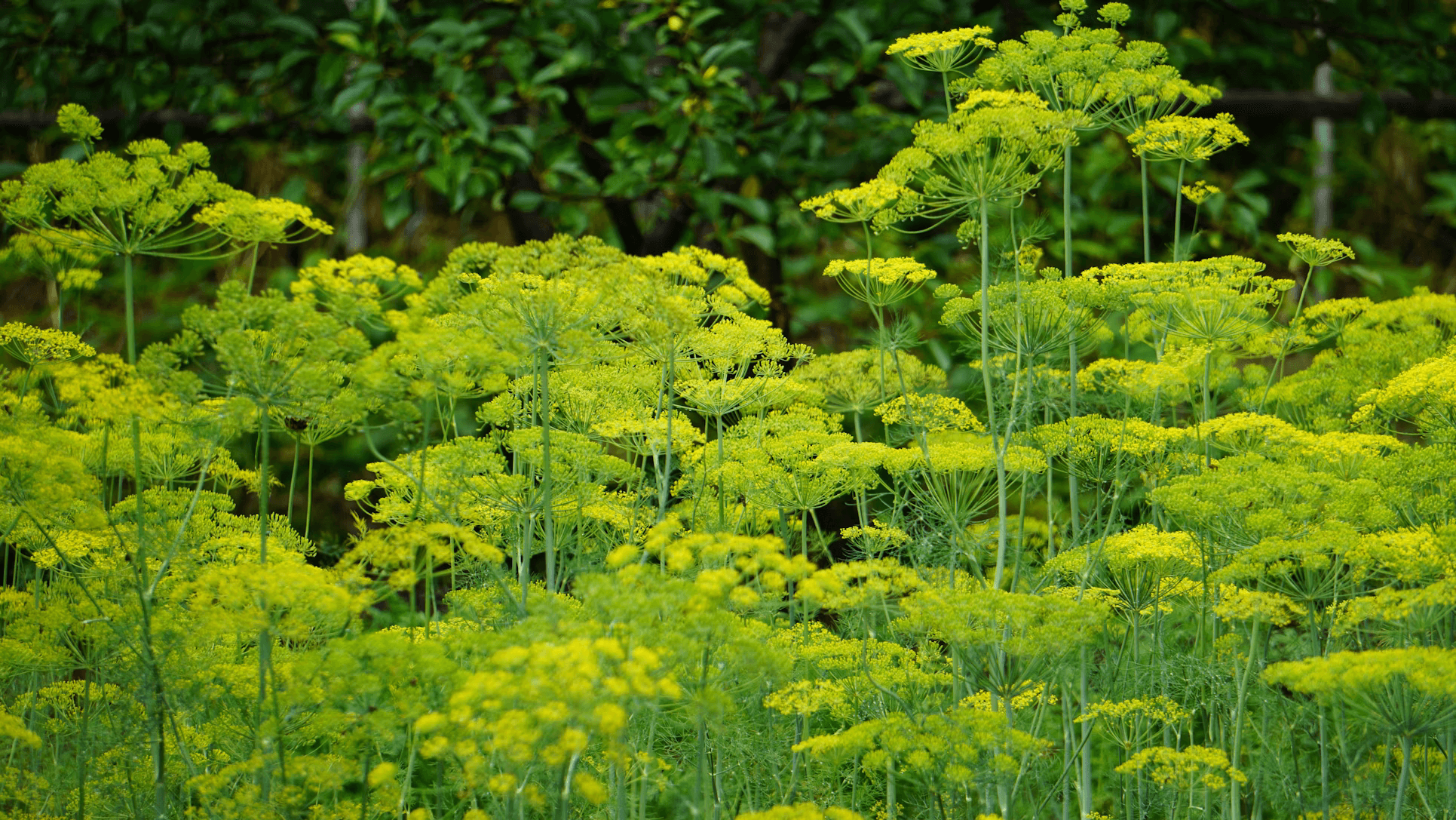
Dill Companion Plants – What to Grow Next to Dill

9 min read · 17 Jul 2026

Dill Companion Plants – What to Grow Next to Dill

Dill is an easy-to-grow plant that gets along well with many vegetables. This guide describes 15 plants that can be planted alongside it, a few to avoid, and mistakes that can quietly sabotage the entire process.

Plant Recommendations
Dill Companion Plants – What to Grow Next to Dill
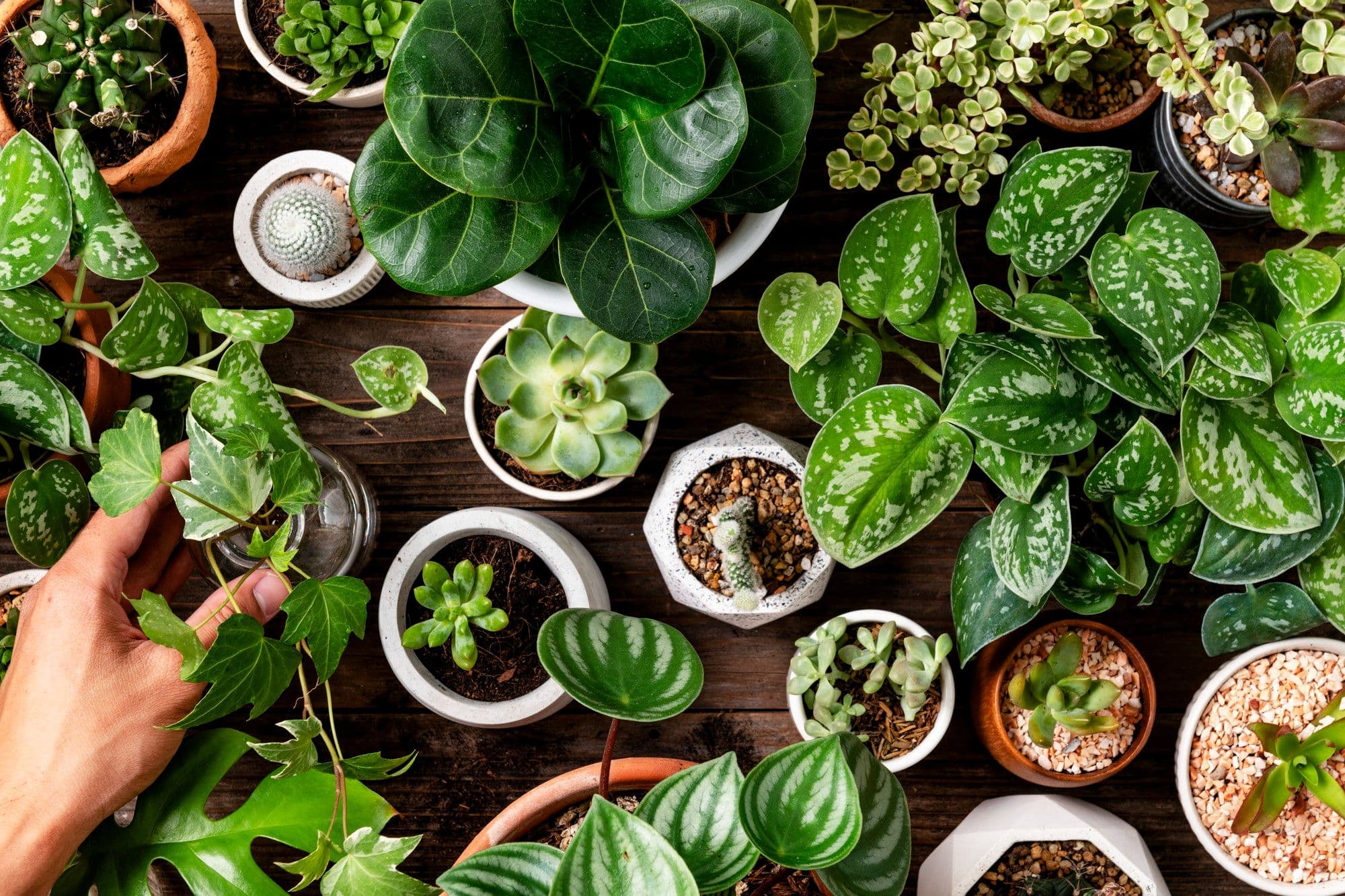
What Do Plants Need to Grow – 5 Things Every Greenery Can't Live Without

8 min read · 31 Jul 2026

What Do Plants Need to Grow – 5 Things Every Greenery Can't Live Without

To keep plants healthy and thriving, provide the right balance of light, humidity, nutrients, airflow, and quality soil. This guide covers the essentials of year-round plant care.

Beginner Guides
What Do Plants Need to Grow – 5 Things Every Greenery Can't Live Without
12 Best Plants That Repel Spiders For Your Home and Garden

8 min read · 24 Jul 2026

12 Best Plants That Repel Spiders For Your Home and Garden

Spiders constantly appear in places you don't want them. A few common plants can help repel them using scent alone. Here are 12 options suitable for both indoors and outdoors, plus care tips for each.

Plant Recommendations
12 Best Plants That Repel Spiders For Your Home and Garden