Cast Iron Plant (Aspidistra elatior) Watering Guide

This page explains when, how often, and how much to water Aspidistra elatior to maintain steady, appropriate moisture.

Water Requirements

Moderate Water

Aspidistra elatior Watering

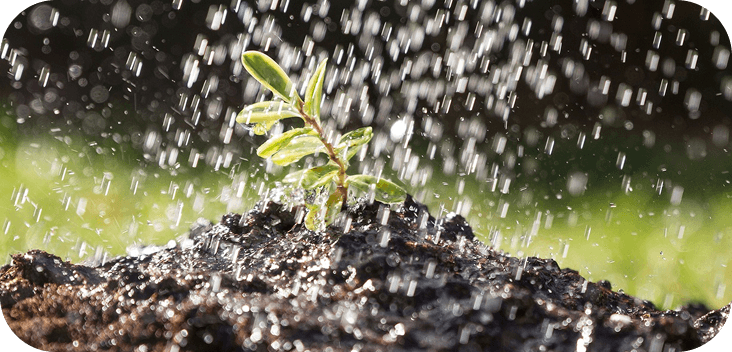
This slow-growing houseplant prefers steady, moderate moisture rather than soggy or bone-dry soil. In its native East Asian forest floors, Aspidistra elatior experiences sheltered, filtered moisture rather than intense, direct rainfall.

For indoor watering Cast Iron Plant care, let the top layer begin to dry slightly before watering again. Outdoor plants in the ground can handle a bit more natural rainfall, but still benefit from a balanced, not extreme, watering routine.

Water when the top 1–2 inches (3–5 cm) of soil feel dry, rather than on a fixed schedule. Indoors, Aspidistra elatior typically needs watering about every 10–21 days, with shorter intervals in brighter, warmer spots and longer intervals in low light or cooler rooms.

Water Cast Iron Plant when the top half of the potting mix feels dry, then moisten the root zone evenly.

  • Pour room‑temperature water slowly over the soil surface, circling the pot to reach roots on all sides.
  • Continue adding water until it runs from the drainage holes, ensuring the entire root ball is evenly saturated.
  • Let the pot drain fully, then empty saucers so the base of the container does not sit in standing water.

Incorrect moisture levels can stress Aspidistra elatior and lead to gradual, avoidable decline indoors.

Yellowing Lower Leaves:

Older leaves yellow while soil feels consistently wet, indicating prolonged excess moisture and reduced root oxygen.

Mushy Brown Rhizomes:

Soft, foul-smelling underground stems suggest chronic waterlogging and poor drainage leading to rot development.

Crisp Brown Leaf Tips:

Dry, papery tips usually reflect underwatering, low humidity, or fertilizer salts accumulating in the soil.

Drooping Yet Dry Foliage:

Leaves flop while soil feels dry throughout, signaling extended drought and depleted internal water reserves.

Slow Growth In Soggy Soil:

New leaves emerge rarely when the potting mix stays wet, pointing to stressed, suffocating roots.

Let the soil partially dry between thorough waterings, keeping roots moist but never sitting in soggy mix.

Unsuitable watering habits can slowly weaken Aspidistra elatior, as this Cast Iron Plant dislikes extremes in moisture and container conditions.

  • Watering by schedule: Following a fixed calendar instead of checking soil moisture can keep roots too wet or too dry; test the top layer first.
  • Heavy, compacted soil: Using dense garden soil holds water around the roots; choose a loose, chunky mix that drains yet retains some moisture.
  • Letting saucers stay full: Leaving runoff in the saucer bathes roots in stagnant water; empty it shortly after watering so excess can escape.

Aim for evenly moist but not saturated soil, adjusted by touch and season, supported by free drainage and suitable potting mix.

  • Spring: As indoor growth slowly resumes, let the top inch of soil dry slightly faster but still avoid soaking the root zone.
  • Summer: In warm, bright rooms, monitor pots more often and water when the upper soil dries, especially for container plants outdoors under shade.
  • Fall: As temperatures and light decline, extend the drying period between waterings and reduce volume to prevent lingering wet soil.
  • Winter: With slowed growth in cooler, darker conditions, keep watering light and infrequent, maintaining barely moist soil rather than full saturation.

Your Cast Iron Plant Care Companion

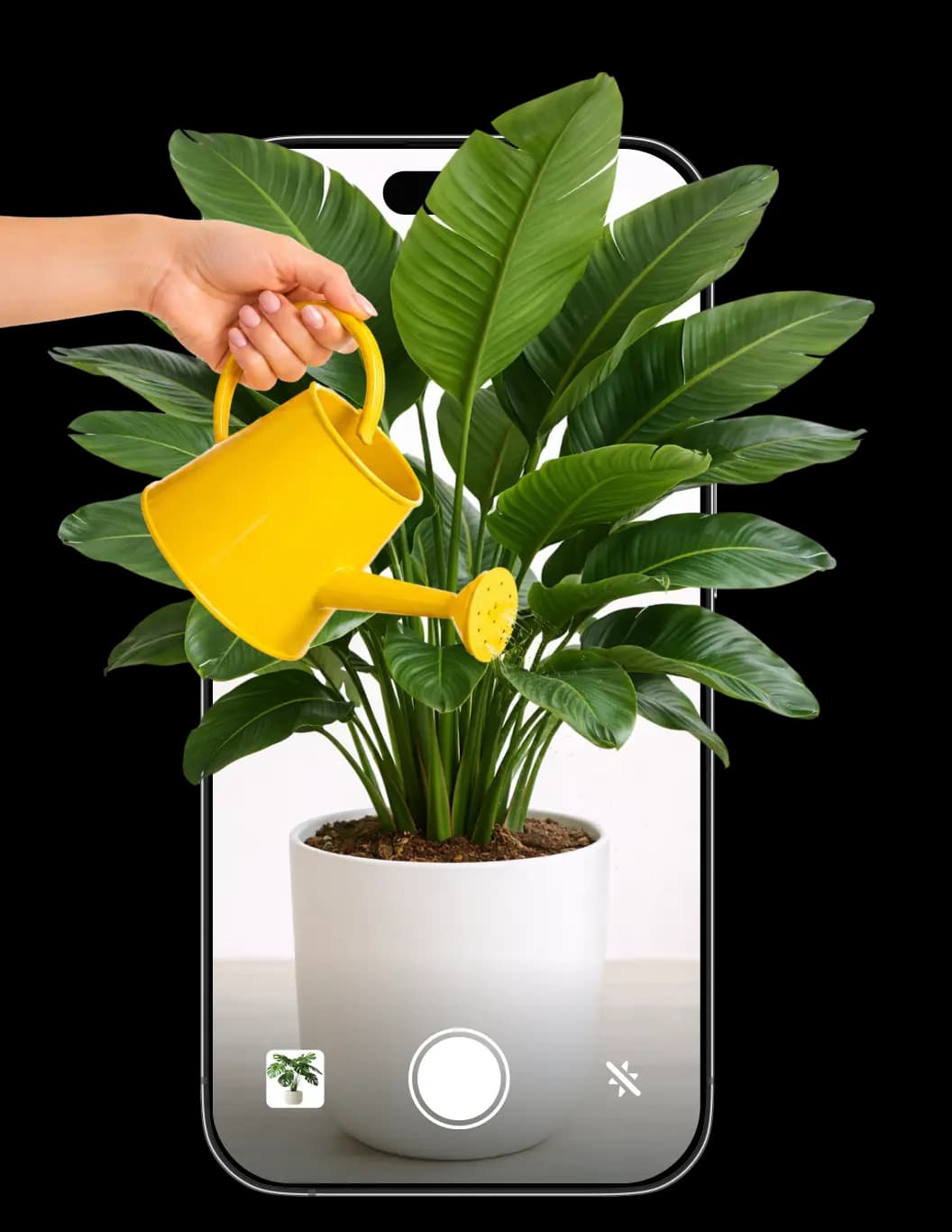
Use Botan for a clear watering guide and simple care steps for Aspidistra elatior, plus gentle photo-based checkups that can flag early leaf issues and other stress signs.

Botan plant care app — identify plants on mobile

Interesting Watering Facts

Shade-stream origin

Aspidistra elatior is native to shaded forest floors in Japan and Taiwan, often near slow-moving streams, where soils stay lightly moist but not waterlogged. This background explains its preference for evenly moist, well-drained soil rather than constantly saturated conditions in cultivation.


Tolerant of dry spells

Herbarium and cultivation records note Aspidistra elatior surviving long periods of neglect in low-light interiors, indicating strong tolerance of intermittent drought. Mature rhizomes and thick leaves reduce water loss, allowing the plant to cope with irregular watering better than many other common houseplants.

FAQ

Water thoroughly right after transplanting to settle soil around the roots, then let the top 1–2 inches (3–5 cm) dry before the next session. Avoid keeping the mix constantly wet, as roots are more vulnerable.

Everything About Cast Iron Plant

More Plant Watering Guides

Is Your Watering Routine Hurting Your Cast Iron Plant?

Botan reviews your watering routine so moisture stays in a healthy range.

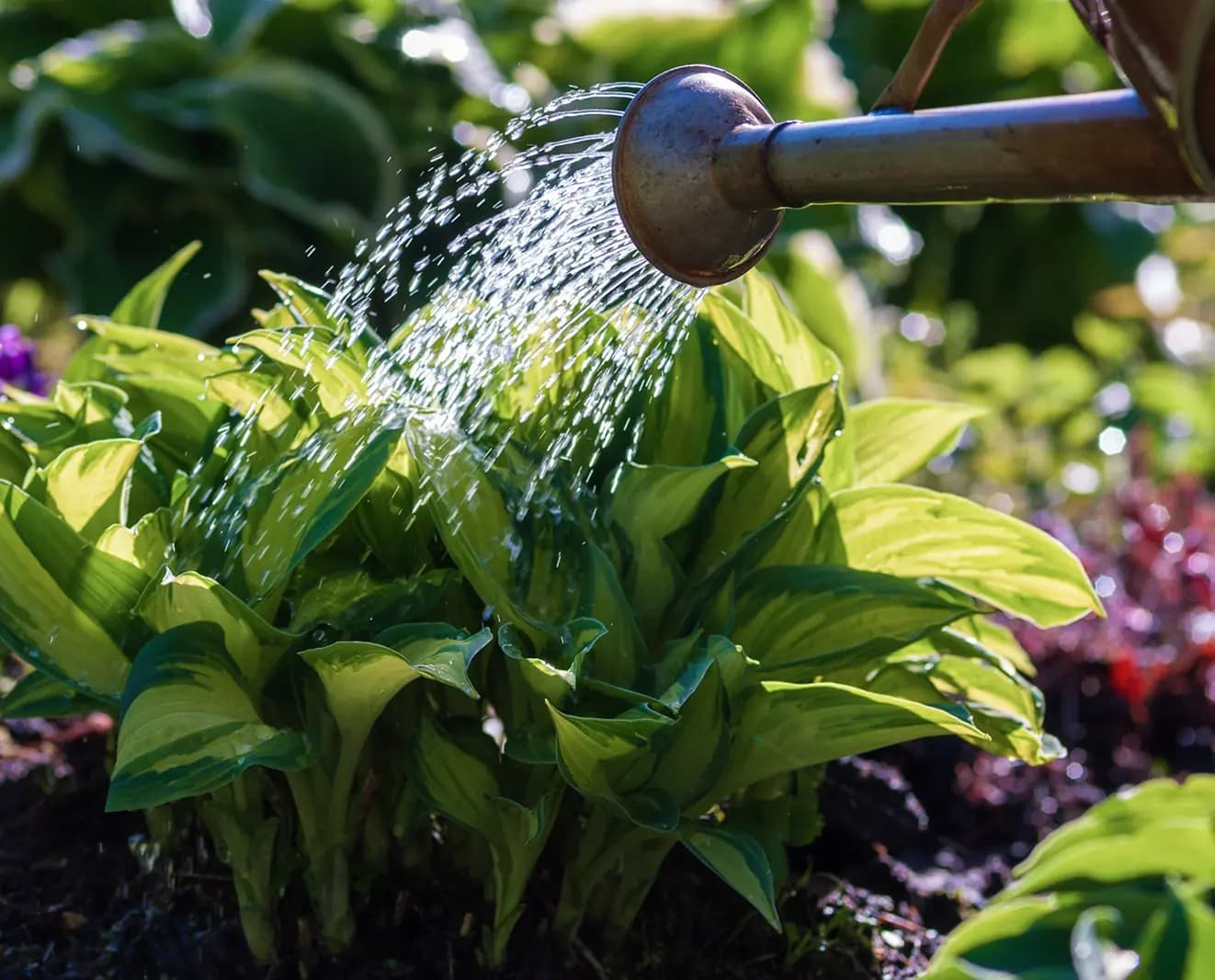
Watering a plant with a copper watering can
How Often to Water Fruit Trees

7 min read · 11 Aug 2026

How Often to Water Fruit Trees

Irrigation needs change as roots establish and weather shifts. This guide gives practical starting intervals, explains how soil and tree type change them, and shows how to recognize both excess moisture and drought stress.

Plant Care
How Often to Water Fruit Trees
Frozen vs Fresh Vegetable Nutrients: Which Option Is Healthier?

6 min read · 8 Sept 2026

Frozen vs Fresh Vegetable Nutrients: Which Option Is Healthier?

Frozen and fresh vegetables are nutritionally comparable: frozen produce often retains vitamins just as well as fresh and may sometimes contain more. Here’s how blanching and storage affect nutrients—and when to choose each.

Plant Recommendations
Frozen vs Fresh Vegetable Nutrients: Which Option Is Healthier?
12 Best Plants That Repel Spiders For Your Home and Garden

8 min read · 24 Jul 2026

12 Best Plants That Repel Spiders For Your Home and Garden

Spiders constantly appear in places you don't want them. A few common plants can help repel them using scent alone. Here are 12 options suitable for both indoors and outdoors, plus care tips for each.

Plant Recommendations
12 Best Plants That Repel Spiders For Your Home and Garden