Semi-succulent roots
This species forms fleshy, water-storing roots and tuber-like swellings, which let it tolerate short dry spells and irregular watering better than many other common houseplants.

This page explains when, how often, and how much to water Chlorophytum comosum in typical home conditions.

Water Requirements
Moderate Water
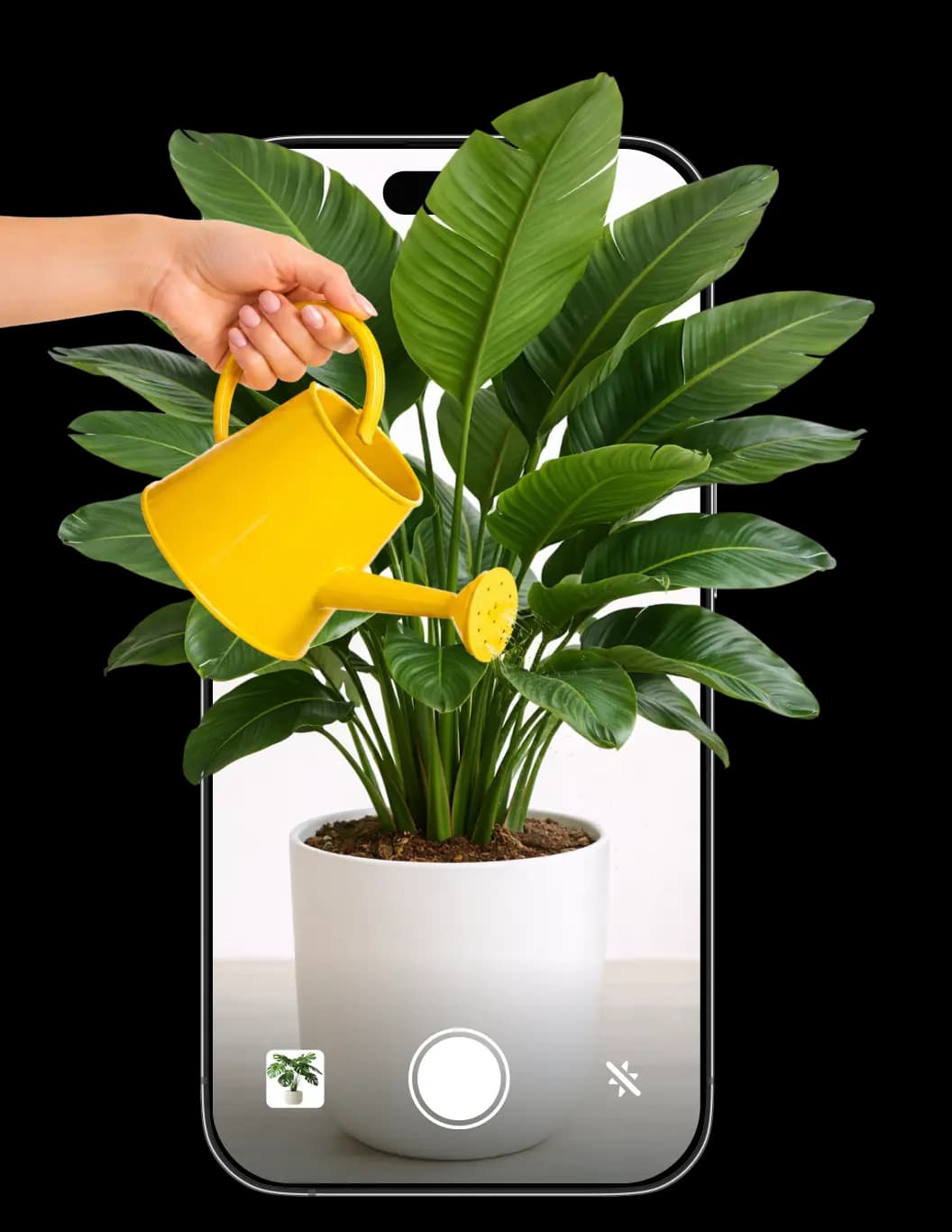
This section explains the overall approach to watering Spider Plant before moving into specific situations. In its native southern African habitat, Chlorophytum comosum experiences periods of moderate rainfall followed by drier spells, so soil should lightly dry between waterings.
Indoors, aim for slightly moist but not constantly wet soil, while outdoor plants usually tolerate a bit more drying. Understanding this balance provides a simple framework for how to water Spider Plant in most home conditions.
During active growth, this plant typically needs water about once a week, but timing should follow soil dryness, not the calendar. Wait until the top 1–2 inches (3–5 cm) feel dry before watering again. Warm, bright conditions may shorten this interval, while cooler, lower light extends it.
Water Spider Plant when the top 1-2 inches (3-5 cm) of soil feel dry, using slow, even moisture throughout the pot.
Incorrect moisture levels disrupt Chlorophytum comosum health, leading to progressive stress and declining growth.
Crisp, browning margins develop from irregular watering, mineral-heavy tap water, or prolonged dry soil.
Older leaves turn pale, then yellow, when roots sit in consistently waterlogged, poorly draining mix.
Soft, dark, foul-smelling roots indicate chronic overwatering, requiring pruning and fresh, free-draining substrate.
Drooping, limp foliage appears when potting mix dries completely between waterings, stressing the shallow roots.
White crust on soil surface signals fertilizer and mineral buildup, improved by periodic thorough flushing.
Keep soil lightly moist, letting the top layer dry briefly while preventing extended saturation or bone-dry conditions.
Unsuitable watering habits can stress Chlorophytum comosum, making Spider Plant foliage dull and limiting its natural ability to produce offsets.
Safer watering means checking the soil, using a freely draining mix, and letting excess moisture leave the pot between waterings.

Watering Check
Not sure if your plant needs water? Check its watering needs inside the app.
Use Botan to get a clear watering guide and simple care steps for Chlorophytum comosum, plus photo-based issue detection to spot problems early and adjust care calmly.
This species forms fleshy, water-storing roots and tuber-like swellings, which let it tolerate short dry spells and irregular watering better than many other common houseplants.
In its native South African habitats, it typically grows in well-drained, humus-rich soils that stay lightly moist but not waterlogged, shaping its preference for evenly damp, airy potting mixes indoors.
Studies on indoor air plants show this species handles tap water with moderate hardness relatively well, though long-term use can cause cosmetic leaf tip browning from mineral buildup rather than acute damage.
Yellowing after watering often points to overwatering, poor drainage, or sitting in a saucer of water. Roots stay soggy, reducing oxygen and causing stress. Let the top soil dry more and empty excess water.
Botan reviews your routine to show if watering matches your plant’s needs.
13 min read · 28 Jul 2026
Learn which of the 15 fastest-growing trees will suit your area. We’ll share detailed information on each: growth rate, mature spread, key tree demands, and main vulnerabilities. Read on and make the best choice possible.
7 min read · 24 Aug 2026
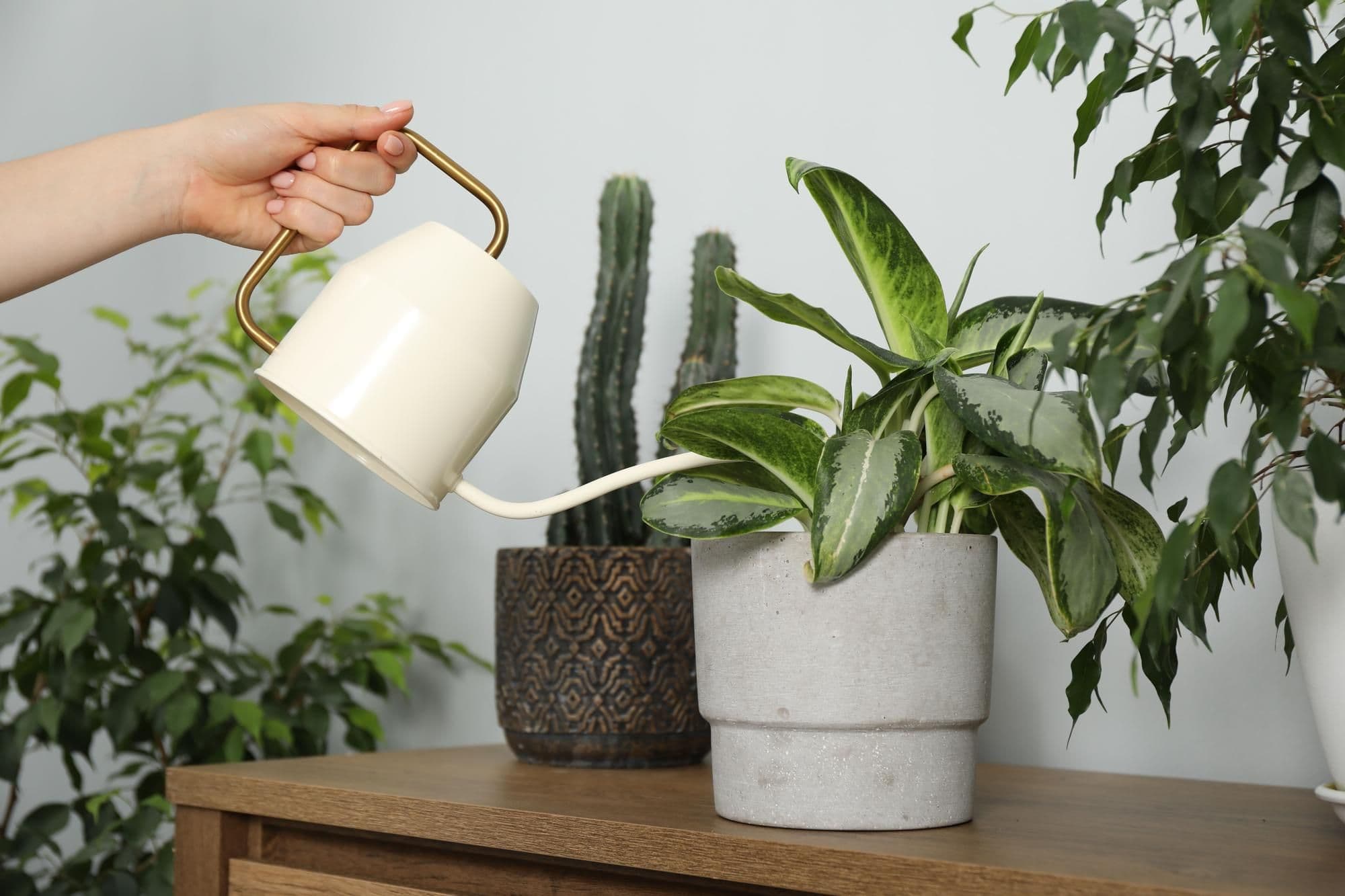
Learn how often to water indoor plants, key factors for proper watering, and how to adjust the care routine by plant type, season, pot size, light, and indoor conditions.
5 min read · 11 Sept 2026
Indoor plants can make a room feel fresher thanks to their air-purifying qualities. Here are 5 of the most suitable choices for your routine and living space.