


Best Soil for Spider Plant (Chlorophytum comosum)

For healthy roots, Chlorophytum comosum needs a loose, moisture-retentive mix that drains well and stays slightly acidic to near neutral.

Soil Texture

Loamy, Sandy, Organic-rich

Soil pH

Acidic (5.5–6.5), Slightly acidic (6.5–7.0)

Soil Drainage

Moist but well-drained

Chlorophytum comosum Soil Guide

Native to tropical and southern Africa, Chlorophytum comosum grows in warm, lightly shaded conditions where soil stays lightly moist but does not remain soggy. That background explains its preference for a loose, organic-rich substrate that holds some moisture while still draining freely.

Its fleshy, water-storing roots help the plant handle short dry spells, but they also need air around them. The best soil for Spider Plant has a loamy to slightly sandy feel, with enough structure to stay evenly moist and enough openness to prevent compaction.

A simple homemade blend gives Chlorophytum comosum the balance of airflow and moisture control it needs in containers.

100% total mix = 20 scoops
15%
pine bark fines or orchid bark3 scoops
20%
perlite or pumice4 scoops
25%
coco coir or peat moss5 scoops
40%
high-quality potting soil8 scoops

The finished mix should feel light, springy, and slightly chunky, with enough structure to stay evenly moist while excess water moves through easily.

A good target is 5.5–7.0 pH, with slightly acidic conditions often working best. In that range, key nutrients stay more available to roots instead of becoming harder for the plant to absorb.

Spider Plant is fairly adaptable within this mild acidic to near-neutral window, but extremes can reduce nutrient uptake over time. If the mix stays close to the recommended range, overall growth is usually steadier.

This species has fleshy roots, so soil-related stress often starts below the surface before top growth changes noticeably.

Compacted mix:

Dense media can limit airflow and keep the root zone too closed off, so loosen the medium by replacing part of it with a more open blend.

Staying wet too long:

If the container feels heavy for days, the root area may be holding excess moisture, so first check drainage and reduce water-retentive material next time.

Mix drying unevenly:

Very dry pockets can form in older media and make rewetting inconsistent, so moisten gradually and refresh the soil if it has become hard or shrunken.

Salt buildup:

White crust on the surface or pot edge can point to mineral residue, so flush the soil thoroughly once and remove the crusted top layer if present.

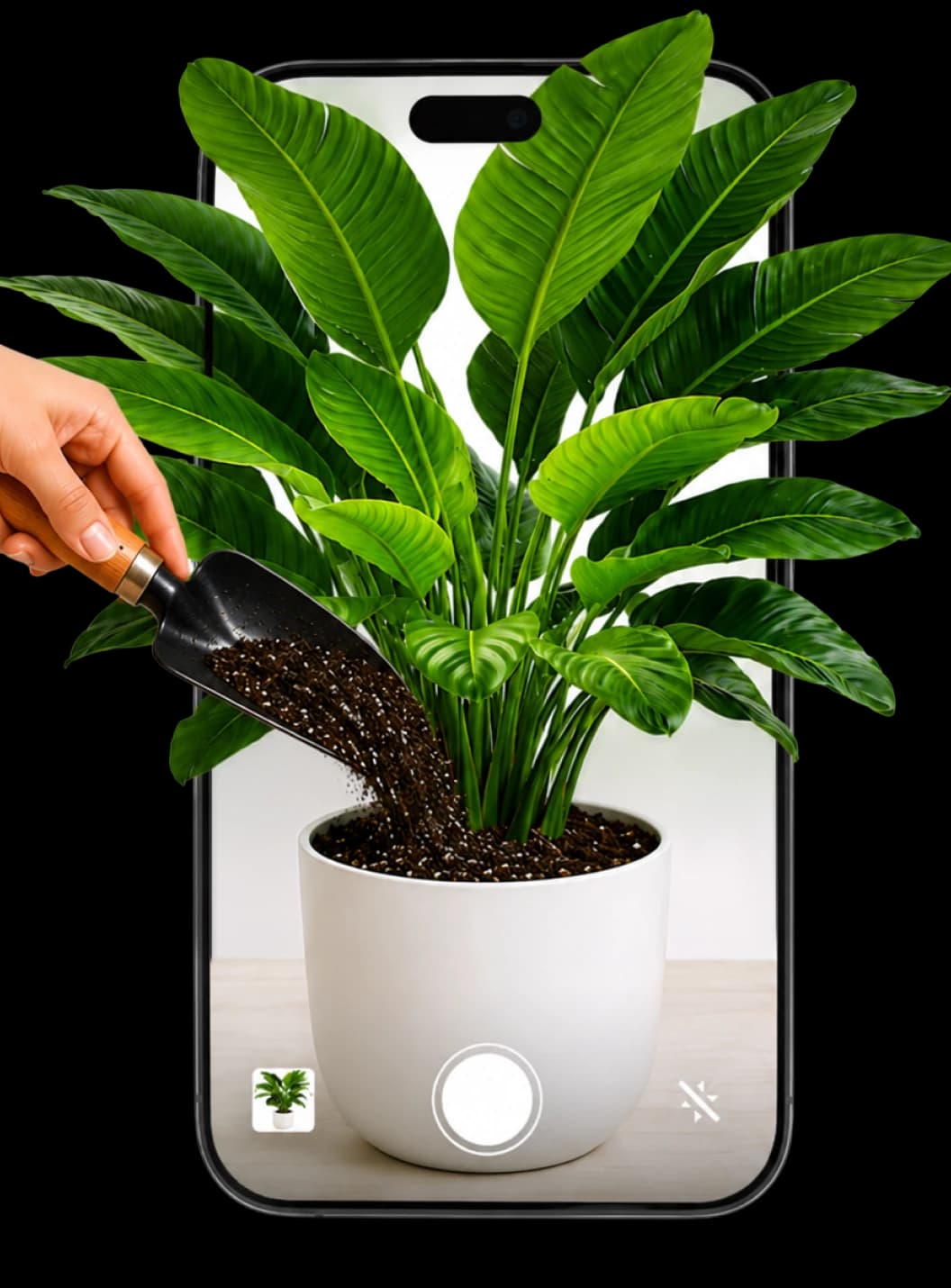
Scan. Match. Grow.

Botan helps identify the plant and match it with a soil profile that suits its root structure, drainage needs, and growing style.

FAQ

Yes. Drainage holes help excess water leave the container, which lowers the risk of stale, saturated root conditions and keeps the mix working as intended over time.

Everything About Spider Plant

More Plant Soil Guides

Wrong Soil? Check It.

If growth looks off, Botan can help assess whether soil conditions may be part of the problem from a quick photo check.

Botan app helping with soil and plant care
Best Bedroom Plants – Top 10 to Grow in Your Space

8 min read · 8 Jul 2026

Best Bedroom Plants – Top 10 to Grow in Your Space

Discover the top 10 houseplants that are suitable for growing in your bedroom. Compare their light and water needs, pet safety, and benefits. Find out where best to place greenery in your relaxation space and what species to avoid.

Plant Recommendations
Best Bedroom Plants – Top 10 to Grow in Your Space
How to Winterize Your Garden in 6 Steps

5 min read · 28 Sept 2026

How to Winterize Your Garden in 6 Steps

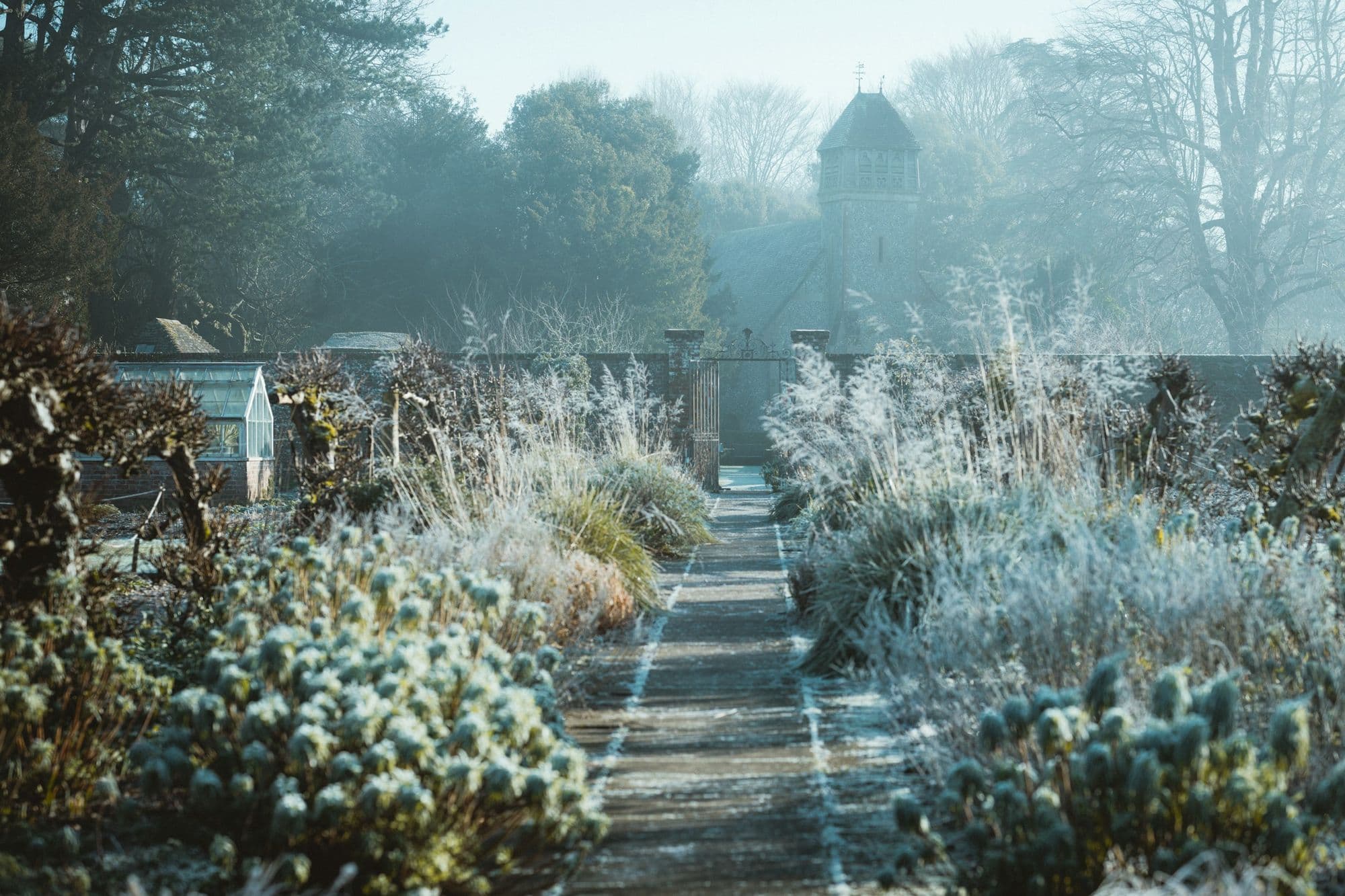
Learn how to prepare your garden for winter with a practical six-step checklist covering cleanup, tender plant care, watering, mulching, winter protection, and winterizing equipment and containers.

Plant Care
How to Winterize Your Garden in 6 Steps
What Plants Don't Like Epsom Salt?

11 min read · 29 Jul 2026

What Plants Don't Like Epsom Salt?

Learn which plants can be seriously damaged by Epsom salt and which will thrive on it. We’ll explain when and how to use it properly, provide tips for indoor & outdoor plants — read on and enjoy a healthy garden.

Plant Care
What Plants Don't Like Epsom Salt?