
Elephant Ear (Colocasia esculenta 'Black Magic') Watering Guide

This guide explains when, how often, and how much to water Colocasia esculenta 'Black Magic' for reliable care.

Water Requirements

Aquatic

Colocasia esculenta 'Black Magic' Watering

This dramatic foliage plant comes from naturally wet, warm regions, so it thrives in steady moisture rather than dryness. Colocasia esculenta 'Black Magic' prefers soil that stays evenly damp, echoing its boggy and riverside origins without becoming waterlogged.

For watering Elephant Ear in pots versus garden beds, containers dry quicker and often need closer attention. The basic approach is consistent, moderate watering that keeps the root zone lightly moist as conditions change through the year.

Water Colocasia esculenta 'Black Magic' when the top 1–2 inches (3–5 cm) of soil feel consistently moist but not soggy, never letting it fully dry. In bright light and warm summer conditions, this may mean watering more frequently, while cooler rooms or lower light usually extend the interval between waterings.

Water when the top 1-2 inches (3-5 cm) of soil feel evenly dry; keep moisture consistent without leaving Elephant Ear soggy.

  • Pour room-temperature water slowly over the soil surface, circling the pot to distribute moisture evenly around the roots.
  • Continue adding water until it flows from the drainage holes, fully soaking the root zone without flooding the container.
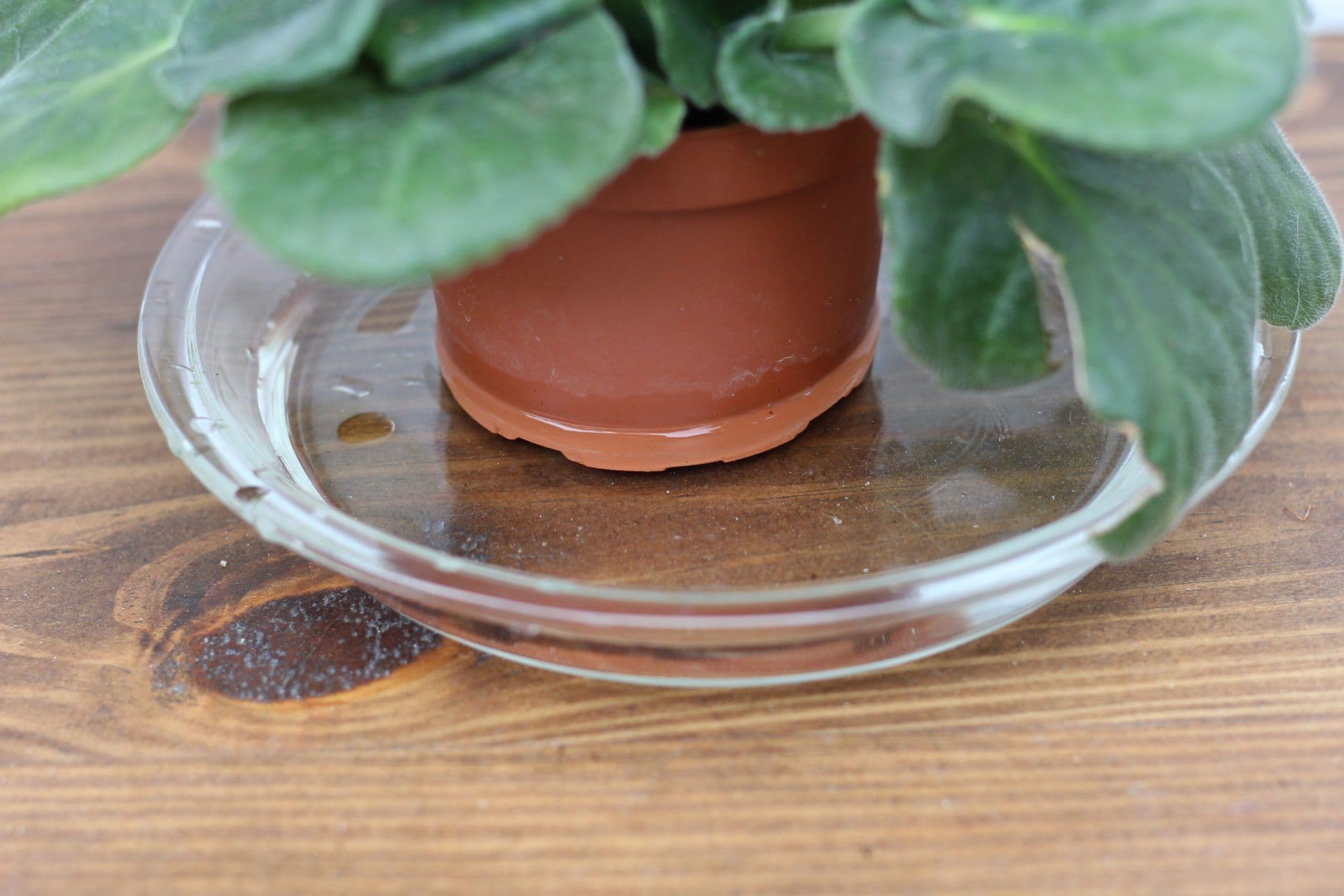
  • Let the pot drain completely, then empty any saucer or cachepot so the container does not sit in standing water.
  • Keep water directed to the soil only, avoiding the crown and leaves to reduce lingering moisture on plant surfaces.

Incorrect moisture levels may trigger several health problems for Colocasia esculenta 'Black Magic'.

Drooping Leaves:

Petiole and leaf blades sag noticeably when soil swings between soggy saturation and dry pockets.

Yellowing Lower Foliage:

Older leaves turn pale and limp when roots sit in poorly drained, constantly wet substrate.

Crisp Brown Edges:

Leaf margins dry, curl, and brown when soil surface frequently dries hard between deep waterings.

Soft Rotting Crowns:

Crown tissue feels mushy and foul-smelling after prolonged waterlogging in compacted or heavy soil.

Keep soil consistently moist yet aerated, avoiding both drought stress and long periods of saturation.

Unsuitable watering habits can weaken Colocasia esculenta 'Black Magic', limiting bold foliage and making the plant more vulnerable to stress.

  • Following a fixed schedule: Watering on a strict timetable ignores changing light, season, and soil moisture; instead, check the top soil and adjust each time.
  • Poorly draining soil: Using dense, heavy mixes keeps roots soggy; choose chunky, moisture‑retentive but draining soil with added bark or perlite.
  • Letting saucers stay full: Leaving pots in standing runoff suffocates roots; empty saucers shortly after watering so excess moisture can escape.

Prioritize deep but responsive watering in well‑draining soil, allowing brief surface drying while keeping the root zone consistently, not constantly, moist.

  • Spring: Resume consistent moisture as new leaves emerge, keeping soil evenly damp but not boggy while temperatures steadily rise above cool winter levels.
  • Summer: Increase watering frequency during hot spells so the root zone never dries out, especially for container plants and those not grown in standing water.
  • Fall: Gradually reduce watering as growth slows, letting the top layer dry slightly longer while avoiding complete soil dryness around the tubers.
  • Winter: In mild climates, keep soil just lightly moist; where plants go dormant or are stored, water very sparingly to prevent tuber rot.

Your Elephant Ear Care Companion

Use Botan for a tailored watering guide and practical care steps for Colocasia esculenta 'Black Magic', plus gentle photo-based checks to help notice leaf spots, wilting, and other early issues.

Botan plant care app — identify plants on mobile

Interesting Watering Facts

Aquatic-friendly foliage

'Black Magic' tolerates shallow standing water better than many other taro cultivars and is often used at pond edges, where its dark leaves emerge above saturated or submerged soil without developing the rot problems seen in less water-tolerant ornamentals.


Color deepens with moisture

Growers report that the foliage of 'Black Magic' tends to develop its darkest purple-black tones in consistently moist, rich soil, while plants kept on the dry side often show lighter, duller leaves and slower growth.

FAQ

Do not leave the pot standing in a full saucer. Constantly saturated roots lack oxygen and may rot. After watering, drain excess from the saucer once runoff stops to keep soil moist, not waterlogged.

More Plant Watering Guides

Is Your Watering Routine Hurting Your Elephant Ear?

Botan reviews your watering pattern to keep moisture levels on track.

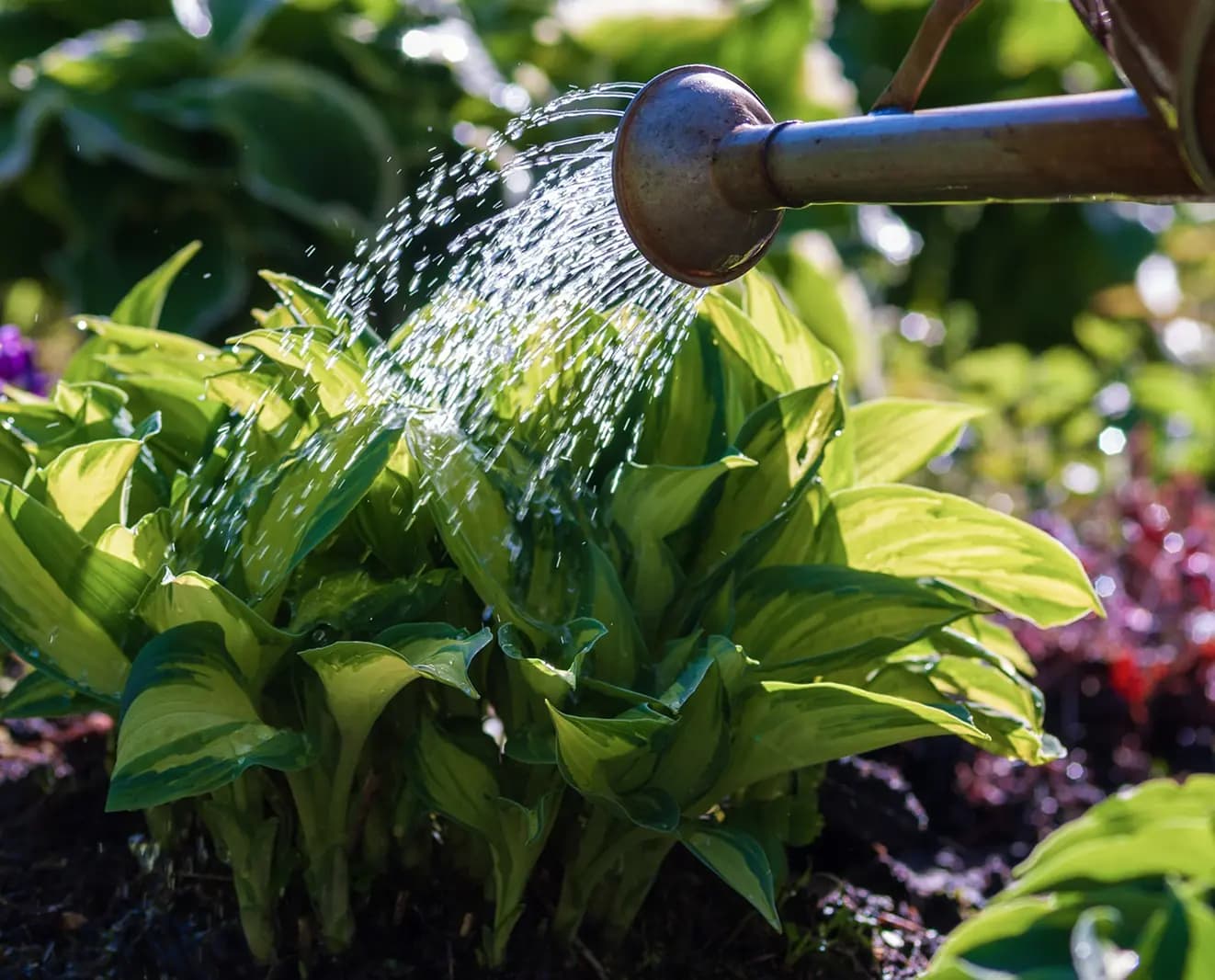
Watering a plant with a copper watering can
How to Winterize Your Garden in 6 Steps

5 min read · 28 Sept 2026

How to Winterize Your Garden in 6 Steps

Learn how to prepare your garden for winter with a practical six-step checklist covering cleanup, tender plant care, watering, mulching, winter protection, and winterizing equipment and containers.

Plant Care
How to Winterize Your Garden in 6 Steps
How to Mist Plants – Proper Technique and Common Mistakes

7 min read · 30 Jul 2026

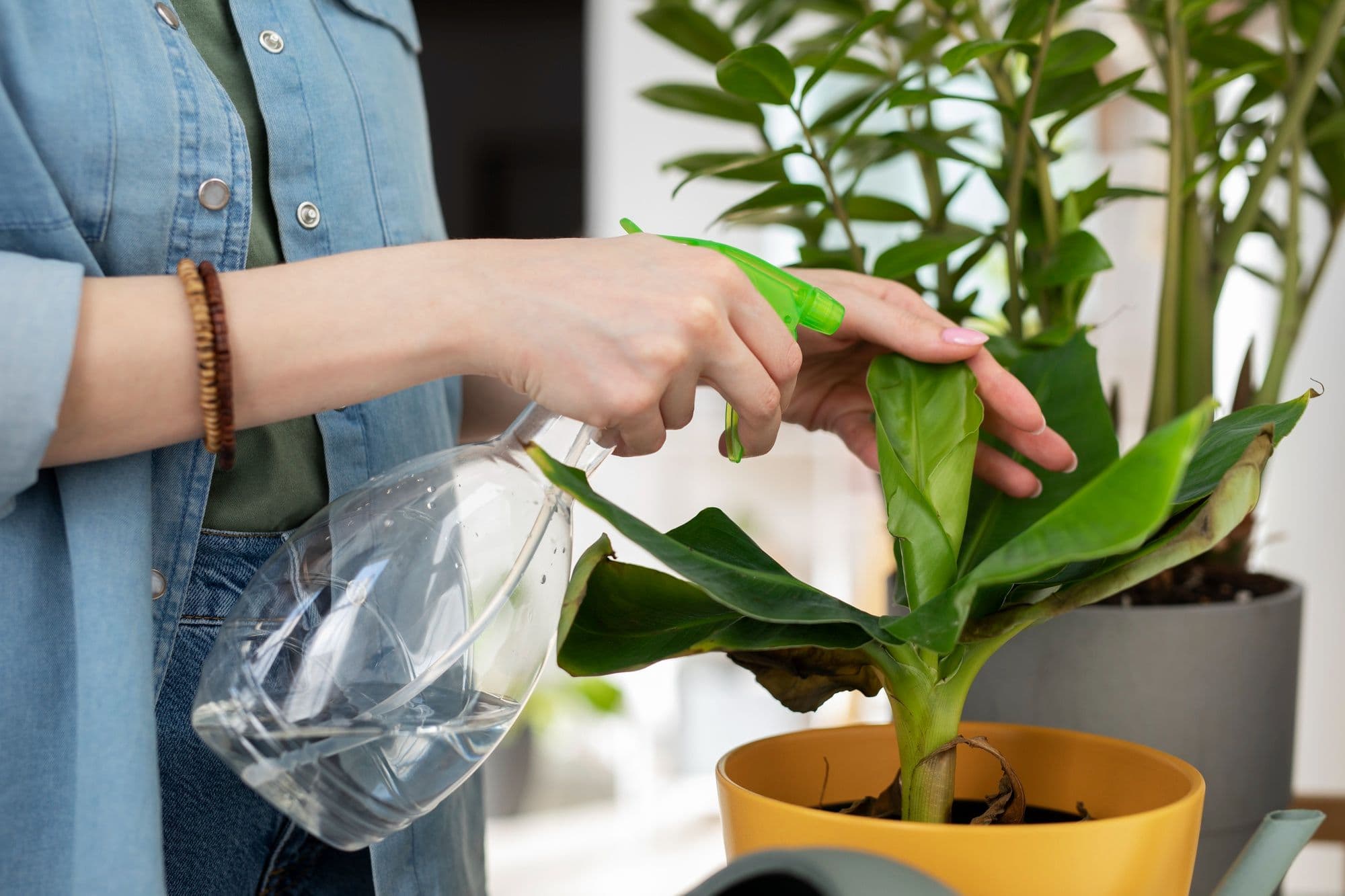
How to Mist Plants – Proper Technique and Common Mistakes

Find out when misting works well and when to avoid it. Here, you’ll find detailed information about compatible and incompatible species, tips on how often to mist plants and do it correctly, and some great alternatives for raising humidity.

Beginner Guides
How to Mist Plants – Proper Technique and Common Mistakes
How to Bottom Water Plants: Complete Guide

6 min read · 13 Jul 2026

How to Bottom Water Plants: Complete Guide

Bottom watering helps soil absorb moisture evenly and keeps foliage dry, reducing the risk of missed dry spots or root problems. Place the pot in a tray of water for a short time, then let it drain well.

Plant Care
How to Bottom Water Plants: Complete Guide