How to Kill Weeds With Vinegar in Driveway and Sidewalk Cracks
Vinegar works on weeds, but there are some nuances. Household vinegar (about 5%) sprayed onto the leaves of young annual weeds on a sunny day makes them wilt within a few hours.

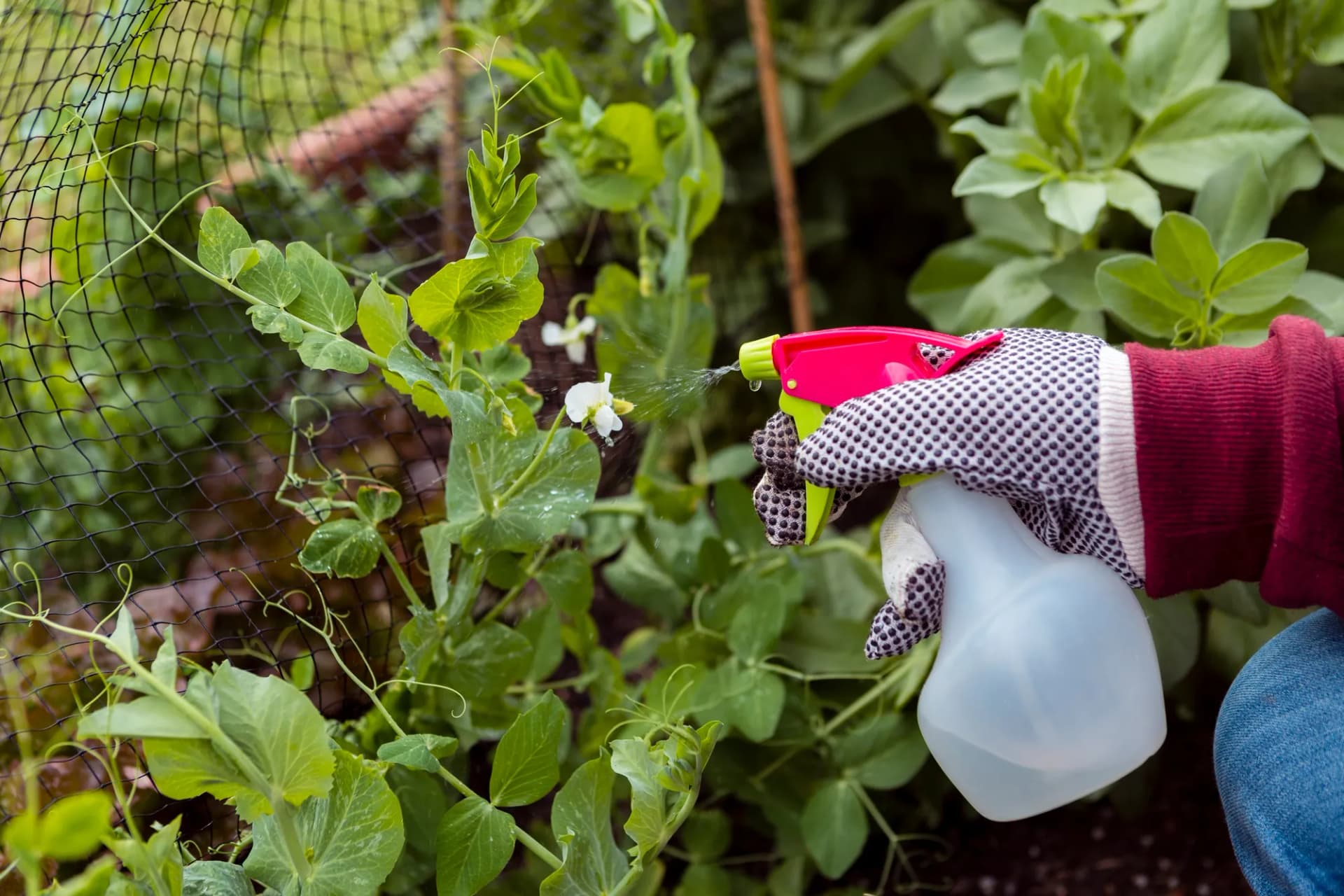
After 1-2 days, you can remove the dead leftovers. Perennial weeds with deep roots are harder: the top growth dies, but new shoots may eventually emerge from the roots.
This guide explains how to kill weeds with vinegar between sidewalk and driveway cracks: how the method works, how long it takes, which vinegar strength to use, how to apply it step by step, and its drawbacks.
Can Vinegar Kill Weeds? How It Works
It can, but there are some nuances. Vinegar is a contact herbicide. It acts only on the areas where it is directly applied. Unlike systemic herbicides, the plant does not transport it to its roots.
Look at the details in the table below:
Situation | How vinegar performs | Why |
Young annual weeds | Most effective | Leaves and stems are tender, and the whole plant is easily reached by the spray |
Perennial weeds with deep roots | Effectiveness significantly reduced | Above-ground parts die, but new shoots may emerge from the roots |
Weeds in sidewalk and driveway cracks | Best place to use it | No desirable plants nearby to damage |
Weeds near lawns and flower beds | Risky | Vinegar is non-selective and damages any leaves it touches |
Stubborn weeds | Horticultural vinegar (about 20%) may help | Stronger, but no 100% result after the first treatment |

Annual vs. Perennial Weeds
This solution is most effective against young annuals, such as purslane or annual bluegrass, which often sprout in paving joints. However, in the case of perennial types with deep root systems, its effectiveness can be reduced. Although the above-ground parts will die, new shoots may emerge from the roots.
Knowing which type of weed is growing in the cracks helps set realistic expectations. If the plant is unfamiliar, a weed identifier can show whether it is an annual or a deep-rooted perennial.

Fix Plant Problems
Leaves turning yellow or falling off? Find the cause and solutions
How Long Does It Take for Vinegar to Kill Weeds?
You may notice the first signs within a few hours. The leaves will begin to wilt and turn brown. After 1–2 days, the damage becomes more pronounced, and you can remove the weeds.
Acetic acid damages the cell membranes on the surfaces of the plant with which it has come into contact, causing rapid dehydration and tissue death. Because the effect is limited to the treated surfaces, full leaf coverage matters more than anything else.
Is It an Annual or Perennial Weed?
Snap a photo and know before you spray
Choosing a Vinegar Solution to Kill Weeds
The right vinegar solution to kill weeds depends on how tough they are. Two strengths are commonly used:
- Household vinegar (about 5%). You can use this type on young weeds. Apply it undiluted from the bottle. No extra ingredients are needed, so the simplest vinegar mix for weeds is just plain 5% in a spray bottle.
- Horticultural vinegar (about 20%). For some more stubborn plants, there are horticultural products with a concentration of about 20% acetic acid. They are much more aggressive and require strict adherence to instructions and safety precautions.
How to Use Vinegar to Kill Weeds: Step by Step
The process below shows how to use vinegar to kill weeds in sidewalk and driveway cracks with regular 5% household vinegar.
- Pick the right weather. Choose a sunny day. Do not apply the treatment in rainy weather.
- Fill a spray bottle. Take undiluted 5% household vinegar and pour it into a spray bottle.
- Spray the leaves thoroughly. Do it from close range to completely cover their surfaces. Avoid getting large amounts of vinegar directly onto the soil, and be especially careful not to spray other plants you want to keep.
- Wait 1-2 days. Give the vinegar time to take effect, then remove the dead weeds.
If needed, you can repeat the treatment, but don’t do this procedure too often to save nearby species.

Drawbacks of Vinegar Spray for Weeds
Remember that this method has a few limitations.
First, it is non-selective. In other words, if you spray it on a cultivated plant, it will destroy its leaves just as it would the leaves of a weed. So use caution around lawns, flowers, and other garden plants. In this regard, it is really best to use vinegar only on sidewalks and in driveway cracks.
Second, concentrated vinegar can burn skin. When using this solution, wear protective gear on your hands and face to avoid chemical burns.
Other Natural Ways to Control Weeds in a Driveway
Vinegar is not the only natural option for paved areas. Here is how the main alternatives compare:
- Boiling water. You can pour boiling water on weeds. This is a fairly harmless option. Although it is not the most effective method, it works well on annuals.
- Salt. It can also kill weeds, but this method is not recommended. It can accumulate in the soil, which may make the area unsuitable for planting other plants after treatment. Rainwater can also carry it over a larger area and damage neighboring plants.
- Mechanical removal. This is the safest option. Simply pull the weeds out by hand or cut them with a special knife.
For most paved areas, knowing how to kill weeds with vinegar and combining it with occasional hand-pulling keeps cracks clean without harsh chemicals.
FAQ
What kills weeds is the acetic acid. Distilled white and apple cider vinegar sold for cooking usually contain about 5% acetic acid, so they work similarly. The white option is typically cheaper and leaves no sticky residue on paving.
Found this helpful?
Add Botan as a preferred source on Google.
Anastasiia Vasylchyshyna
Botanist
5+ of botanical experience
A biologist by training and a botanist by calling, Anastasiia turns scientific knowledge into practical advice anyone can use to keep their plants healthy and thriving.
Related Articles
6 min read · 19 Nov 2026
Best Time to Plant Grass Seed: When to Seed Your Lawn
The best time to plant grass seed depends on your climate and grass type. Cool-season lawns establish best in late summer or early fall, while warm-season grasses perform best once soil warms in late spring or early summer.
7 min read · 18 Nov 2026
How to Water Succulents: When, How Often, and How Much
Yellowing, mushy, or shriveled leaves can all point to a watering problem, yet each can have a different cause. This guide explains how to water succulents, when to wait, and how soil, pots, and seasons change the routine.

6 min read · 23 Oct 2026
When to Harvest Carrots: Timing, Signs, and How to Pick Them
Carrots are usually ready 60-80 days after sowing them in the soil, depending on the variety. Learn how to recognize maturity signs, choose the right harvest season, pull carrots without damaging them, and store roots after picking.
Discover Other Weeds

Identify the plant and problem. Help your plant recover
Identify plant problems early, understand what's wrong, and get clear care guidance. Botan helps you turn guesswork into confident plant care