Best Time to Plant Grass Seed: When to Seed Your Lawn
The best time to plant grass seed depends on your climate and grass type. Cool-season lawns establish best in late summer or early fall, while warm-season grasses perform best once soil warms in late spring or early summer.

On this page
- Why Grass Type Matters When Seeding Your Lawn
- Cool-Season Grasses
- Warm-Season Grasses
- Transition Zone
- Best Month to Plant Grass Seed by Region
- Can You Plant Grass Seed in the Fall?
- Is Spring a Good Time to Plant Grass Seed?
- When Is the Worst Time to Seed Your Lawn?
- How to Tell If Now Is a Good Time to Plant Grass Seed
- When Is the Best Time to Reseed Your Lawn?
- What to Do After You Put Grass Seed Down
A lawn started from seed takes about 4-6 weeks to establish, according to the University of Maryland Extension. That makes timing important. Before choosing a date, check what is growing in your yard and how warm the soil is. If you're unsure of the turf type, Botan's grass identifier can confirm it.
The ranges below show how grass type affects both the seeding window and the soil temperature needed for germination.
Grass Type | Best Seeding Window | Target Soil Temperature | Common Grasses | Where It Grows |
Cool-season | Late summer to early fall | About 50-65°F | Kentucky bluegrass, tall fescue | Northern U.S.; transition zone |
Warm-season | Late spring to early summer | Around 65°F or higher, depending on species | Bermuda grass, zoysia | Southern U.S.; transition zone |

Why Grass Type Matters When Seeding Your Lawn
The best time to plant grass depends on the turf type and its natural growth cycle. Different turf types become most active at different points in the year.
That growth pattern should guide the timing because young plants need several weeks to establish roots. Compare turf species in the list of grasses before choosing a seeding date.
Cool-Season Grasses
Cool-season grasses include Kentucky bluegrass, tall fescue, perennial ryegrass, and fine fescues. They grow across northern states and parts of the transition zone, where spring and fall provide milder conditions.
For grass seed germination, the optimum soil temperature is about 50-70°F (10-21°C), measured at roughly 1 inch deep.
Late summer into early fall is generally the best seeding window because the soil remains warm enough for germination while cooler air limits heat stress. Spring is also possible, but new turf then has less time to establish before summer and must compete with emerging weeds.
Warm-Season Grasses
Warm-season grasses include Bermuda grass, zoysia, centipede grass, and bahiagrass. They are adapted to the South and other areas with long, hot summers. Late spring or early summer is usually the best seeding window, after the soil has warmed and cold snaps are unlikely.
Transition Zone
The transition zone stretches across the middle of the United States, where hot summers challenge some cool-season turf and cold winters limit certain warm-season types. Tall fescue is common because it tolerates heat better than many cool-season options; zoysia and bermudagrass also grow in suitable sites.
Choose the timing by species. Cool-season lawns establish best in late summer or early fall, while warm-season species need the warmer soil of late spring.

Your Personalized Care Plan
Get personalized plant care recommendations in the app
Best Month to Plant Grass Seed by Region
Your region and turf type determine the best month to plant grass seed. Treat these windows as regional guides, then check local first and last frost dates and the 10-14-day forecast before sowing. An unusually warm or cold year can shift the practical window by several weeks.
Soil temperature is another useful check when deciding when to seed your lawn in your region.
Region | Common Lawn Grasses | Best Months to Seed | Second-Best Window |
Northeast & Upper Midwest | Kentucky bluegrass, tall fescue, perennial ryegrass | August-September | April-May |
Transition Zone | Tall fescue; zoysia; Bermuda grass | August-September (cool-season); May-June (warm-season) | March-April (cool-season) |
Southeast & South Central | Bermuda grass, zoysia, centipede grass, bahiagrass | May-June | Early July in warmer areas |
Pacific Northwest & Intermountain West | Kentucky bluegrass, perennial ryegrass, fine fescues | August-October | April-May |
When planting grass seed in summer, check soil moisture and the forecast closely, especially during hot, dry periods.

Not Sure Which Grass You Have?
Check your turf type before choosing a lawn mix
Can You Plant Grass Seed in the Fall?
Yes. For cool-season lawns, fall is often the best time of year to plant grass seed. Sow about four to six weeks before the first killing frost so young plants have time to germinate and develop several mature leaves. If you miss that window, wait, since new growth that emerges just before a freeze is more vulnerable to damage.
In colder regions, dormant seeding is another option once soil temperatures stay below 40°F, keeping seed dormant until conditions warm in spring.
Is Spring a Good Time to Plant Grass Seed?
Spring planting works differently for cool-season and warm-season lawns. Cool-season lawns can be sown once soil is workable and temperatures support germination, though fall is often more reliable because young plants have longer to establish before summer heat. Spring-sown turf also faces stronger weed competition and often needs more frequent watering as temperatures rise.
For warm-season turf, late spring is often the right window because warmer soil supports germination and active growth. To decide when to plant grass seed, start with the grass type. Then use soil temperature and the forecast to fine-tune the date.

When Is the Worst Time to Seed Your Lawn?
Certain conditions give new turf a poor start. Avoid these periods when possible:
- Midsummer heat: cool-season seedlings lose moisture quickly and may struggle to develop roots.
- Late fall: warm-season turf may germinate too slowly or enter dormancy before establishing.
- Frozen or waterlogged soil: frozen ground prevents normal germination, while saturated soil limits oxygen around developing roots.
- Right after a pre-emergent herbicide application: many products can prevent turfgrass germination.
If weeds are part of the reason you're reseeding, check how to get rid of crabgrass before sowing, since some herbicides require a waiting period before new seed can be planted.
How to Tell If Now Is a Good Time to Plant Grass Seed
Before sowing, check more than the calendar. The best time to put grass seed down is when soil temperature and upcoming weather suit your grass.
- Check soil temperature: make sure it suits your turf type.
- Look at the 10-14-day forecast: avoid heat waves, heavy rain, or cold snaps.
- Count weeks to the first frost: young plants need time to establish.
- Check recent herbicide use: follow the label's required wait before sowing.
- Make sure you can water daily: the surface needs steady moisture until germination.
The forecast can shift when the best time is to seed your lawn, so check conditions again before sowing instead of relying on a fixed date.
When Is the Best Time to Reseed Your Lawn?
Look for active growth when choosing the best time to reseed your lawn; new seedlings also need enough time to establish before stressful weather or dormancy. For cool-season lawns, early fall is usually best, with early spring as a second option. Warm-season lawns are better reseeded in late spring or early summer, once the soil has warmed.
Before overseeding, mow slightly shorter and remove debris or excess thatch. Loosen bare areas so the mix makes good contact with the soil. Address drainage or shade problems first, and control weeds before sowing. Keep the surface moist until germination.
What to Do After You Put Grass Seed Down
After sowing, use light, frequent watering to keep the top layer of soil evenly moist without saturating it. As new growth establishes, reduce watering frequency and allow more time between waterings.
Keep foot traffic and pets off the area while roots are shallow. Once the turf is about one-third taller than your target height and springs back after light foot pressure, you can start mowing. Use a sharp blade and avoid removing more than one-third of the leaf at a time.
FAQ
Depending on the species, germination may begin in about 5 days or take 2-3 weeks. Perennial ryegrass is among the fastest, while Kentucky bluegrass takes longer. Soil temperature and moisture also affect timing; mix quality matters too. Check which species it contains so you know what germination window to expect.
Found this helpful?
Add Botan as a preferred source on Google.
Anastasiya Vasilyeva
Plant Care Content Writer
3+ years of experience in creating text content and botanical research
Anastasiya is a content writer with over three years of experience. At Botan App, she writes about plant identification, growing conditions, and everyday care, making plant-related topics easier for readers to understand.
Related Articles
7 min read · 18 Nov 2026
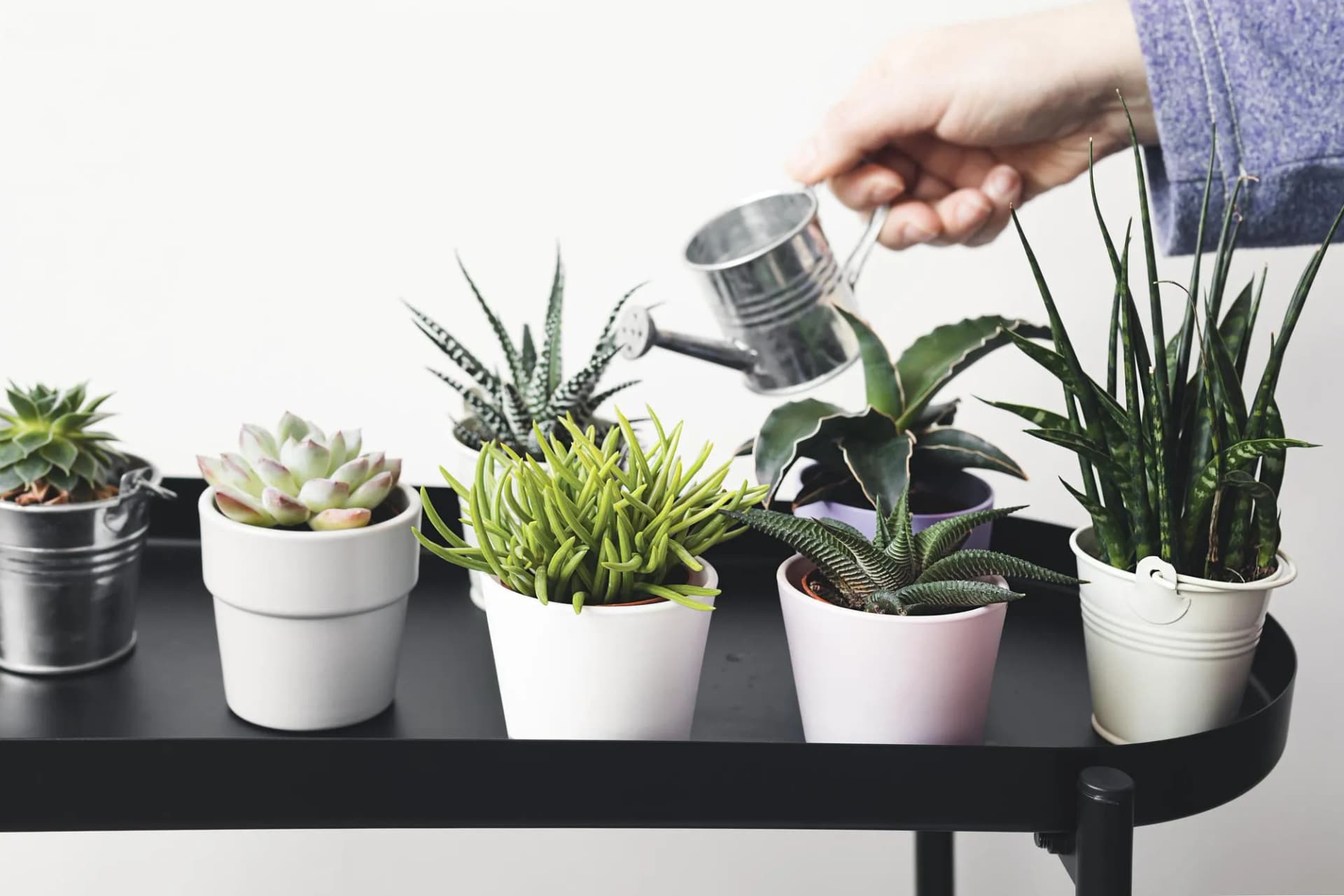
How to Water Succulents: When, How Often, and How Much
Yellowing, mushy, or shriveled leaves can all point to a watering problem, yet each can have a different cause. This guide explains how to water succulents, when to wait, and how soil, pots, and seasons change the routine.
6 min read · 23 Oct 2026
When to Harvest Carrots: Timing, Signs, and How to Pick Them
Carrots are usually ready 60-80 days after sowing them in the soil, depending on the variety. Learn how to recognize maturity signs, choose the right harvest season, pull carrots without damaging them, and store roots after picking.

5 min read · 28 Sept 2026
How to Winterize Your Garden in 6 Steps
Learn how to prepare your garden for winter with a practical six-step checklist covering cleanup, tender plant care, watering, mulching, winter protection, and winterizing equipment and containers.
More Grasses from Botan

Identify the plant and problem. Help your plant recover
Identify plant problems early, understand what's wrong, and get clear care guidance. Botan helps you turn guesswork into confident plant care