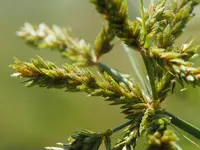
citronella grass Care (Cymbopogon nardus)

Also known as: Giant Turpentine Grass, Tambuti, Syrian Nard
citronella grass

About citronella grass

Citronella grass, Cymbopogon nardus, is a clump-forming tropical grass valued for its strong lemony fragrance. It is commonly grown for its aromatic leaves rather than for flowers.

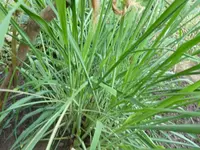
The plant forms tall, arching blades with a fountain-like habit, giving containers or garden beds a dense, grassy look. In suitable climates it can be grown as a perennial, but in cooler areas it is often treated as an annual or overwintered indoors.

It originates from tropical regions of South and Southeast Asia, so it prefers warmth, consistent moisture, and well-draining soil. With enough sun and protection from cold, it is relatively straightforward to care for citronella grass.

Main Plant Requirements

Care Difficulty

Moderate Care

Light Preference

Full Sun

Water Requirements

Regular Water

Temperature Preference

Tropical / Frost Sensitive

Hardiness Zone

10–12

Soil Texture

Sandy, Loamy, Organic-rich

Soil pH

Acidic (5.5–6.5), Slightly acidic (6.5–7.0)

Soil Drainage

Well-drained

Fertilization

Light (every 4–6 weeks)

Get Personalized Care Plan

Scan your plant to receive care tips personalized for your specific plant

Available on iOS and Android

How to Care for the citronella grass

This species prefers bright, direct sun for strong, aromatic growth.

  • Provide 6–8 hours of direct sunlight daily; morning sun with some light afternoon shade works well in hot summer climates.
  • Plants tolerate light partial shade (3–4 hours sun), but clumps become looser, taller, and less fragrant with reduced light.
  • In very intense summer sun, monitor for leaf scorch or bleaching, and consider filtered light during the hottest midday hours, especially in exposed sites.

Cymbopogon nardus prefers evenly moist but never waterlogged soil.

  • Water when the top 3–5 cm of soil feels dry, using a deep soak rather than frequent light splashes to encourage deeper roots.
  • Use well-drained, sandy or loamy soil; prolonged puddling, sour smell, or limp, yellowing leaves indicate overwatering and poor drainage.
  • In hot, windy summer weather, expect more frequent watering; in cooler seasons reduce frequency, watching for curling, browning tips as a sign of underwatering.

This warm-season grass grows best in consistently mild to hot conditions.

  • Optimal growth occurs around 70–90°F (21–32°C), which suits most late spring to early autumn conditions in warm and temperate regions.
  • The plant is very frost-sensitive and typically damaged below 40°F (4–5°C), with serious injury or death near 32°F (0°C).
  • Citronella grass tolerates short heat spikes up to about 100°F (38°C) if soil moisture is maintained, but prolonged extreme heat with dry soil leads to leaf browning and stress.

This grass handles a wide humidity range but benefits from moderately moist air.

  • Target 40–60% humidity for steady growth, similar to typical indoor and outdoor summer conditions.
  • It tolerates short dry spells, but very dry heated air can brown leaf tips and edges on citronella grass.
  • If air is under 30%, group pots together, place trays with pebbles and water nearby, or move plants away from hot air vents.

This species prefers loose, fast-draining, moderately fertile soil.

  • Use a mix of 50–60% loam or all-purpose potting mix with 20–30% coarse sand and 10–20% perlite to improve drainage and aeration.
  • Aim for slightly acidic to neutral pH, around 6.0–7.0, which supports nutrient uptake for Cymbopogon nardus.
  • In heavy clay ground, work in coarse sand and compost to create a crumbly, non-sticky structure that roots can easily penetrate.
  • Avoid compacted, waterlogged, or peat-only mixes, which hold excess water and restrict oxygen around the root zone.

This species is well suited to container growing outdoors in warm seasons.

  • Choose a deep, wide pot to support its clumping root system and to reduce the risk of the tall foliage tipping the container.
  • Use a heavier material like ceramic or thick-walled plastic to improve stability in wind and reduce fast drying of the root zone.
  • Raise the container slightly on feet or bricks so drainage holes stay clear and excess water can exit quickly after heavy rain or watering.

Cymbopogon nardus responds well to moderate feeding during its active growing season.

  • Use a balanced liquid fertilizer (for example 10-10-10) at 1/2 strength every 4–6 weeks in spring and summer.
  • Alternatively, apply a slow-release granular fertilizer once in early spring around the clump base.
  • Incorporate mature compost into the top 2–3 in of soil annually to support nutrient levels.
  • Stop feeding citronella grass in late summer and avoid fertilizing during winter dormancy.

Pruning Cymbopogon nardus helps maintain a dense, tidy clump and encourages fresh growth.

  • Cut back dead, brown, or damaged leaves at the base at any time using clean, sharp shears.
  • In late winter or very early spring, trim the entire clump down to 4–6 in to renew foliage.
  • Remove overly crowded or leaning shoots to improve air circulation and overall plant shape.
  • Disinfect tools before and after use to limit the spread of fungal or bacterial problems.

Container-grown Cymbopogon nardus benefits from periodic repotting or division to maintain vigor.

  • Plan to repot or divide every 1–2 years in spring, when active growth resumes.
  • Look for roots circling the pot, water running straight through, or slowed growth as signs it needs a larger container.
  • Move into a pot 2–3 in wider with free-draining soil, keeping the root ball at the same depth.
  • Water thoroughly after shifting and keep the plant shaded and evenly moist for 5–7 days to reduce transplant stress.

Cymbopogon nardus is most commonly propagated by division rather than seed.

  • Divide mature clumps in spring or early summer when growth is strong and temperatures are warm.
  • Lift the plant and split the root mass into sections, each with several healthy shoots and roots.
  • Replant divisions at the original soil depth in loose, well-drained soil and water well.
  • Keep divisions in bright light, 70–80°F, and consistently moist until new growth confirms establishment.

This warm-season grass is frost sensitive and needs winter protection in cool climates.

  • In USDA zones 10–11, leave clumps in the ground and remove spent foliage in late winter.
  • In cooler zones, dig and pot clumps before first frost, then overwinter indoors in bright light at 55–65°F.
  • For plants left outside in mild climates, mulch the root zone with 5–8 cm of dry material to reduce freeze damage.

Care Tips

Divide Older Clumps

Every 2–3 years, lift and divide dense root clumps at the start of warm weather to prevent overcrowding, then replant vigorous outer sections 30–45 cm apart for better airflow and stronger regrowth.

Seasonal Pot Shifting

In containers, rotate and gradually shift pots outdoors once night temperatures stay above 55°F to harden plants off, then return them indoors or under cover again before the first fall frost to avoid cold damage.

Wind Management

In open or coastal sites, place plants near a low fence or shrub line so the tall blades are sheltered from strong winds that can cause leaf tearing and increased water loss.

Targeted Leaf Harvest

When harvesting for fragrance or oil use, cut only the outer, mature leaves in the morning and leave the center of the clump intact to maintain strong growth and continuous leaf production.

Monitor For Rust

Check the lower leaves regularly for orange or brown pustules and promptly remove affected foliage, improving spacing and airflow to limit the spread of rust fungi while growing citronella grass.

Common Pests and Diseases

Shoot borer

This pest is the larva of a moth that bores into young citronella shoots, causing dead or stunted central leaves and distorted clumps. Symptoms include yellowing or drying of the central whorl and frass (fine sawdust-like material) at the entry holes.

Solution

Remove and destroy affected shoots as soon as damage is noticed to reduce larval numbers, then encourage new growth with balanced nutrition and good watering. In field or large clump settings, use pheromone or light traps for the adult moths and keep planting areas weed-free to reduce alternative hosts.

Leaf blight

This disease causes elongated brown lesions on leaves that may merge, leading to blighted leaf tips and significant drying of foliage in humid, warm conditions. Symptoms include tan to dark-brown spots with possible yellow halos along the leaf blades.

Solution

Cut and remove heavily infected leaves to reduce inoculum, and avoid wetting the foliage when watering to limit disease spread. Improve spacing and airflow between clumps, and in persistent cases apply a copper-based or other labeled fungicide during periods of high humidity, following local regulations and product directions.

Smut

This disease forms black, powdery streaks or sori along the leaf blades or sheaths, reducing vigor and oil yield over time. Symptoms include narrow black lines or patches that release dark spores when rubbed.

Solution

Remove and destroy affected leaves or whole severely infected clumps, then replant using healthy, disease-free planting material. Maintain good field hygiene by removing crop residues, and avoid overhead irrigation and dense, overcrowded stands that favor spore spread.

Armyworm

These insects are caterpillars that feed on citronella leaves at night, often leaving irregular holes, shredded edges, or heavily defoliated patches. This pest can appear in outbreaks, especially in warm, wet seasons.

Solution

Handpick caterpillars from smaller plantings during early morning or evening and destroy them, and encourage natural predators by avoiding broad-spectrum insecticides. In larger stands, monitor regularly and, if feeding becomes severe, use targeted biological products such as Bacillus thuringiensis (Bt) according to label instructions.

Rust

This disease produces small yellow to orange-brown pustules on the undersides of leaves, which can merge and cause premature leaf drying and reduced growth. Symptoms include fine powdery spores that rub off on fingers or nearby foliage.

Solution

Remove and discard affected leaves to lower spore load, then increase spacing and airflow around plants to help foliage dry quickly. Avoid overhead watering where possible, rotate out of heavily infected areas, and if needed apply an appropriate fungicide registered for rust on grasses, following local guidelines and Cymbopogon nardus plant care recommendations.

Interesting Facts

Source of citronella oil

This species is one of the main commercial sources of citronella essential oil, which is rich in citronellal, citronellol, and geraniol that give the plant its characteristic lemon-like scent used in fragrances and insect-repellent products.

Clump-forming perennial grass

In tropical and subtropical climates it grows as a long-lived, tufted grass forming dense clumps up to around 1–1.5 m tall, with arching leaves that release more aroma when crushed or bruised.

Limited mosquito effect

While widely marketed for mosquito control, research shows that whole plants have only a modest and very short-range effect on mosquitoes compared with properly formulated citronella-based repellents applied to skin or surfaces.

Botan icon

Did you know?

This species is native to Sri Lanka and parts of South and Southeast Asia, and distinct geographical strains (often called Ceylon and Java types) differ in their essential oil composition, which influences how the perfume and insect-repellent industries select plant material for cultivation and distillation.

FAQs about citronella grass

Yellowing usually comes from nutrient deficiency, waterlogged soil, or cold stress. Check drainage first, then adjust watering so the top soil dries slightly between waterings. In active growth, apply a balanced, diluted fertilizer to correct nutrient issues.

Grow Healthy Plants with Botan Care

Keep your plants happy and healthy with plant identification, disease detection, and easy care guidance.


Botan plant care app — identify plants on mobile

Explore More Plants