candyleaf Care (Stevia rebaudiana)

Also known as: Stevia, Sweetleaf
candyleaf

About candyleaf

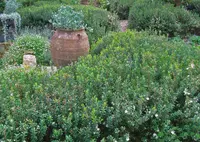
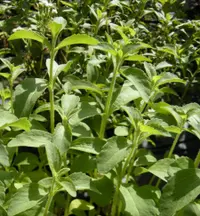
Candyleaf, or Stevia rebaudiana, is a small, herbaceous perennial grown mainly for its intensely sweet leaves. It typically forms a compact, bushy plant with many slender green stems and soft, toothed leaves.

In the wild, it comes from subtropical regions of Paraguay and Brazil, where it grows in bright, open areas with good drainage. It is valued as a natural sweetener and is usually easy to manage in gardens or containers when protected from frost.

Candyleaf prefers bright light, moderate moisture, and loose, well-drained soil. Understanding how to care for candyleaf helps the plant stay leafy and productive over the growing season.

Main Plant Requirements

Care Difficulty

Moderate Care

Light Preference

Full Sun

Water Requirements

Moderate Water

Temperature Preference

Tropical / Frost Sensitive

Hardiness Zone

9–11

Soil Texture

Sandy, Loamy, Organic-rich

Soil pH

Acidic (5.5–6.5), Slightly acidic (6.5–7.0)

Soil Drainage

Well-drained

Fertilization

Light (every 4–6 weeks)

Get Personalized Care Plan

Scan your plant to receive care tips personalized for your specific plant

Available on iOS and Android

How to Care for the candyleaf

Stevia rebaudiana needs bright light to produce sweet, flavorful leaves without scorching.

  • Provide 6–8 hours of sun daily, ideally with full morning sun and light afternoon shade, especially in hot summer regions.
  • Tolerates partial shade (4–5 hours sun), but growth and leaf sweetness may be reduced in dense shade or short days.
  • Protect candyleaf from intense midday sun with shade cloth or dappled light to prevent leaf scorch and drying soil.

This plant prefers consistently moist, well-drained soil rather than extremes of dryness or saturation.

  • Water when the top 2–3 cm of soil feels dry, soaking the root zone thoroughly, then allow excess to drain away.
  • Use a loose, fast-draining soil to reduce root rot risk; standing water or heavy clay soil often leads to yellowing, limp leaves.
  • In hot, windy weather, check moisture more often; in cool seasons, extend intervals and watch for drooping tips as an early thirst sign.

Stevia rebaudiana grows best in warm conditions and is sensitive to cold and frost.

  • Aim for 70–85°F (21–29°C) for strongest growth; plants slow down noticeably below 60°F (16°C).
  • Protect from frost; tissue damage occurs around 32°F (0°C), and roots may die if soil stays near freezing for long.
  • In heat above 90°F (32°C), provide afternoon shade and steady soil moisture to limit stress, leaf drop, and bitter-tasting foliage.

This species tolerates a wide humidity range and usually does not need special humidity management indoors or outdoors.

Stevia rebaudiana prefers loose, fast-draining, moderately fertile soil to support steady leafy growth and prevent root problems.

  • Use a sandy or loamy mix with high organic matter, such as 2 parts all-purpose potting mix, 1 part coarse sand, and 1 part compost.
  • Ensure excess water drains quickly; water should not pool on the surface or leave the soil soggy for more than a few hours.
  • Aim for slightly acidic to neutral pH around 6.0–7.0 to support nutrient uptake and healthy root development.
  • Improve aeration and drainage in heavy or clay soils by incorporating coarse perlite or fine bark chips before planting.

This herb is well suited to container growing for patios, balconies, and small gardens.

  • Choose a pot at least 20–25 cm wide so the shallow but spreading root system has room to support full leafy growth.
  • Use a relatively light container material if moving the plant often, but add a heavy saucer or bricks around the base to prevent tipping in wind.
  • Select pots with multiple side and base drainage holes so excess water exits rapidly and the lower root zone does not remain waterlogged.

Stevia rebaudiana benefits from light, consistent feeding during its active growing season.

  • Use a balanced liquid fertilizer (for example 10-10-10) at 1/4–1/2 strength every 3–4 weeks in spring and summer.
  • Alternatively, apply a thin layer of finished compost or a mild slow-release organic fertilizer at planting time.
  • Skip or greatly reduce feeding in fall and winter when growth slows, especially for candyleaf grown indoors.
  • Always water before applying fertilizer to lessen root burn risk and help nutrients distribute evenly.

Pruning is important for Stevia rebaudiana to keep plants compact and encourage leafy growth.

  • Start light pruning in late spring once plants are well established and frost risk has passed.
  • Pinch or trim soft shoot tips with clean scissors to promote bushy side branching and more leaves.
  • Remove any dead, damaged, or crossing stems to improve airflow and reduce fungal disease risk.
  • Cut stems just above a leaf node, and avoid taking more than 1/3 of the foliage at one time.

Stevia rebaudiana prefers slightly snug containers but declines if roots stay pot-bound for long.

  • Check for roots circling the pot, pushing through drainage holes, or stalled top growth as signs to repot.
  • Plan repotting or garden transplanting for late spring after frost, typically every 1–2 years for container plants.
  • Move up only 1 container size, use a light, well-drained mix, and handle the root ball gently to limit shock.
  • Water thoroughly after transplanting, shade for 2–3 days, and keep soil evenly moist while new roots establish.

New Stevia rebaudiana plants are commonly produced from softwood cuttings or seeds.

  • Take 8–10 cm softwood cuttings in late spring to early summer, removing lower leaves.
  • Place cuttings in moist, sterile mix, keep humidity high, and maintain 70–75°F for reliable rooting.
  • Sow fresh seed on the surface of fine seed mix, keep lightly moist, and provide bright, indirect light.
  • Thin seedlings once true leaves appear, then transplant gently to individual pots to avoid root damage.

Stevia rebaudiana is frost-sensitive and needs protection in regions with freezing winters.

  • In USDA zones below 9, grow in containers and move plants indoors before night temperatures drop below 40°F.
  • Outdoors, cut stems back after the first light frost and mulch the root zone with 5–8 cm of straw or leaves.
  • Place indoor plants in the brightest possible spot, water sparingly, and expect partial leaf drop until spring.

Care Tips

Staggered Harvesting

Pinch or cut only the top 5–10 cm of stems every 1–2 weeks instead of stripping full branches, which encourages bushier regrowth and maintains leaf quality through the season.

Flower Bud Removal

Inspect stems weekly in late summer and remove any forming flower buds so the plant keeps channeling energy into producing sweeter, more tender leaves rather than seeds.

Late-Season Leaf Concentration

For the sweetest harvest, reduce nitrogen-heavy feeding 3–4 weeks before the main cut and allow slightly cooler nights, which tends to concentrate stevioside in the leaves.

Clean Drying Setup

After harvesting, dry leaves on mesh trays or loosely bundled stems in a warm, shaded, well-ventilated area, avoiding direct sun so the leaves keep their flavor and color.

Pest Monitoring Routine

Check leaf undersides and young shoots every 7–10 days for aphids or whiteflies and rinse with a firm stream of water or apply insecticidal soap early, which simplifies caring for candyleaf without resorting to harsh chemicals.

Common Pests and Diseases

Whiteflies

These insects feed on leaf sap, causing yellowing, leaf curling, and sticky honeydew that can lead to sooty mold on Stevia leaves. Heavy infestations reduce plant vigor and sweetness yield.

Solution

Control whiteflies by regularly checking leaf undersides, then using a strong stream of water to dislodge adults and nymphs. If needed, apply insecticidal soap or neem oil thoroughly to both leaf surfaces every 5–7 days until populations drop, and remove heavily infested leaves to limit spread.

Aphids

These pests cluster on young shoots and leaf undersides, sucking sap and causing distorted growth, leaf curl, and sticky honeydew. Symptoms include reduced growth and increased risk of sooty mold on Stevia foliage.

Solution

Manage aphids by rinsing plants with water to knock them off, then treating with insecticidal soap or neem oil, focusing on shoot tips and leaf undersides. Encourage or introduce natural predators such as lady beetles outdoors, and avoid overfertilizing with nitrogen, which promotes soft, aphid-attracting growth.

Leaf spot

This disease produces small brown to dark lesions on Stevia leaves, sometimes with yellow halos, which can merge and kill larger sections of tissue. Symptoms include premature leaf drop and reduced usable leaf material for harvest.

Solution

Remove and discard affected leaves promptly, avoid wetting foliage when watering, and ensure good spacing and airflow around plants. In persistent or humid conditions, apply a labeled copper or biofungicide product as a preventive spray, repeating according to label directions until new growth appears clean.

Powdery mildew

This disease causes white to grayish powdery fungal growth on upper leaf surfaces, often starting on older leaves and shaded areas. Symptoms include leaf yellowing, distortion, and reduced plant vigor, especially in dense plantings.

Solution

Improve air circulation by thinning crowded stems and avoiding overhead watering, and remove the most affected leaves. Apply a sulfur, potassium bicarbonate, or neem-based fungicide at early symptom stages, repeating at intervals on both sides of leaves until new growth remains mildew free.

Root-knot nematodes

These microscopic worms attack roots, forming galls or knots that reduce water and nutrient uptake, leading to stunted growth, pale foliage, and plant decline. Symptoms include poor response to fertilizer and uneven growth in infested beds where growing candyleaf outdoors is common in warm regions.

Solution

For infested garden soil, rotate Stevia with non-host or resistant cover crops, incorporate organic matter to support beneficial organisms, and avoid replanting Stevia in heavily affected spots. In containers, discard infested soil, wash pots thoroughly, and repot with fresh, high-quality mix, using only clean tools and plant material.

Interesting Facts

Extremely sweet leaves

The leaves contain steviol glycosides, compounds that taste intensely sweet to humans while contributing almost no usable calories because they are not fully metabolized for energy.

Native to Paraguay

This species evolved in the Amambay region of Paraguay and adjoining parts of Brazil, where Indigenous Guaraní communities traditionally used its fresh leaves to sweeten herbal infusions like yerba mate.

Heat-stable sweetness

Its steviol glycosides stay stable at typical cooking and baking temperatures, so the extracted sweeteners can be used in hot drinks and cooked foods without losing sweetness.
Botan icon

Did you know?

Modern commercial stevia sweeteners are usually derived from just a few purified steviol glycosides, especially rebaudioside A (Reb A), which are selectively bred and processed from Stevia rebaudiana to reduce bitterness and off-flavors compared to using the whole leaf.

FAQs about candyleaf

Leaves are edible and widely used as a natural, non-caloric sweetener. They can be harvested fresh or dried. Use them in teas, desserts, or as a sugar substitute, but introduce gradually to check individual tolerance.

Grow Healthy Plants with Botan Care

Keep your plants happy and healthy with plant identification, disease detection, and easy care guidance.

Botan plant care app — identify plants on mobile

Explore More Plants