Bee balm Care (Monarda fistulosa)

Also known as: bee balm
Bee balm

About Bee balm

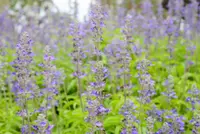
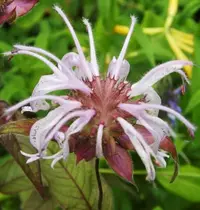
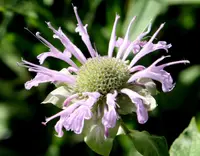
Bee balm, Monarda fistulosa, is a perennial herb in the mint family, valued for its aromatic foliage and showy summer flowers. It typically forms upright clumps with square stems and whorls of tubular, lavender to pink blooms that attract bees, butterflies, and hummingbirds.

This species is native to prairies, meadows, and open woodlands across much of North America. It adapts well to garden conditions, making it relatively straightforward to care for Bee balm.

The plant prefers full sun, moderate moisture, and well-drained, reasonably fertile soil. Its main challenges are susceptibility to powdery mildew and the need for enough light and air flow to stay healthy.

Main Plant Requirements

Care Difficulty

Easy Care

Light Preference

Full Sun

Water Requirements

Moderate Water

Temperature Preference

Cold Hardy

Hardiness Zone

3–9

Soil Texture

Sandy, Loamy, Clay

Soil pH

Acidic (5.5–6.5), Slightly acidic (6.5–7.0)

Soil Drainage

Moist but well-drained

Fertilization

Minimal (feed rarely)

Get Personalized Care Plan

Scan your plant to receive care tips personalized for your specific plant

Available on iOS and Android

How to Care for the Bee balm

Monarda fistulosa grows best in open, sunny garden sites with only light shade.

  • Provide 6–8 hours of direct sun daily; 4–6 hours is acceptable if afternoons are bright but not heavily shaded.
  • Favor morning sun with light afternoon shade in hotter regions to reduce leaf scorch and stress during heat waves.
  • In areas with intense summer sun, use neighboring plants or light dappled shade to protect foliage, but avoid deep shade, which reduces flowering and promotes mildew.

This species prefers evenly moist but never waterlogged soil, especially during its active growing season.

  • Water when the top 3–5 cm of soil feels dry, applying a slow, deep soak rather than frequent light splashes to encourage deeper rooting.
  • Use well-drained soil; yellowing, soft stems indicate overwatering or poor drainage, while drooping, dry leaves signal that the plant has stayed dry too long.
  • Reduce watering frequency in cool or rainy weather, and monitor closely during hot, windy periods when moisture loss increases even in established clumps.

This hardy perennial tolerates a wide temperature range but responds best to moderate summer conditions.

  • Optimal growth occurs around 65–80°F (18–27°C), with vigorous flowering when days are warm and nights slightly cooler.
  • Established plants tolerate winter lows near -30°F (-34°C) in the ground, entering dormancy and resprouting in spring in most temperate climates.
  • During heat above 90°F (32°C), expect some leaf stress; provide mulch to cool roots and adequate moisture, as extreme heat plus drought can reduce flowering.

This species handles typical outdoor humidity levels and only needs attention during prolonged hot, very dry spells.

  • Target 40–60% humidity in hot weather; otherwise it tolerates drier air without issue.
  • Crisp, browning leaf edges and stalled growth in heat can signal humidity stress rather than lack of water in Bee balm.
  • In extended drought and low humidity, group plants close, use mulch around the base, and water early morning to reduce transpirational stress.

Monarda fistulosa grows best in loose, well-drained, moderately fertile ground that stays evenly moist but not wet.

  • Use a loamy or sandy-loam structure with 20–30% compost mixed into garden soil for balanced water retention and aeration.
  • Ensure sharp drainage; on heavy clay, raise the bed and blend in coarse sand or fine gravel plus organic matter to prevent waterlogging.
  • Aim for slightly acidic to neutral pH around 6.0–7.0; if soil is very acidic, incorporate garden lime gradually and retest.
  • Avoid compacted, waterlogged, or pure clay sites, and never let roots sit in standing water, which quickly encourages root and crown rot.

This species can be grown successfully in containers if the pot is chosen and managed to prevent root stress and top dryness.

  • Select a wide, stable container to accommodate spreading rhizomes and reduce the risk of the plant becoming top-heavy and tipping.
  • Choose a thick-walled terracotta or fabric pot if summer heat is intense, as these materials help moderate root temperature and moisture swings.
  • Fill the container with a peat-free, compost-enriched mix cut with 20–30% perlite or grit to maintain fast drainage while still holding enough moisture.

Wild bee balm like Monarda fistulosa needs only modest feeding in average garden soil.

  • Use a light top-dressing of compost or well-rotted manure in early spring to enrich the root zone.
  • In poorer soils, apply a balanced slow-release fertilizer (around 10-10-10) once at spring growth, at label rate.
  • Avoid high-nitrogen lawn fertilizers, which push weak, leafy growth and reduce flowering.
  • Do not feed in late fall or winter, as the plant is dormant and extra nutrients are unnecessary.

Pruning Monarda fistulosa supports dense growth, better flowering, and limits mildew-prone tangles.

  • In late spring, lightly trim taller stems by 1/3 to encourage branching and more flower heads.
  • Deadhead spent blooms through summer using clean hand pruners to extend the flowering period.
  • Cut back dead, damaged, or crossing stems at ground level in late fall or very early spring.
  • Disinfect blades between plants to reduce spread of powdery mildew and other pathogens.

This species is usually grown in beds, so focus on division and transplanting rather than routine repotting.

  • Plan to divide and transplant clumps every 3–4 years, ideally in early spring or early fall.
  • Look for crowded centers, reduced flowering, or stems leaning outward as signs the clump needs renewal.
  • Lift the clump carefully, split into sections with healthy roots, and replant at the same soil depth.
  • Water thoroughly after transplanting and keep soil evenly moist for 1–2 weeks to limit root stress.

Monarda fistulosa is commonly propagated by division, cuttings, and seeds in home gardens.

  • Divide established clumps in early spring or early fall, replanting vigorous outer sections.
  • Take softwood stem cuttings in late spring, root them in moist, sterile mix, and keep humidity high.
  • Sow seeds on the surface of moist seed mix in spring; light aids germination at 65–75°F.
  • Space new plants well to promote airflow and healthier stands when growing Bee balm from divisions or seedlings.

This species is cold hardy in much of North America and needs only basic winter care in the ground.

  • After hard frost, cut stems back to 5–8 cm to tidy beds and reduce disease carryover.
  • Apply a 5–7 cm mulch layer around the crown in colder climates, keeping mulch off stems.
  • Container-grown plants in very cold regions can be moved into an unheated garage or shed to prevent root freeze.

Care Tips

Airflow management

Space plants 45–60 cm apart and avoid dense mixed plantings so foliage dries quickly after rain, which greatly reduces powdery mildew and leaf spot problems when growing Bee balm.

Targeted deadheading

After the first main flush of flowers fades, cut spent stems back to a strong pair of leaves to encourage a lighter second bloom and to prevent self‑seeding from taking over nearby beds.

Root spread control

Every 2–3 years, slice around each clump with a sharp spade and lift and replant only the healthiest outer divisions to keep the patch vigorous and to stop it from creeping aggressively into other plantings.

Pollinator corridor planning

Plant in drifts of at least 5–7 stems and link with other nectar plants that bloom just before and after to create a continuous food corridor for bees, butterflies, and hummingbirds.

Powdery mildew monitoring

From late spring, inspect lower leaves weekly and remove the first leaves showing pale, dusty patches, then dispose of them in the trash rather than compost to slow the spread of powdery mildew through the planting.

Common Pests and Diseases

Powdery mildew

This disease commonly affects bee balm in humid weather, coating leaves and stems with white or gray powdery growth and causing leaf yellowing or distortion.

Solution

Improve air circulation by thinning crowded stems, avoid overhead watering, and water early in the day so foliage dries quickly. Remove and discard heavily infected leaves, and if needed apply a sulfur or potassium bicarbonate fungicide labeled for powdery mildew, following the product directions carefully as part of overall Monarda fistulosa plant care.

Leaf spot

This disease causes tan to brown spots on leaves that may have purple or dark borders, leading to early leaf drop in wet or overcrowded plantings.

Solution

Prune to open the clump for better airflow, space plants adequately, and water at soil level rather than on the foliage. Remove and dispose of affected leaves and old plant debris, and use a copper- or chlorothalonil-based fungicide if spotting is severe and conditions remain wet.

Rust

This disease produces orange, brown, or rusty pustules on the undersides of leaves, which can lead to yellowing and premature leaf drop.

Solution

Remove and discard infected leaves as soon as symptoms appear and cut back and dispose of all top growth at season’s end to reduce overwintering spores. Promote good airflow, avoid overhead watering, and use a labeled fungicide for rust diseases if outbreaks are repeated or severe.

Spider mites

These insects feed on leaf undersides, causing fine stippling, dull or bronzed foliage, and delicate webbing in hot, dry conditions.

Solution

Rinse plants thoroughly with a strong but gentle stream of water, focusing on leaf undersides, and repeat several times over 7–10 days. Increase humidity around the plants, avoid drought stress, and use insecticidal soap or horticultural oil labeled for mites if populations remain high.

Aphids

These insects cluster on new growth and stems, sucking sap and causing curled or distorted leaves and sticky honeydew that can lead to sooty mold.

Solution

Spray infested shoots with a firm jet of water to knock aphids off, and prune out heavily infested tips if practical. Encourage or protect natural predators like lady beetles, and apply insecticidal soap or horticultural oil to thoroughly coat colonies if they persist.

Interesting Facts

Specialist bee magnet

This species supports many specialist native bees in North America, including some that visit almost exclusively for its nectar and pollen, making it an important wild pollinator resource in prairies and open woodlands.

Thymol-rich foliage

Its leaves contain thymol and related aromatic compounds, which give a strong oregano-like scent and contribute to the plant’s natural resistance to some herbivores and microbial pathogens.

Adapted to dry prairies

Unlike several other bee balms that prefer consistently moist soils, this species is naturally adapted to dry, rocky, or sandy prairie habitats and tolerates periodic drought once established.

Botan icon

Did you know?

Indigenous peoples of North America historically used this species as a companion plant and boundary marker in some cultivated areas because its strong scent and dense growth helped visually define plots and made them easier to relocate and manage over the season.

FAQs about Bee balm

This species spreads by short rhizomes and self-seeding, forming broad clumps over time. In good conditions it can become vigorous but is usually manageable with edging, regular division every few years, and prompt removal of unwanted seedlings.

Grow Healthy Plants with Botan Care

Keep your plants happy and healthy with plant identification, disease detection, and easy care guidance.

Botan plant care app — identify plants on mobile

Explore More Plants