Seasonal Cutback
Cut stems down to 5–10 cm above ground in late winter before new shoots appear to maintain a dense, healthy clump and reduce overwintering pests and diseases.

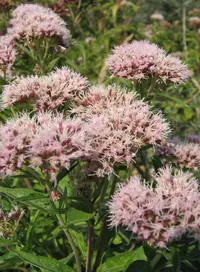
Hemp agrimony, Eupatorium cannabinum, is a hardy, clump-forming perennial from the daisy family. It typically grows upright with reddish stems and domed clusters of soft pink flower heads. In the wild, it is common along riversides, damp meadows, and ditches across much of Europe and parts of western Asia. It attracts many pollinators, especially butterflies and bees, which makes it useful in wildlife-friendly plantings. This species is generally easy to establish in moist, fertile soil and is tolerant of cool conditions. Once settled, it can spread by seed and rhizomes, so basic management is part of how to care for hemp agrimony.

Care Difficulty
Easy Care

Light Preference
Full Sun

Water Requirements
Keep Soil Moist

Temperature Preference
Cold Hardy

Hardiness Zone
3–8

Soil Texture
Loamy, Silty, Organic-rich

Soil pH
Acidic (5.5–6.5), Slightly acidic (6.5–7.0)

Soil Drainage
Moist but well-drained

Fertilization
Minimal (feed rarely)
Scan your plant to receive care tips personalized for your specific plant
Available on iOS and Android
This moisture-loving perennial prefers bright conditions but not harsh, drying sun.
This species prefers consistently moist soil and does not tolerate prolonged drought.
This hardy perennial tolerates a wide range of outdoor temperatures in temperate climates.
This species prefers moderately moist air but generally adapts to typical outdoor humidity levels.
This plant thrives in moist, fertile ground with structure that holds water yet does not stay stagnant.
This species can grow in large containers if the pot is stable and allows for deep, moist root conditions.
This perennial thrives in average soil and usually needs only light feeding in gardens.
Pruning Eupatorium cannabinum helps manage height, encourage fuller growth, and tidy dead stems.
This species is most often grown in the ground, so focus on careful transplanting rather than frequent repotting.
Eupatorium cannabinum is commonly propagated by division, cuttings, or seeds for new clumps.
This hardy perennial tolerates typical outdoor winters in much of the US and usually needs minimal special care.

Plant Health Check
Not sure what's wrong with your plant? Check your plant's health inside the app.
Hemp agrimony is a key nectar source for many European butterflies, including peacock, red admiral, small tortoiseshell, and comma, which often gather in numbers on its late-summer flower heads.
This species naturally favors moist to wet, nutrient-rich soils along rivers, ditches, and marsh edges, where its deep root system helps stabilize banks and tolerate periodic flooding.
The plant contains pyrrolizidine alkaloids, compounds that can be toxic to mammals if ingested in quantity, which is one reason grazing animals usually avoid eating it in the field.

In several European countries, dense stands of hemp agrimony are considered important bioindicator plants for relatively low-pollution, semi-natural wet habitats, because the species tends to decline where waterways are heavily modified or degraded.
This species spreads readily by both seed and rhizomes, forming large clumps over time. In small gardens, remove spent flower heads, divide clumps every few years, and use edging to limit unwanted spread.
Keep your plants happy and healthy with plant identification, disease detection, and easy care guidance.