red monardella Care (Monardella macrantha)

red monardella

About red monardella

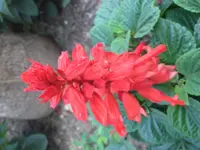
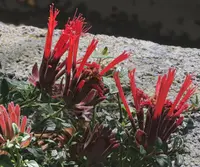
Red monardella (Monardella macrantha) is a low, spreading perennial in the mint family, valued for its bright red, tubular flowers and aromatic foliage. It typically forms a dense mat or small mound, making it useful for edging, rock gardens, and container accents.

This species is native to dry, rocky slopes in California and Baja California, where it thrives in well-drained soil and lean, open sites. Its drought tolerance and modest size usually make it manageable for home gardeners, though it can be short-lived if soil stays wet.

Light, fast-draining soil, and good air circulation support healthy growth and simplify how to care for red monardella in typical garden conditions.

Main Plant Requirements

Care Difficulty

Moderate Care

Light Preference

Full Sun

Water Requirements

Low Water

Temperature Preference

Warm Climate

Hardiness Zone

7–10

Soil Texture

Sandy, Loamy, Rocky

Soil pH

Slightly acidic (6.5–7.0), Neutral (7.0)

Soil Drainage

Well-drained

Fertilization

Minimal (feed rarely)

Get Personalized Care Plan

Scan your plant to receive care tips personalized for your specific plant

Available on iOS and Android

How to Care for the red monardella

This sun-loving California native performs best with strong light and moderate heat exposure.

  • Provide 6–8 hours of direct sun daily; morning sun plus light afternoon shade suits most garden sites and supports abundant red monardella flowering.
  • In hotter regions, protect from intense sun after 2–3 p.m. with high, open shade or neighboring plants to reduce leaf scorch and soil moisture loss.
  • Accepts light or dappled shade for 3–4 hours, but flowering and compact growth decline if grown in less than 4–5 hours of direct sun.

This species prefers slightly dry, fast-draining conditions rather than constant moisture.

  • Water when the top 3–5 cm of soil feel completely dry, then soak the root zone deeply and allow excess water to drain away fully.
  • Use sharply draining soil or a rocky slope; Monardella macrantha is prone to root rot if water pools around the crown for more than a few hours.
  • Reduce watering in cool seasons and watch foliage; dull, wilting leaves signal drought stress, while yellowing or limp stems often indicate overwatering.

This species is adapted to mild, dry-summer climates with cool to warm temperatures.

  • Aim for active growth temperatures of 60–80°F (16–27°C), which support strong root development and flowering without heat stress.
  • Mature plants typically tolerate brief drops to about 15–20°F (-9 to -6°C), but repeated hard freezes and frozen, waterlogged soil increase mortality risk.
  • During hot spells above 90°F (32°C), provide afternoon shade and maintain mulch around roots to buffer soil temperatures and reduce heat stress.

This species handles relatively dry air but grows best with moderately low humidity.

  • Aim for 30–50% humidity, similar to many outdoor sites in its native range.
  • Red monardella tolerates brief drier indoor air if soil moisture is consistent, but avoid hot, stagnant rooms.
  • Crisping leaf edges and stalled growth indicate humidity stress; group pots or use a pebble tray to slightly raise humidity without wetting foliage.

This species prefers sharply drained, mineral-rich soil that never stays waterlogged.

  • Use a sandy or gravelly loam with coarse particles that allow water to pass quickly while roots anchor well.
  • For containers, mix roughly 50% cactus mix with 25% coarse sand or fine gravel and 25% compost for moderate fertility.
  • Keep pH slightly acidic to neutral (6.0–7.2); avoid strongly acidic mixes and heavy peat-only substrates.
  • Improve aeration and drainage by avoiding fine, dense garden soil and by incorporating coarse mineral material rather than extra organic matter alone.

This plant is suitable for container growing when drainage and root conditions are tightly controlled.

  • Choose a wide, relatively shallow pot to accommodate its spreading root system while preventing deep, wet zones at the bottom.
  • Use a rigid, heavier container material if the plant grows on a balcony or windy site to prevent tipping as stems trail or sprawl.
  • Elevate the pot on feet or bricks so drainage holes stay clear and excess water exits quickly after rain or irrigation.

Monardella macrantha grows best in lean, well-drained soil and needs only light feeding.

  • Use a light top-dressing of compost or a low-rate balanced NPK granular fertilizer in early spring as new growth starts.
  • For container plants, apply a diluted balanced liquid fertilizer at 1/4–1/2 strength every 4–6 weeks during the growing season.
  • Avoid high-nitrogen products, which reduce flowering and make stems weak, especially in red monardella.
  • Stop feeding in late summer so growth hardens before winter, and do not fertilize during winter dormancy.

Pruning helps Monardella macrantha stay compact, healthy, and free-flowering.

  • Use clean, sharp hand pruners to remove dead, damaged, or diseased stems whenever noticed.
  • In late winter or very early spring, lightly trim back leggy or crowded shoots to shape the plant and improve air flow.
  • After peak flowering, shear back spent flower stems by about 1/3 to encourage a neater mound and some rebloom.
  • Avoid cutting into very old, woody bases; focus pruning on green, flexible growth.

This species is usually grown in the ground, but container plants and young stock benefit from careful transplanting.

  • Transplant or repot in early spring when new growth appears, choosing a cool, cloudy day to limit stress.
  • Check for roots circling the pot drainage holes or slow growth; these signs indicate the need for a larger container.
  • Shift into a pot only 2–5 cm wider, using a sharply drained, sandy mix and keeping the crown at the same soil level.
  • Water thoroughly after planting, then keep soil lightly moist for 1–2 weeks while roots re-establish, avoiding waterlogging.

Monardella macrantha is commonly propagated by seed, softwood cuttings, or division of mature clumps.

  • Sow fresh seed in late winter–early spring in a gritty seed mix, barely covering, and keep at 60–70°F with even moisture.
  • Take soft, non-flowering stem cuttings in late spring, use rooting hormone, and place in a humid, bright, indirect-light environment.
  • Divide older clumps in early spring, retaining healthy roots and shoots, and replant divisions promptly in well-drained soil.
  • Label different seed lots or clones to track vigor, flowering quality, and adaptation to your site.

This plant is moderately cold hardy but benefits from simple winter care in colder regions.

  • In climates colder than about USDA zone 7, consider growing in containers that can be moved to a sheltered, frost-free spot.
  • Apply a light, 2–5 cm layer of dry mulch around, but not on top of, the crown to insulate roots while preserving drainage.
  • Avoid winter waterlogging; ensure soil and pots drain freely so roots do not remain saturated in cold conditions.

Care Tips

Encourage Prostrate Habit

Pinch back the soft tips of young shoots in early spring to encourage a low, spreading form that cascades over rocks or walls and produces more flowering stems.

Use Gritty Mulch

Top-dress around the crowns with a thin layer of coarse gravel or small lava rock instead of organic mulch to keep stems dry at the base and reduce crown rot in wet periods.

Protect Winter Crowns

In regions with wet, cool winters, plant on a slight mound or raised bed and keep nearby soil free-draining so the woody crown does not sit in waterlogged conditions.

Support Pollinator Visits

Avoid using systemic insecticides nearby and cluster several plants together so hummingbirds and native bees visit more frequently, which also helps monitor plant health regularly.

Rejuvenate By Division

Every 3–4 years, divide older clumps in late winter by lifting, cutting away dead center wood, and replanting only the vigorous outer sections to maintain compact growth when caring for red monardella.

Common Pests and Diseases

Spider mites

This pest thrives on Monardella foliage in hot, dry conditions and feeds by sucking plant sap, leading to stippled, dull leaves and fine webbing between stems and leaves.

Solution

Rinse foliage thoroughly with a strong but gentle stream of water every few days, then increase humidity around the plant and improve air movement; if needed, apply insecticidal soap or a horticultural oil labeled for mites, making sure to coat the undersides of leaves.

Aphids

These insects cluster on tender stems and flower buds, extracting sap and excreting sticky honeydew that can attract sooty mold and reduce flowering.

Solution

Pinch or rinse off colonies with water, then treat remaining insects with insecticidal soap or neem oil, repeating every 5–7 days until populations decline, and discourage ant activity that protects aphids by managing nearby ant nests.

Leafhoppers

This pest feeds on leaves and stems, causing pale speckling, leaf curling, and sometimes transmitting leafhopper-borne pathogens that weaken the plant over time.

Solution

Reduce nearby tall weeds that shelter leafhoppers, then use a firm water spray to dislodge adults and nymphs; if damage is persistent, apply a low-impact contact product such as pyrethrin or insecticidal soap in the evening when beneficial insects are less active.

Powdery mildew

This disease appears as white, powdery patches on leaves, especially in crowded plantings with warm days and cool nights, and can lead to yellowing and leaf drop.

Solution

Improve airflow by thinning nearby growth, avoid overhead watering late in the day, remove heavily infected leaves, and if needed use a sulfur or potassium bicarbonate fungicide labeled for powdery mildew, applied according to label directions.

Botrytis blight

Symptoms include brown, water-soaked spots on leaves and flower clusters that develop gray, fuzzy mold in cool, moist conditions, particularly when foliage stays wet for long periods.

Solution

Promptly remove and dispose of affected stems and blooms, keep foliage dry by watering at soil level, increase sun exposure and spacing if possible, and in persistent cases use a fungicide labeled for Botrytis on ornamentals, focusing on flowers and dense interior growth while following all label precautions for Monardella macrantha care.

Interesting Facts

Hummingbird specialist

This species produces long, tubular red flowers that match the bill shape and color preferences of hummingbirds, which are its primary pollinators in its native California mountain habitats.

Cliff and ledge native

In the wild it often grows on rocky slopes, cliffs, and ledges in chaparral and open coniferous woodland, where sharp drainage and cool night air limit root diseases and competition from larger plants.

Summer-blooming mint relative

Although in the mint family (Lamiaceae), it behaves more like a compact, mounding wildflower, producing a concentrated flush of bright blooms in late spring to summer rather than flowering continuously all year.

Botan icon

Did you know?

This species is considered highly valuable in restoration and native plant gardens in California because its nectar-rich flowers reliably support migrating and resident hummingbirds during dry, low-flower periods in late spring and early summer.

FAQs about red monardella

This species is a short-lived perennial, often persisting 3–5 years in suitable conditions. It behaves as a warm-season subshrub, with woody lower stems and herbaceous new growth that may be cut back lightly to maintain vigor.

Grow Healthy Plants with Botan Care

Keep your plants happy and healthy with plant identification, disease detection, and easy care guidance.

Botan plant care app — identify plants on mobile

Explore More Plants