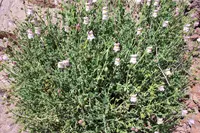
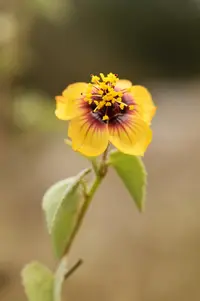
tobacco Care (Nicotiana tomentosa)

Also known as: woolly ornamental tobacco
tobacco

About tobacco

Nicotiana tomentosa is a species of wild tobacco, usually grown as an ornamental or botanical curiosity rather than a common garden bedding plant. It tends to form upright stems with soft, often hairy leaves and tubular flowers that attract pollinators.

This species is native to parts of South America, where it grows in mild, relatively moist climates. It is generally considered moderate in difficulty, as it resents cold, requires consistent moisture without waterlogging, and benefits from fertile, well-drained soil.

Gardeners who want to learn how to care for tobacco like Nicotiana tomentosa should pay attention to shelter from strong wind and provide a bright, open position with good air flow.

Main Plant Requirements

Care Difficulty

Moderate Care

Light Preference

Partial Sun

Water Requirements

Moderate Water

Temperature Preference

Warm Climate

Hardiness Zone

Unknown

Soil Texture

Loamy, Sandy, Organic-rich

Soil pH

Acidic (5.5–6.5), Slightly acidic (6.5–7.0)

Soil Drainage

Well-drained

Fertilization

Light (every 4–6 weeks)

Get Personalized Care Plan

Scan your plant to receive care tips personalized for your specific plant

Available on iOS and Android

How to Care for the tobacco

Nicotiana tomentosa grows best with bright conditions that avoid harsh, drying extremes.

  • Provide 4–6 hours of direct morning sun with light or dappled shade in the afternoon, especially in hot summers.
  • Tolerates partial shade (2–4 hours direct sun) but flowering and growth decline in very shady spots; stems may stretch and flop.
  • In regions with intense sun, protect leaves from strong midday exposure to reduce scorch and wilting, especially during dry, hot periods.

Nicotiana tomentosa prefers evenly moist, well-drained soil rather than extremes of drought or saturation.

  • Water when the top 3–5 cm of soil feels dry, applying enough water to moisten the root zone without leaving the area soggy.
  • Increase watering frequency during hot, windy spells; reduce in cool or rainy periods to prevent root rot in heavier soils.
  • Wilting in dry soil, dull leaves, and slow growth suggest underwatering; yellowing lower leaves and mushy stems point to overwatering.

This species prefers mild, frost-free conditions and reacts poorly to temperature extremes.

  • Aim for 65–80°F (18–27°C) for active growth, with steady warmth promoting stronger stems and better flowering.
  • Plants are damaged near 32°F (0°C) and can be killed by frost; protect or replace after freezing nights in cool climates.
  • In heat above 90°F (32°C), provide afternoon shade and consistent soil moisture to limit stress, leaf scorch, and reduced blooming.

This species grows best in moderate air moisture and dislikes very dry indoor air.

  • Aim for 40–60% humidity, which is typical of many homes, and avoid prolonged exposure below 30%.
  • Leaves curling inward, browning edges, or sticky aphid outbreaks can signal humidity stress combined with dryness.
  • Group plants, place trays with water and pebbles nearby, or run a small humidifier around tobacco during very dry heating seasons.

This plant prefers a loose, well-structured, consistently moist but freely draining substrate.

  • Use a loamy mix with 40–50% compost, 30–40% standard potting soil, and 10–20% perlite or coarse sand to boost drainage and aeration.
  • Target a slightly acidic to neutral pH around 6.0–7.0, which supports balanced nutrient uptake for Nicotiana tomentosa.
  • Incorporate fine bark or coco coir to keep the root zone airy while retaining enough moisture between waterings.
  • Avoid heavy clay, compacted ground, or mixes high in unamended peat that hold water and create anaerobic, low-oxygen conditions.

This species is suitable for container growing when given enough root room and stable support.

  • Choose a deep, heavy pot that resists tipping, as tall stems and foliage can make the plant top-heavy in wind.
  • Select a container 30–40 cm wide so roots can spread laterally, which helps maintain moisture balance in summer heat.
  • Use a grit or stone layer only above the drainage holes, not as a full bottom layer, to prevent blockage while preserving true soil depth.

This tobacco species responds well to moderate feeding in nutrient-poor soils but does not need heavy fertilization in rich ground.

  • Use a balanced, water-soluble fertilizer (around 10-10-10 or 20-20-20) diluted to 1/2 strength for container or poor-soil plants.
  • Feed every 3–4 weeks during active growth in spring and summer, after watering the soil first.
  • Incorporate light compost or a low-dose slow-release fertilizer at planting for longer, steadier nutrient supply.
  • Stop or greatly reduce feeding in fall and winter when growth slows to avoid weak, lush tissue.

Nicotiana tomentosa benefits from light, targeted pruning to maintain shape and flowering performance.

  • Best timing is late winter or very early spring, before strong new growth begins.
  • Remove dead, diseased, or storm-damaged stems with clean, sharp hand pruners to limit infection risk.
  • Thin out congested interior shoots to improve air flow, reduce mildew, and encourage sturdier framework growth.
  • Deadhead spent flower clusters during the season to tidy the plant and channel energy into new shoots and blooms.

This species is usually grown in the ground, so focus on careful transplanting of young plants rather than frequent repotting.

  • Transplant seedlings or young plants in spring after frost risk passes, when soil is workable and warming.
  • Look for roots circling small nursery pots or plants stalling in growth as a sign they are ready for a larger space.
  • Shift into a container 1–2 in wider or into open ground with loose, well-drained soil, handling the root ball gently.
  • Water thoroughly after transplanting, provide light shade and shelter from strong wind for 3–5 days to reduce transplant shock.

New plants are most commonly raised from seed, which makes large-scale Nicotiana tomentosa plant care more practical.

  • Sow fresh seeds in late winter to early spring under cover, using a fine, sterile seed-starting mix.
  • Press seeds lightly onto the surface; they need light for germination, so do not bury them deeply.
  • Maintain 68–75°F, even moisture, and good air circulation; seedlings usually appear in 10–21 days.
  • Harden off young plants gradually outdoors before planting into their final position after the last frost.

This plant is frost-sensitive and needs protection in regions with cold winters, especially when grown outside its hardiness range.

  • In mild climates, apply a 5–8 cm mulch layer around the root zone in late fall to buffer soil temperature.
  • Where hard frost occurs, treat plants as tender: lift or grow in containers that can be moved indoors.
  • Overwinter containers in a bright, cool, frost-free space and reduce watering so the soil stays just slightly moist.

Care Tips

Sturdy wind support

Install low, wide plant supports or soft ties early in the season so the tall, leafy stems are braced against wind without rubbing or snapping at the base.

Targeted pest scouting

Check leaf undersides and flower clusters twice weekly for aphids, whiteflies, and caterpillars, and remove hotspots immediately by hand or with a directed spray of water before populations build.

Flower deadheading routine

Cut off spent flower clusters down to a strong side shoot to prevent seed overproduction and to keep the plant channeling energy into fresh flowering growth.

Root-zone mulching

Apply a 3–5 cm layer of fine organic mulch around, but not touching, the stems to keep the shallow roots cool, reduce soil splash that spreads disease, and minimize weedy competition.

Clean-culture hygiene

Dispose of fallen leaves and pruned material in the trash rather than compost if they show spots or damage, since clean removal is a key part of caring for tobacco relatives that are prone to foliar disease.

Everything About tobacco

Common Pests and Diseases

Aphids

These insects cluster on young shoots and flower stalks, sucking sap and causing curling, distortion, and sticky honeydew on leaves. This pest is especially attracted to the soft, fast-growing tissue of Nicotiana species.

Solution

Spray plants with a firm stream of water to dislodge colonies, then use insecticidal soap or a neem oil spray on leaf undersides and growing tips every 5–7 days until populations crash. Remove heavily infested shoot tips and avoid excess nitrogen fertilization, which encourages soft, aphid-prone growth.

Tobacco hornworm

This pest is a large green caterpillar that rapidly defoliates plants, leaving bare stems and ragged leaf edges while dropping dark pellets of frass. Damage can develop suddenly once larvae reach full size.

Solution

Handpick and destroy caterpillars daily, checking leaf undersides and near the main stem. Encourage natural enemies by avoiding broad-spectrum insecticides, and if caterpillars are numerous, apply a Bacillus thuringiensis (Bt) product in the evening to young foliage according to label directions.

Powdery mildew

This disease produces white, powdery patches on leaf surfaces that can coalesce, leading to yellowing and reduced vigor. Symptoms include heavier infection in crowded, shaded, or late-season plantings.

Solution

Improve air circulation by thinning nearby plants and avoid overhead watering, especially in the evening. Remove and discard heavily infected leaves, and if conditions stay favorable for disease, apply a labeled sulfur or potassium bicarbonate fungicide at the first sign of new spots.

Tobacco mosaic virus

This disease causes mottled light and dark green patterns, leaf distortion, and sometimes stunted growth, especially visible on older leaves. Symptoms include persistent mosaic patterns that do not clear over time.

Solution

Remove and destroy infected plants promptly, as there is no cure and the virus is easily spread on hands and tools. Disinfect tools with a 10% bleach solution, avoid handling plants after touching tobacco products, and use clean seed or transplants to prevent new introductions.

Flea beetles

These insects create many tiny round holes in leaves, giving foliage a shot-hole or lace-like appearance, and can severely stunt young plants. This pest often jumps quickly when disturbed, making it more noticeable as small, dark, active beetles on leaves and soil.

Solution

Use floating row covers to protect young plants until foliage is tougher, and reduce nearby weeds that shelter beetles. On established plants, apply a fine layer of kaolin clay or use yellow sticky traps near the canopy, and consider targeted spinosad treatments if damage remains severe despite cultural controls.

Interesting Facts

Rare Andean endemic

This species is native to a restricted range in the central Andes of Peru, where it grows in montane habitats rather than the lowland or subtropical sites typical of many cultivated tobacco relatives.

Dense leaf tomentum

Its leaves are covered with a thick, felt-like layer of hairs (tomentum), which helps reduce water loss, buffers temperature on the leaf surface, and may offer some protection from herbivores and intense mountain sunlight.

Large tubular flowers

The plant produces relatively large, tubular flowers in loose clusters, adapted for pollination by long-tongued visitors such as certain moths or hummingbirds in its native highland environment.

FAQs about tobacco

This species performs best outdoors where it receives stronger light, better air movement, and more root space. Tobacco indoor care is possible short term under bright artificial light, but plants usually stay smaller and more prone to pests and stress.

Grow Healthy Plants with Botan Care

Keep your plants happy and healthy with plant identification, disease detection, and easy care guidance.

Botan plant care app — identify plants on mobile

Explore More Plants